
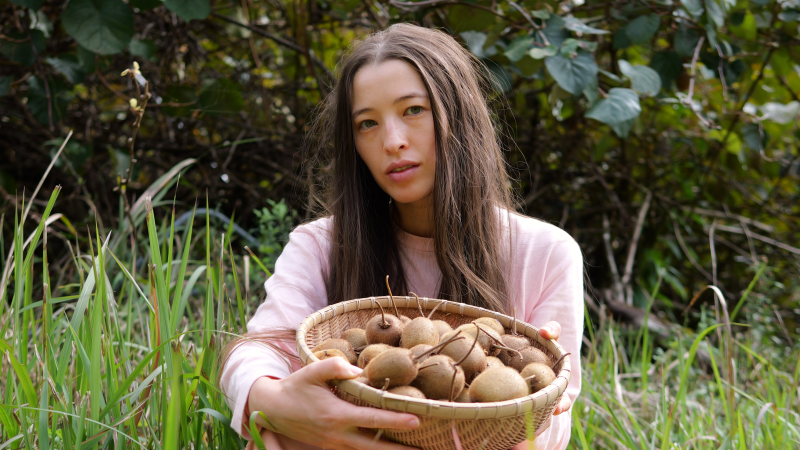
In Japan, one group of vegetables appeals to the elderly, chefs, survivalists, tourists and local Gen Zers seeking a healthier life: sansai. Also known as “mountain vegetables,” sansai are wild edible plants foraged in the archipelago’s mountains and forests, usually in spring.
“Sansai represents the new growth after a long winter,” British Japanese forager and documentary filmmaker Emily Conran told CNN. “There are over 280 varieties, ranging from butterbur flower buds, fuki no tō, to bracken fern warabi and ostrich fern fiddleheads kogomi. They’re typically slightly bitter, very fresh, very cherished.”
Conran, a longtime forager, has lived in a village in rural Nara since 2024, after deciding to leave the UK to reconnect with her Japanese roots — and with the vegetables that fed her ancestors.
“Japan’s history with foraging can be traced back to prehistoric times with the Jōmon people (a sedentary hunter-gatherer culture that inhabited the Japanese archipelago from 14,000 BCE to 300 BCE) and survived through the centuries to this day,” she said. “Because Japan is prone to natural disasters and violent weather changes, yields (from farming) can vary drastically from one year to another. Foraging sansai has always provided a stable source of sustenance. But, it also made these vegetables a reminder of difficult times.”
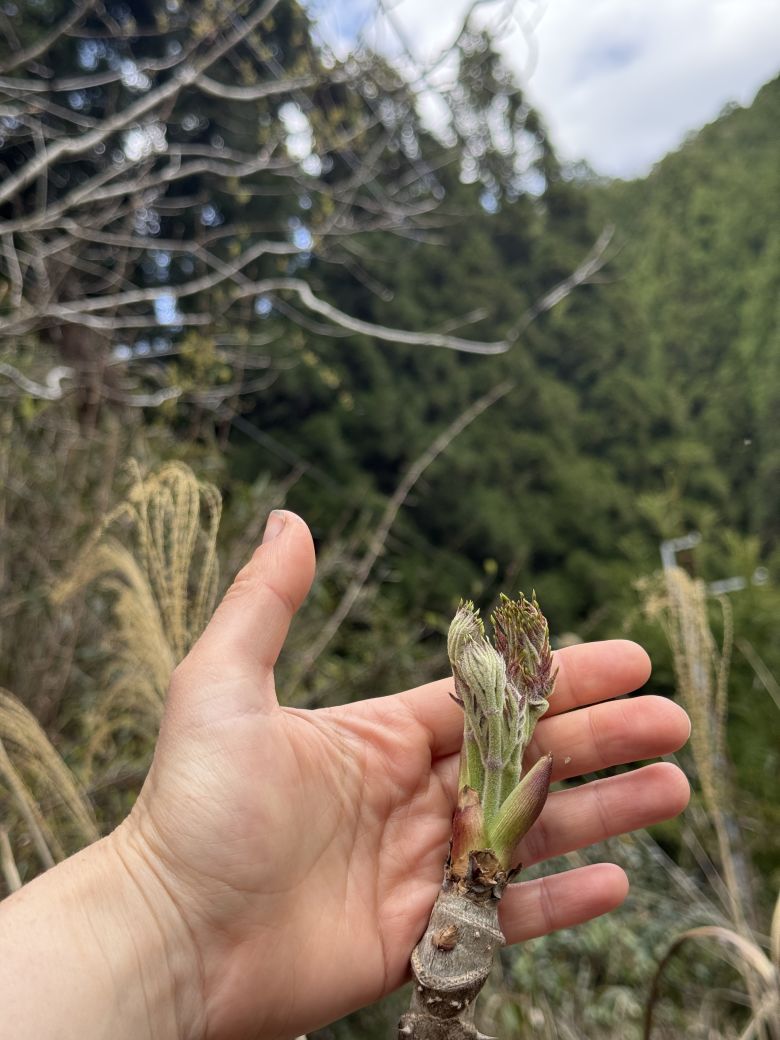

That bittersweet history, combined with the rural exodus the country has faced since World War II, has left sansai in an ambivalent place in the Japanese heart — interest in the plants waned over the years. But led by people like Conran, a new wave of sansai enthusiasts is emerging.
With a rising focus on organic diets, gut health and clean eating, sansai has recently drawn more attention.
Sansai have long been regarded as health-giving, explains Conran. “Sansai are believed to cleanse the system after a long winter of eating stew and hot pots,” she said. Because the plants grow slowly in harsh mountain environments, they naturally produce more alkaloids than cultivated vegetables — metabolites that protect them from insects and herbivores — which were historically thought to have anti-inflammatory properties when cooked properly.
Sansai encompasses a wide variety of wild plants, offering a range of flavors, nutritional qualities and potential health benefits.
For example, compounds found in Japanese butterbur plant Fuki have shown neuroprotective and anti-inflammatory properties. Kogomi, the fiddleheads of the ostrich fern, is rich in compounds thought to be effective against gastrointestinal, hepatic and inflammatory conditions. Udo, Japanese spikenard, has been associated with glucose regulation and metabolic support, and antioxidant and anti-inflammatory compounds. However, there’s little research on whether health benefits can be derived from eating the plants themselves.

Wild edible plants more generally have been shown to contain higher concentrations of vitamins, minerals and protective phytonutrients than cultivated vegetables, making them an increasingly sought-after alternative. Because of their variety and seasonality, they feature in many diets that have been linked to good health — the Mediterranean diet among them. A diet rich in seasonal wild plants may be linked to the longevity and metabolic health of the Japanese population. Average life expectancy in Japan is 85.38 years overall, the second highest in the world.
“Anecdotally, my village is populated by people 75 and older,” Conran said. “They have eaten sansai their whole lives and continue to do so today, and they’re extraordinarily energetic. My 94-year-old neighbor still rides her motorbike to pick up warabi and regularly takes me on hikes to go foraging in the mountains.”
Sansai are usually boiled, or fried as tempura, but they are also regularly fermented so they can be eaten year-round. Research suggests fermenting vegetables can add probiotic support and enhanced nutrient absorption.
Chef Yuuki Tanaka remembers fondly foraging sansai as a child. “My grandmother and I would bring fuki no tō home, where my father prepared them as tempura,” he said. “I can still vividly remember their distinctive aroma, gentle bitterness, and wonderful flavor.” Eager to connect Tokyoites with the health benefits of Japan’s wild plants, he opened the traditional restaurant Ise Sueyoshi in Japan’s capital in 2015.
In spring, he serves sansai in his kaiseki menu, one of Japan’s highest forms of cuisine. His “health-conscious” approach earned the 10-seat restaurant the TripAdvisor’s Best Restaurant in Japan award and second in the world in 2023.
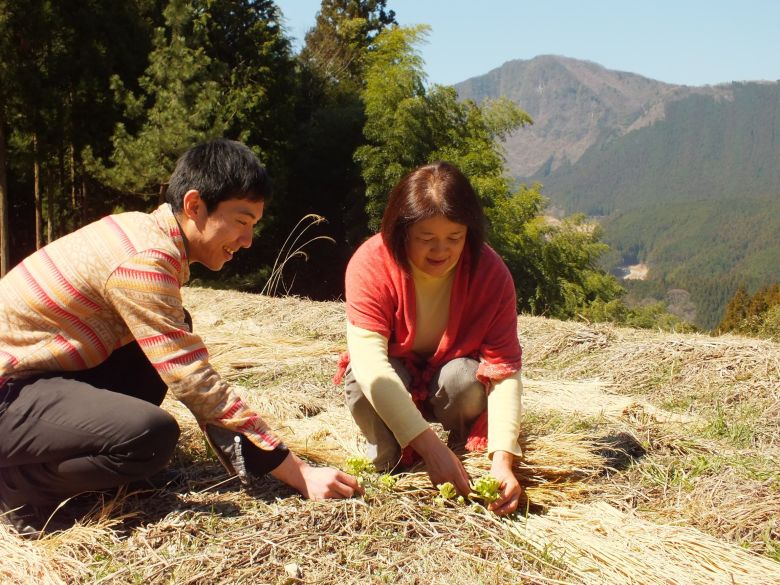

“In traditional Japanese food culture, winter root vegetables are associated with ‘warming’ the body, summer vegetables are associated with ‘cooling’ it down, and sansai are the ingredients helping this transition,” he said. “I believe [eating them] contributes to a richer and more fulfilling relationship with food, both physically and mentally.”
Tanaka feeds his guests with fresh seasonal ingredients, but also knowledge. “Particularly for international guests, sansai are unlike anything else they’ve eaten before,” he added, explaining he published a book introducing his trusted foragers and the vegetables they collect, which guests get to read while eating. “Sansai reflect the landscapes, climate, and seasons of the places they come from, and by doing so, offer a wonderful opportunity to connect to Japan’s natural environment.”

Healthy for body and soul
Sansai may contribute to physical health, but another, less expected facet of the wild vegetables is their indirect impact on foragers’ mental health. “Foraging sansai might be a solitary activity, but it’s shared communally,” Conran said. “The elderly of my village have built a support system through sharing their harvest, cooking it and gifting it to each other. It keeps them sharp.”
Conran has become part of this community but has also built another one through her social media following, where she documents foraging throughout Japan’s 72 micro seasons. She also leads foraging and cooking workshops in English and Japanese, teaching others to respect nature’s rhythm. And she said she’s never felt better.
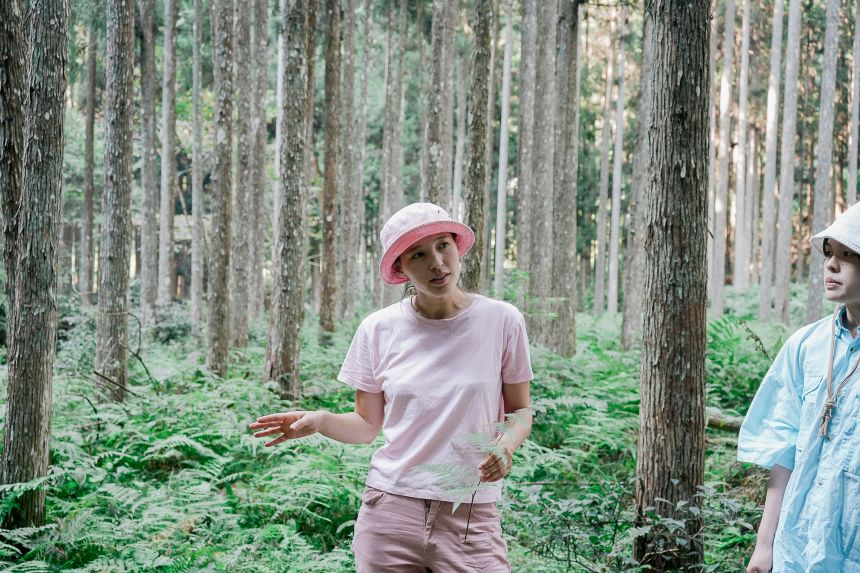
In the UK, she worked as a journalist, where her job was to “document people on their worst day,” but she found stillness and peace in her new lifestyle. “Since I’ve started foraging and observing Japan’s 72 micro seasons, my days are filled with wonders,” she said. “It has allowed me to disconnect from the global system and just focus on my surroundings. It has healed me in a lot of ways.”
Noe and Kenji Sekiya have noticed a similar trend among their customers. The couple started their outdoor tour company, Daijiya, in Nagawa three years ago. Their offerings, in English and Japanese, follow the seasons: in spring, sansai foraging tours; in autumn, mushroom foraging tours. Both include a short safety and identification lesson, two hours of foraging in the forest, and a meal featuring the cooked sansai or mushrooms, at around $63 per person.
Kenji Sekiya has been particularly surprised by the growing number of Gen Zers joining their tours.
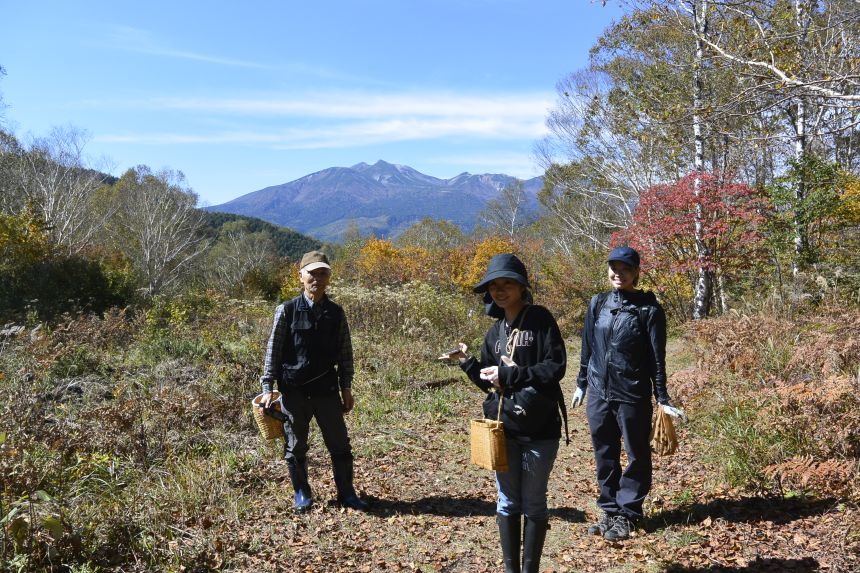
“Some of our guests are high school and university students who pay for these experiences with their own money,” he said. “They ask questions about the meaning of life, about the direction they should take. In today’s world, where AI and digital technology are developing rapidly, perhaps Gen Zers want to experience something real. I feel that they are not simply coming to experience nature, but are also searching for something meaningful, and that foraging helps them reconnect with themselves.”
Following years of Covid-19 pandemic-induced isolation, Gen Z is actively seeking ways to connect with the natural world, whether through hiking, birdwatching or even livestreams.
Conran has observed a similar trend in the workshops she’s been giving: “I’ve had university students from across Asia who couldn’t recognize very basic plants, like tea leaves,” she said. “Looking back at Homo sapiens’ history, our urban life and disconnection from nature is very new, and it’s good to see more people taking steps, like learning about foraging sansai, to remediate it.”
AloJapan.com