
WAZUKA, Kyoto — Masae Shinjo, 49, still vividly remembers the aroma of tea leaves as her grandfather processed them.
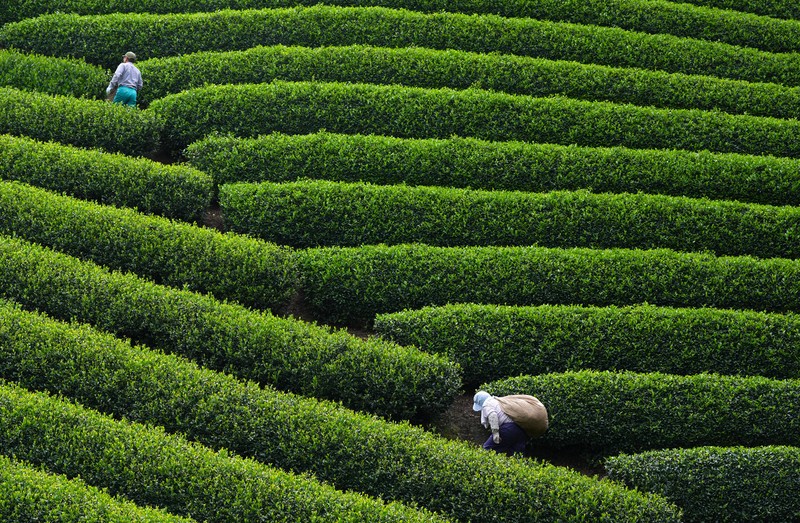
Wazuka, a town in Kyoto Prefecture known for its scenic tea fields, is one of Japan’s main production areas for Uji tea and is often dubbed a “tea paradise.” It was here that Shinjo launched a matcha tourism business aimed at international visitors. Her goal is to put tea farmers in the spotlight and help preserve the region’s tea culture for generations to come.

Tourists from Croatia explore Wazuka, Kyoto Prefecture, by bicycle on Oct. 6, 2026. They learned about the town online as the “capital of matcha.” (Mainichi/Ririko Maeda)
Matcha has become a global sensation in recent years, particularly in Europe and the United States. Demand for it as an ingredient in beverages and confectionery is also growing. In 2025, exports of green tea, including matcha, reached 72.1 billion yen (about $451 million), nearly double that of the previous year. Yet the number of tea farmers across Japan continues to decline amid an aging workforce and a lack of successors. The country had more than 50,000 tea-farming households in 2000, but the figure dropped to fewer than 20,000 by 2023.
Originally from Ikoma, Nara Prefecture, Shinjo attended high school in Britain and university in the United States. After graduating, she joined a foreign financial firm. A tea lover who had sampled tea in countries around the world, she believed Japanese tea had the potential to win over consumers worldwide.

Matcha prepared by Masae Shinjo during a tea ceremony as part of the tour is seen in Wazuka, Kyoto Prefecture, July 22, 2026. (Mainichi/Ririko Maeda)
The COVID-19 pandemic led her to travel more around Japan. During one such trip, she visited a tea plantation run by her uncle. Her grandfather had already passed away, but tasting tea from Wazuka again after so many years stirred deep emotions. “This is the tea I grew up with,” she recalls thinking.
She was also struck by the number of international tourists visiting Wazuka. Fluent in eight languages, she asked some of them what had brought them to the town. “We came to visit the home of the matcha we love,” they told her. Having grown tired of conventional tourist destinations, they were seeking a more authentic, off-the-beaten-path experience in Japan.

Tourists from the United States are served matcha and “hojicha” tea by a local tea farmer in Wazuka, Kyoto Prefecture, July 22, 2026. (Mainichi/Ririko Maeda)
Conversations with friends overseas revealed a similar desire to connect with ordinary Japanese people in the country. At the same time, her uncle and other tea farmers shared their concerns about the challenges facing the industry. Shinjo saw an opportunity to help sustain the traditional tea business by bringing farmers and international visitors together.
In 2023, she founded a tour company with the aim of creating a business that would generate income for local farmers and benefit the local community. But when she launched her matcha tourism program in fiscal 2024, bookings totaled just a few dozen, far below her expectations.
Determined to turn things around, Shinjo revamped the wording of her promotional materials by researching the search terms commonly used by overseas travelers and drawing on a variety of travel resources. Her efforts paid off: bookings quadrupled in 2025 and have continued to rise this year.

Masae Shinjo, left, explains the tea leaves to a tour participant from the United States, in Wazuka, Kyoto Prefecture, July 22, 2026. (Mainichi/Ririko Maeda)
Tour participants sample matcha, explore tea plantations, learn the etiquette of traditional tea ceremonies and chat with local farmers. Many praise the experience for giving them an authentic taste of Japanese tea culture. The farmers, too, are delighted to see their work attracting attention. Shinjo hopes to build on what she has learned in Wazuka and apply her approach to regional revitalization efforts elsewhere in Japan.
As this reporter walked through the tea fields with Shinjo, a gentle breeze rustled the leaves, as if carrying fresh ideas for the future.
(Japanese original and video by Ririko Maeda, Osaka Photo and Video Department)
AloJapan.com