


Epifanio “Epi” Jiménez
I wanted a slightly different column for this month, since I recently did a long awaited trip to Japan. During my time there I noticed a lot of subtle differences from how we use technology here in the USA and wanted to share that experience.
From the moment you land, to the day-to-day interactions walking the city, to the needs that come up on a long stay, technology showed up in subtle ways. Let me explain a bit more about the tech used in Japan.
It all starts with the flight, an abnormally long one at over 12 hours, but once you get there, transportation within the city and the country is worlds ahead of what we expected. We came prepared with a pre-loaded transportation card, called Suica, in our digital wallet and funded through a credit card using the common Apple Pay.
Most trains and buses within a city will accept this Suica card for payment, and it’s a breeze. Just tap the phone on the reader and continue walking; no need to even unlock the phone since the payment is a small amount (around $2-$5). Suica is not the only option; there are many other transportation cards (called IC cards in Japan), and they are also accepted in many establishments and even the multiple vending machines you will encounter throughout the country.
Epifanio “Epi” Jiménez
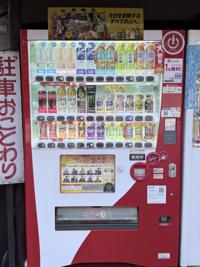
That leads me to the vending machines. They’re everywhere in Japan. Even in a remote town, with very few people, you will encounter random vending machines to the side of a house or a building. All of them will accept coins, but most of them will have a ‘tap-to-pay’ terminal that will accept credit cards and the transportation cards as payment. No hunting for a crisp dollar bill that the machine will actually accept.
The vending machines are stocked with many things, like cold drinks, hot drinks like coffee or tea, and some even have food. The food is not the typical snacks found in vending machines here in the USA; actually, I rarely saw one with chips or candy. The ones I got to experience had ramen packs or cold prepared sandwiches. While they are easy to find and you can get a lot from the vending machines, for the things you can’t find in those there are the convenience stores.
The big three convenience stores in Japan include 7-Eleven, FamilyMart and Lawson. They are mostly the same inside: cold fridges, frozen aisle, chips, candies, magazines, and ready-to-eat microwavable meals. These are as common as gas stations in Texas; you may be able to find all three of them in the same block while walking.
I was surprised by the fact that they even offer government services at them, like printing out official forms and documents through their in-store printers. Another service they offer is to print the front page of The Japan Times from any day all the way back up to 1897.
Now that I’m back at home, what impressed me the most wasn’t a single flashy gadget, but how well everything worked together. One tap of the same transportation card paid for the train, the bus, a coffee, and a late-night snack, and the same store even printed me a piece of history.

Epifanio “Epi” Jiménez
Texas may be built around the car, but the lesson travels well: the best technology just fades into the background and you don’t even notice it helping you day-to-day. If you are planning a trip abroad, set up your digital wallet before you go, and bring a good battery backup.
And if Japan is on your list, leave some room in your suitcase, because you will find the quirky electronics shops hard to resist.
Epifanio “Epi” Jiménez is a software engineer with over a decade of experience turning complex technology into practical, everyday solutions. Originally from Puerto Rico, Epi has built a career on making life simpler through automation and staying ahead of emerging technologies. Now, he’s bringing that same drive to the written word, sharing his insights and passion for tech through opinion columns to help even more people navigate the digital world.
AloJapan.com