

As Art Week Tokyo 2026 prepares to take over the Japanese capital, the city’s art scene comes alive across museums, galleries, and cultural institutions. Yet Tokyo rewards those who venture beyond the art circuit, where wandering between neighborhoods and discovering unexpected corners can be just as memorable as the destinations themselves.
For a little guidance, Whitewall turns to Fabien Vallérian, International Director of Arts & Culture at Ruinart, the world’s oldest established Champagne house, with a longstanding relationship with the arts. From contemporary galleries and architectural landmarks to exceptional tea houses, cocktails with skyline views, and quiet strolls through Japanese gardens, Vallérian shares his favorite Tokyo addresses for experiencing the city outside the art fairs.
Restaurants, Cafés & Food
Yakumo Saryō —Yakumo

Courtesy of Yakumo Saryō.
Escape the chaos of Tokyo at Yakumo Saryō, where tradition meets innovation in a serene retreat designed to soothe all five senses for an intimate dining experience.
SABOE Tokyo — Azabudai Hills

Courtesy of SABOE Tokyo.
At SABOE Tokyo, traditional Japanese tea culture takes on a contemporary expression through curated tastings, counter-side tea courses, and seasonal workshops. Far from a conventional tea ceremony, the experience celebrates the art of tea through thoughtful details and considered presentation.
Blue Bottle Coffee — Kiyosumi-Shirakawa

Courtesy of Blue Bottle Coffee.
Blue Bottle’s first Japanese outpost occupies a converted warehouse, bringing the brand’s story full circle. Inspired by Japan’s traditional kissaten coffeehouses, its founder reimagined their ritual-driven coffee culture through a modern lens.
Bars & Nightlife
New York Bar — Park Hyatt Tokyo

Courtesy of New York Bar.
With sweeping views of Tokyo’s skyline, New York Bar pairs cocktails, dining, and live jazz with striking murals by Valerio Adami. Behind the bar is one of the city’s most extensive whiskey and bourbon collections.
VENT — Omotesando
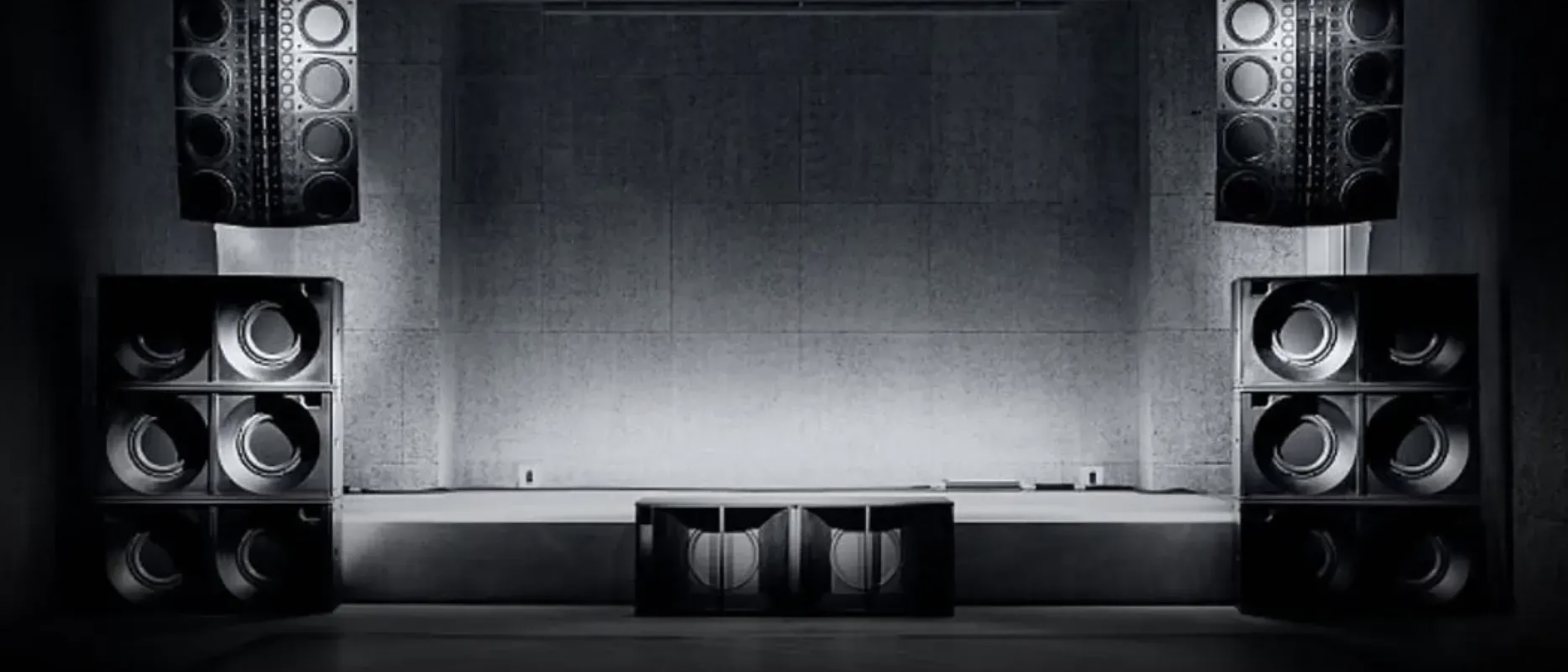
VENT — Omotesando, courtesy of Techno Japan.
For a taste of Tokyo’s contemporary nightlife, VENT is a destination for electronic music, with a lineup of house and techno artists.
Old Imperial Bar — Hibiya

Courtesy of Old Imperial Bar.
With dark wood, leather furnishings, and soft lighting, the Old Imperial Bar preserves the Art Deco legacy of Frank Lloyd Wright’s original Imperial Hotel. Order the Mount Fuji, a signature cocktail that has remained on the menu for nearly a century.
Museums & Art Galleries
Nezu Museum — Aoyama

Image courtesy of Nezu Museum.
At the Nezu Museum, explore the collection of premodern Japanese and East Asian art amassed by Nezu Kaichirō, alongside rotating special exhibitions and a tranquil Japanese garden.
21_21 DESIGN SIGHT — Midtown

Courtesy of 21_21 DESIGN SIGHT.
Experience Tadao Ando’s architecture firsthand at 21_21 DESIGN SIGHT, co-founded by Issey Miyake, where rotating exhibitions and public programming explore the evolving world of design.
Pace Gallery — Azabudai Hills

Pace Gallery Tokyo. © DBOX for Mori Building Co., Ltd – Azabudai Hills
International contemporary art powerhouse Pace Gallery opened its Tokyo outpost in 2024, bringing its global roster of artists and exhibitions to the heart of the Japanese capital.
Hotels & Clubs
The Okura Tokyo — Toranomon

Courtesy of The Okura Tokyo.
At The Okura Tokyo, Japanese modernism meets thoughtfully composed interiors and traditional hospitality across the hotel’s two distinct buildings and brands: the Prestige Tower and the Heritage Wing.
International House of Japan — Roppongi
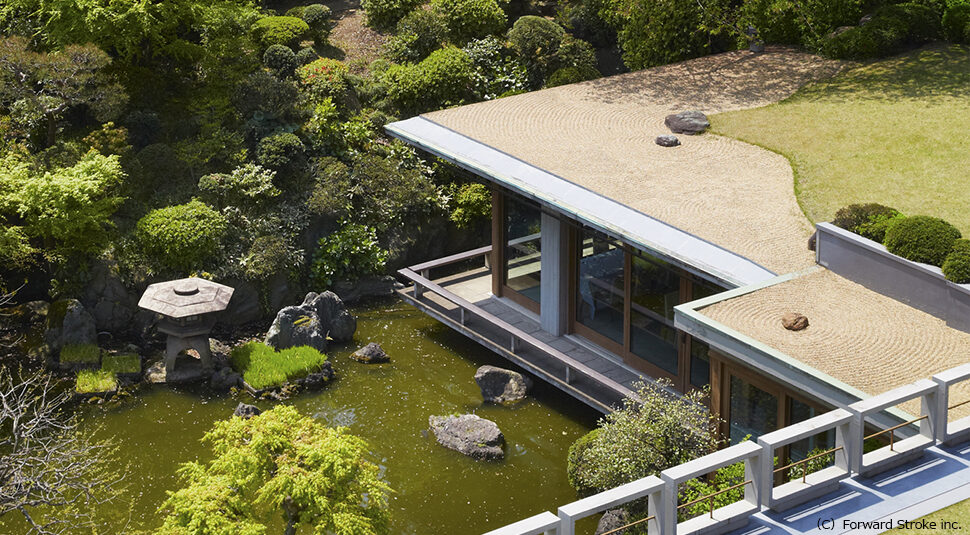
Courtesy of the International House of Japan.
The International House of Japan, a private nonprofit cultural and intellectual center, is home to an impressive Japanese landscape garden, complemented by dining spaces, cafés, and rooms for meetings and conferences.
Soho House Tokyo — Omotesando
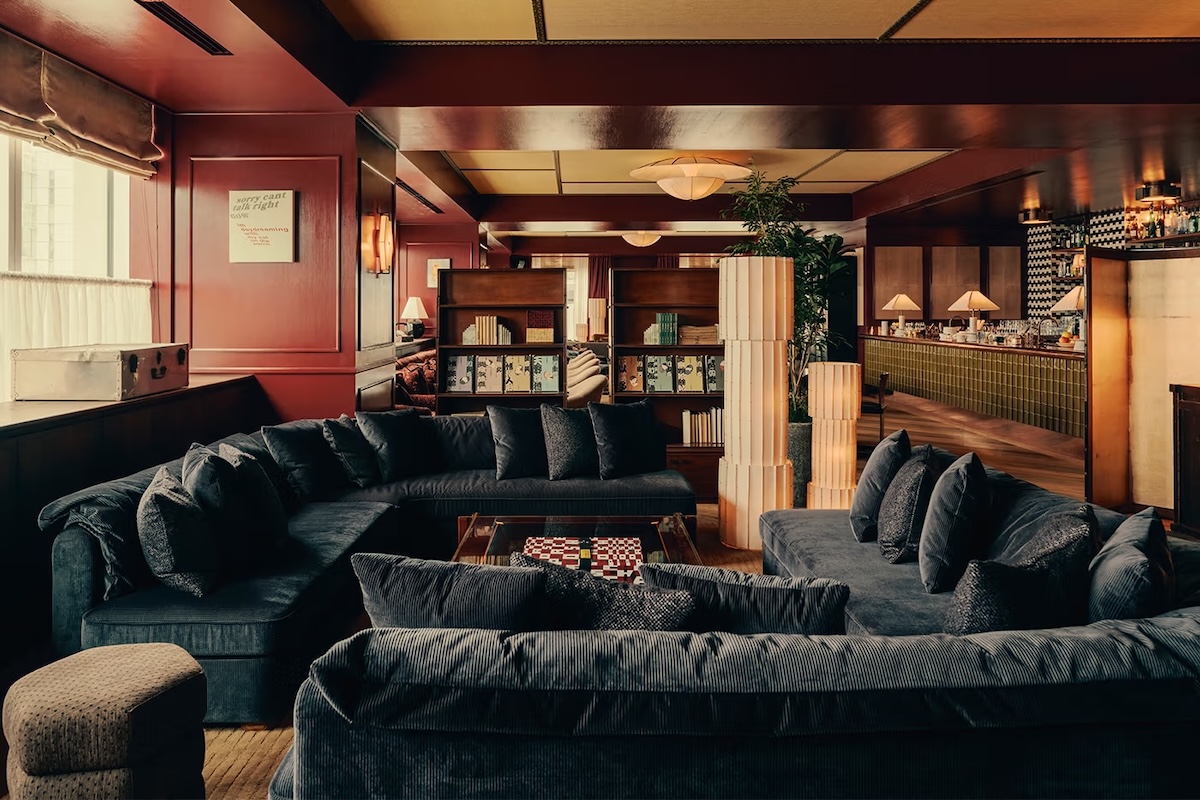
Courtesy of Soho House Tokyo.
Soho House Tokyo brings its signature contemporary members-only club experience to Tokyo, blending maximalist interiors with Japanese craftsmanship in a fusion of East and West.
Architecture
Maison Hermès — Ginza

Hermès © Michel Denancé.

Hermès © Michel Denancé.
Behind Renzo Piano’s striking glass-block façade, Maison Hermès Ginza brings architecture and luxury into dialogue, housing the French house’s collections within one of Tokyo’s most distinctive architectural landmarks.
Prada Aoyama — Aoyama
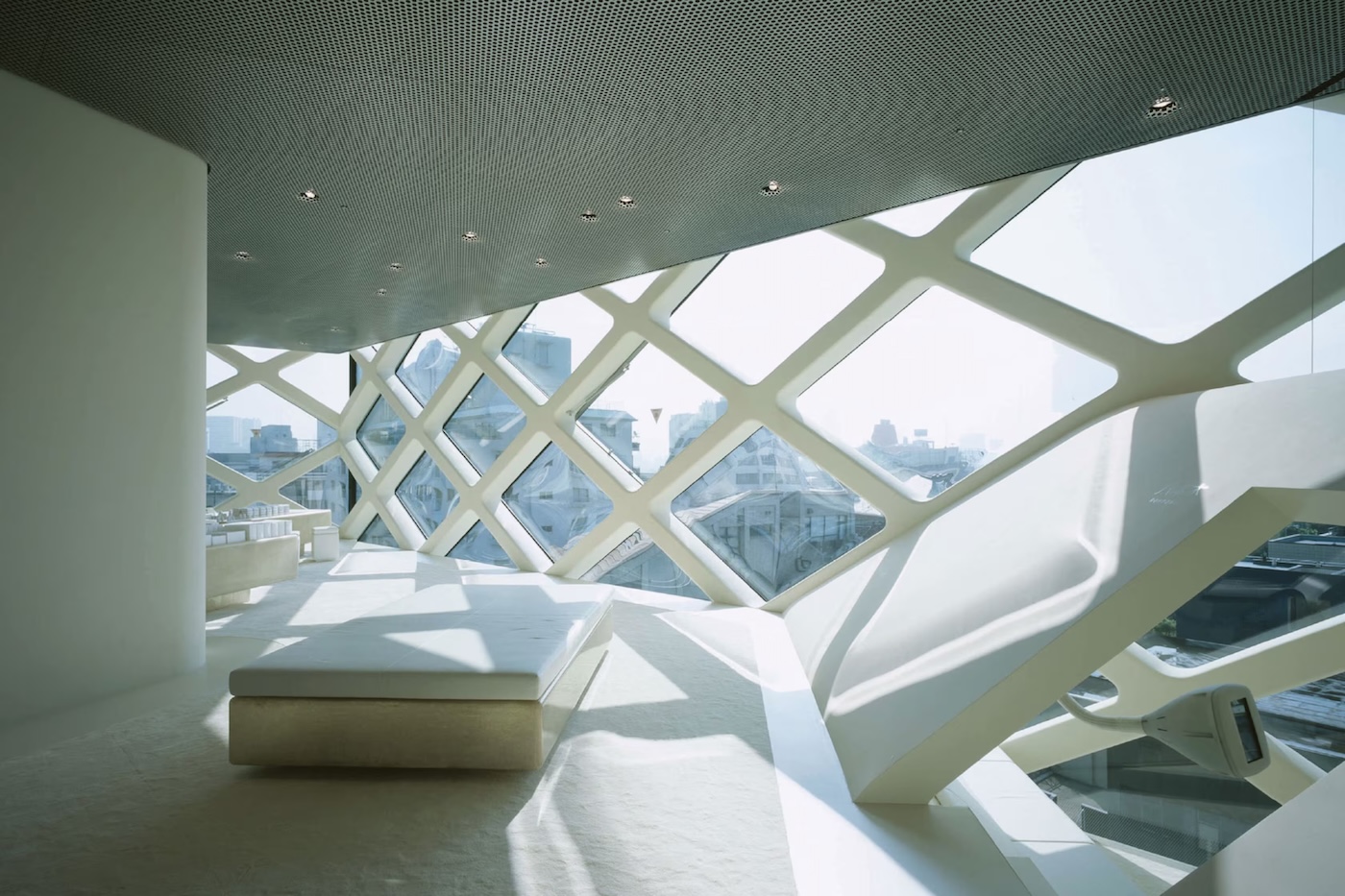
Courtesy of Prada Aoyama.
Prada Aoyama’s six-story crystalline structure blurs the boundaries between architecture and public space, its sculptural glass façade unfolding around a plaza designed for gathering and conversation.
Yoyogi National Gymnasium — Harajuku

Yoyogi National Gymnasium © Flickr User: kanegen.
A landmark of Japanese postwar architecture, Kenzo Tange’s Yoyogi National Gymnasium was built for the 1964 Tokyo Summer Olympics. Its dramatic suspended roof remains an architectural marvel, while the building continues to serve as a sports venue today.
Shopping
Arts & Science — Aoyama

Courtesy of Arts & Science.
At ARTS&SCIENCE’s flagship women’s store, discover a considered selection of Japanese and international clothing, jewelry, and collaborations. While a sculpture by Noe Aoki welcomes visitors at the entrance.
Shihara Tokyo — Omotesando

Courtesy of Shihara Tokyo.
Known for its minimalist fine jewelry, SHIHARA’s flagship store reflects founder Yuta Ishihara’s object-first philosophy, where jewelry is approached as both adornment and design.
PLEATS PLEASE ISSEY MIYAKE — Aoyama

Courtesy of PLEATS PLEASE ISSEY MIYAKE.
Reopened in 2025 with interiors by Tokujin Yoshioka, PLEATS PLEASE ISSEY MIYAKE pairs industrial aluminum and clear glass with the brand’s iconic pleated garments. Displayed on suspended rods that appear to float in midair, the colorful pieces bring vibrancy to the minimalist space.
Gardens & Parks
Rikugien — Bunkyō

Rikugien Garden. Courtesy of Japan Guide.
One of Tokyo’s most beautiful gardens, Rikugien Garden is a fine example of an Edo-period strolling garden, with winding paths leading through lush greenery, wooded groves, open lawns, and traditional teahouses.
Kiyosumi Garden — Kiyosumi

Kiyosumi Garden. Courtesy of Japan Guide.
Opened to the public in 1932, Kiyosumi Garden has a storied past shaped by Edo-period merchants, feudal lords, and the Mitsubishi family. Today, the landscaped garden invites visitors to wander along stone pathways, admire rocks gathered from across Japan, and spot fish and turtles in its tranquil ponds.
Yoyogi Park — Harajuku

Yoyogi Park. Courtesy of Japan Guide.
One of Tokyo’s largest parks, Yoyogi Park offers expansive lawns, ponds, wooded areas, and cherry blossom trees. Once the site of the Olympic Village for the 1964 Tokyo Games, today it invites visitors to stroll, picnic, or simply unwind amid the greenery.
AloJapan.com