
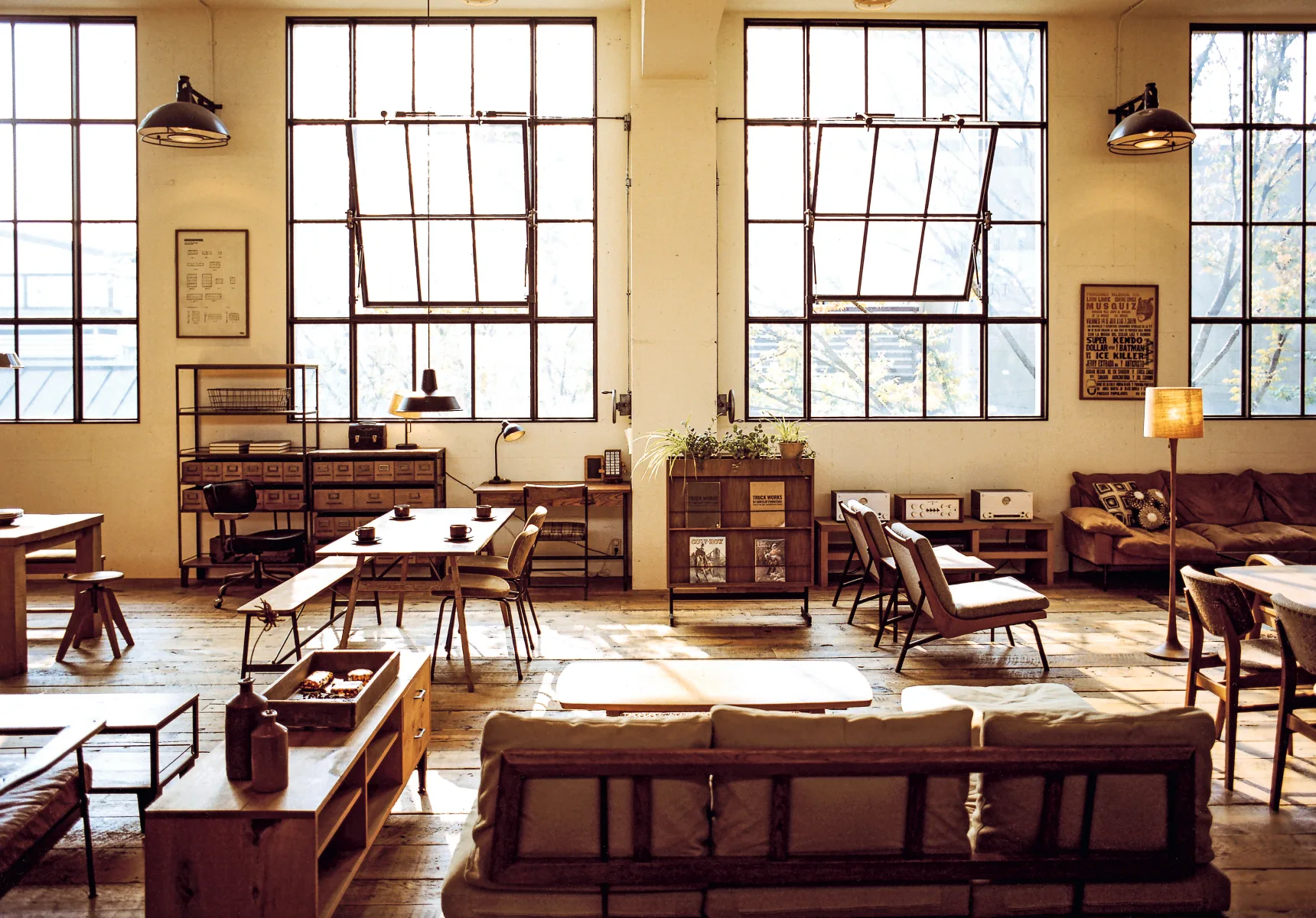
Douguya Nobori, Tokyo
Douguya Nobori had a modest beginning as a curated corner of gifts and homewares inside a cafe, before becoming a standalone store in spring 2018. Originally intended to open on the second floor of a building, the shop took its name from nobori, meaning “to climb” in Japanese, paired with douguya, the Romanised term for “tool shop,” a common title for a kitchenware emporium. Today, the street-level store showcases a stunning selection of glassware, ceramics, clothing and accessories, unified by a distinctive neutral colour palette and presented in a series of beautifully crafted display cabinets.
Founder Mao Hsuan Hui, a native of Taiwan who moved to Japan after graduating from high school, briefly attended patisserie work¬shops while cofounding a company with a friend. In 2015, the company opened a cafe, where, in 2017, she introduced a selection of vintage items, handmade wares, and everyday household goods – the concept that would later evolve into Douguya Nobori. Over the years, the business has grown to include several additional cafes, patisseries, a bagel store and a coffee roastery throughout Tokyo. In 2024, Mao and her partner further expanded their footprint by opening a cafe and home goods store in Kanazawa, on the north coast of central Japan. Each new space is beautifully renovated, showcasing a cohesive visual identity that reflects Mao’s refined aesthetic and meticulous attention to detail, much like that seen in Douguya Nobori.
Located in a former warehouse district that was transformed in the early 2010s into a vibrant creative neighbourhood, Douguya Nobori is one of the new generation of shops and independent businesses rede¬fining the area. Mao commissioned a bespoke wooden facade to match the interior fittings of the shops, an elegant addition that upgraded the storefront. Initially the shop opened only three days a week, but it quickly attracted a loyal following. By the end of 2018, the shop was open daily, hosting monthly exhibitions featuring the work of selected artisans and designers, creating an interesting flow of unique and limited-edition pieces that complement its timeless central collection.
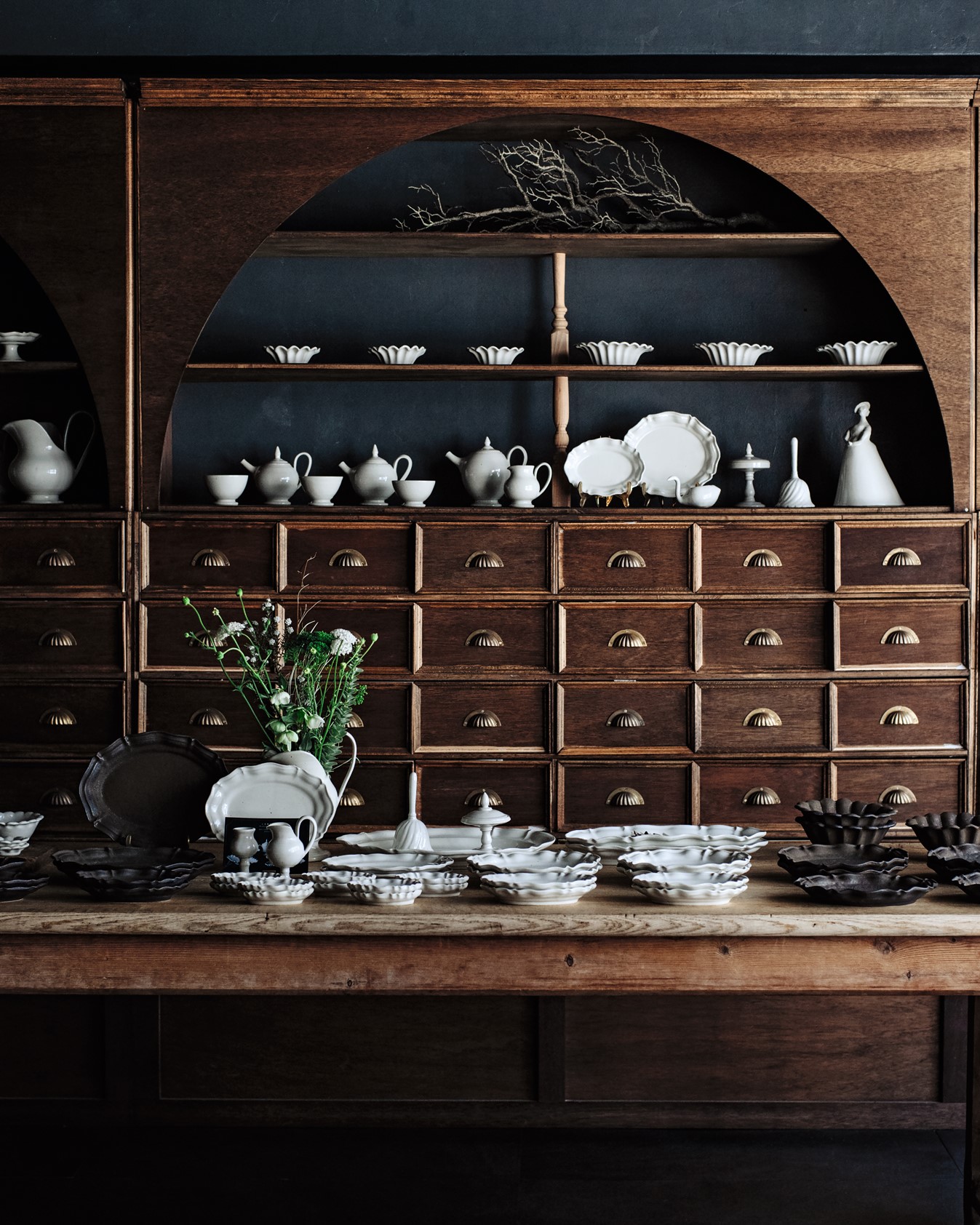
Excerpted from The World’s Most Beautiful Shops by Paula Flynn (Artisan Books). Photographs by Light Source Co., Ltd. Copyright 2026.
Truck, Osaka
Truck is a Japanese furniture brand founded in 1997 by Tokuhiko Kise and Hiromi Karatsu. Their signature designs, rustic and industrial in style, highlight the natural beauty of wood, leather, and metal and are designed to gain character and patina with age. And because the pair believes that the environment in which their furniture is displayed is as important as the furniture itself, rather than simply opening a store to showcase their wares, they built one.
After studying furniture construction, followed by a position crafting chairs and tables, Tokuhiko set up his own workshop. Hiromi studied textile design and was a freelance illustrator. In 1996, the couple renovated an old building, doing all the labour themselves, transforming it into their first store, studio and home.
They handcrafted all the furniture on-site, and the hum of machinery constantly filled the workshop, separated from the retail space by a single, creaky sliding door. As their following grew, the space became too cramped, prompting a move in 1999 to a larger three-storey building directly behind the original store. Once again, they did all the renovations, this time while continuing to run the business.
But Tokuhiko and Hiromi had even grander plans. In 2007, after demolishing the existing structures on a lot they purchased, they started building from the ground up. The project took over five years to complete, from finding the site to designing every detail themselves, overseeing the construction, and even planting fully grown trees, one of which stood over 50 feet (15 metres) tall. In 2012, they documented the process in a book, TRUCK nest. While building their new store, work¬shop, and home, they expanded their vision to incorporate a cafe. In December 2009, Tokuhiko and Hiromi opened the space they had always dreamed of: an integrated home for themselves, Truck and their new cafe, Bird.
In 2024, 27 years after Truck was founded, Tokuhiko reapproached furniture making with the curiosity of a beginner. He reimagined signature pieces into a cleaner, refined second line. The factory was relocated to create space for a renovated showroom reflecting the pared-down aesthetic of the new line, ST,NE (Same Truck, New Engine). Today, the two showrooms, one sitting above the other, capture the evolution of Tokuhiko’s thoughtful design journey.
Wife & Husband, Kyoto
Wife & Husband is a Kyoto coffee, picnic, and antiques shop known for its eye-catching shopfront display of baskets, folding stools, tables, and straw hats. These charming items are available for rent, along with a basket that includes a coffee-filled thermos, cookies, and a tablecloth to enjoy a picnic on the grassy banks of the Kamo River that runs nearby.
Ikumi and Kyoichi Yoshida established the business in 2015 and chose the simple, direct name Wife & Husband because it was just the two of them. They didn’t set out to open a store, but when they were looking for a home, they found an 80-year-old building that had housed a traditional Japanese restaurant and decided to use the storefront as a coffee shop. Drawing on Kyoichi’s experience managing a specialty teahouse, they decorated the interior with antiques and the facade with picnic supplies.
Wife & Husband considers itself the world’s first picnic shop. Inspired by the establishment’s name, customers come from all over the world to rent picnic supplies for their marriage proposals. As far as Ikumi and Kyoichi know, all the proposals have been successful.
The tiny coffee shop became too small to accommodate the quantity of beans the pair roasted, so in 2018 they opened a second location, Roastery Daughter. This space is equipped with a bigger roaster and also houses Gallery Son, which features a larger collection of antiques and hosts special events.
Alongside their family-themed coffee blends – such as Mother, Father and Grandma – they have developed a small collection of clothing made from upcycled fabric in early-20th-century workwear styles. Most of the tableware and cutlery used in the store are antiques from the 19th and early 20th centuries and feature a beautifully aged patina. The mugs, however, are handmade to specific dimensions to ensure that just the right amount of drip coffee is served to customers.

Excerpted from The World’s Most Beautiful Shops by Paula Flynn (Artisan Books). Photographs by Wife & Husband. Copyright 2026.
This is an edited extract from The World’s Most Beautiful Shops by Paula Flynn. Published by Artisan Books. Available now.
AloJapan.com