
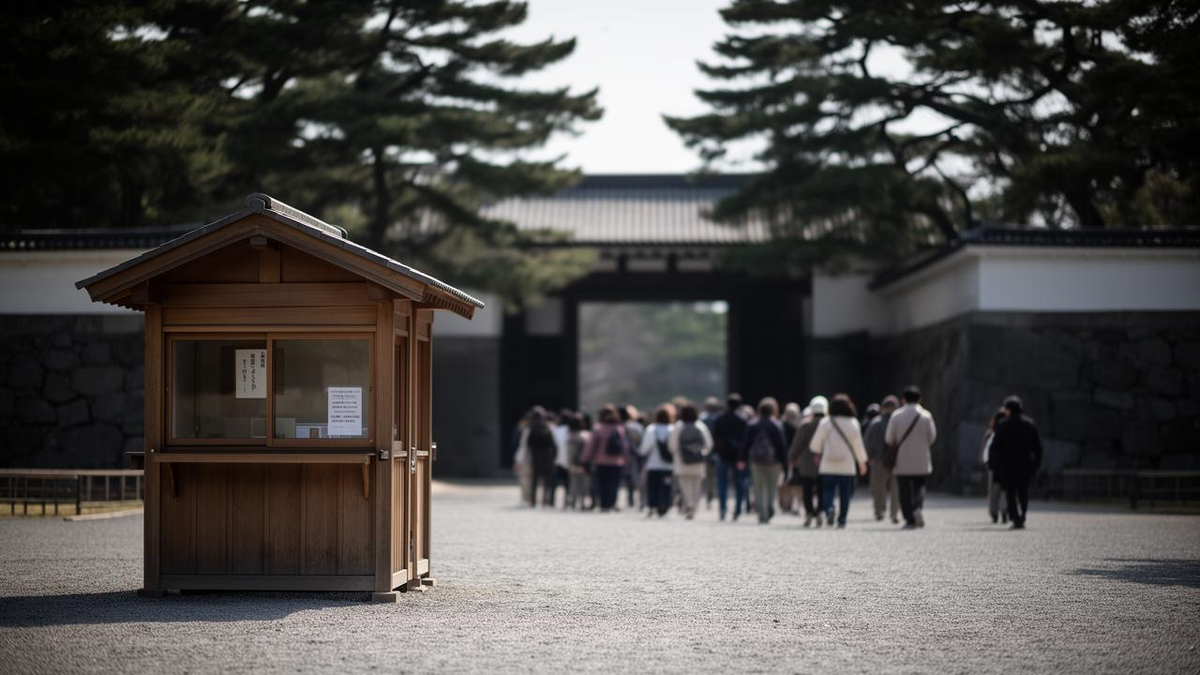
Kyoto City announced on the 1st its plan to introduce a “dual pricing” system for admission to the World Heritage-listed Nijo Castle, establishing different rates for city residents and visitors from outside the city. Mayor Koji Matsui made the announcement at the city council. The city aims to implement the system in fiscal 2027 and will submit a revision to the relevant ordinance to the council within the current fiscal year.
The pricing change applies to the combined “castle entry and Ninomaru Palace admission” ticket. The current general admission of ¥1,300 will be reduced to ¥1,000 for Kyoto residents, while non-resident visitors will see an increase to ¥2,000. The price gap between residents and non-residents will be ¥1,000. The additional revenue is earmarked for the Ninomaru Palace preservation and restoration project, which is estimated to cost approximately ¥20 billion (approximately $126.5 million).
According to city surveys, Nijo Castle welcomed approximately 2.07 million visitors last fiscal year, but Kyoto residents accounted for only about 2% of the total. The vast majority are believed to be tourists from outside the city, including foreign visitors to Japan. The city views the measure as part of its overtourism strategy, aiming to return the benefits of tourism to local residents.
There is already a precedent for dual pricing. Himeji Castle, a World Heritage site in Himeji, Hyogo Prefecture, introduced a system in March of this year that raised admission for non-resident visitors aged 18 and over from ¥1,000 to ¥2,500, while keeping the rate for city residents at ¥1,000.
According to Himeji City data, visitor numbers from March to August totaled 711,876, down approximately 16% from 850,915 in the same period last year. Meanwhile, admission revenue reached approximately ¥1.35 billion (approximately $8.5 million), more than doubling from approximately ¥650 million (approximately $4.1 million) in the prior-year period. A city official stated, “Considering the castle’s future, the price increase was unavoidable.”
Kyoto City has identified through visitor surveys that resident visits to the castle are extremely low. By lowering prices for residents, the city hopes to encourage local usage, while the increased burden on non-resident visitors will secure funding for preservation and restoration. Large-scale preservation work on the Ninomaru Palace began at Nijo Castle this fiscal year, and securing a stable funding source had been a pressing challenge.
Dual pricing at tourist destinations is drawing attention as a method to balance benefits for local residents with securing tourism revenue. However, the potential decline in visitor numbers due to higher costs for non-residents remains a concern. In the case of Himeji Castle, visitor numbers declined, but admission revenue increased substantially—an outcome that appears to have influenced Kyoto City’s policy design.
AloJapan.com