
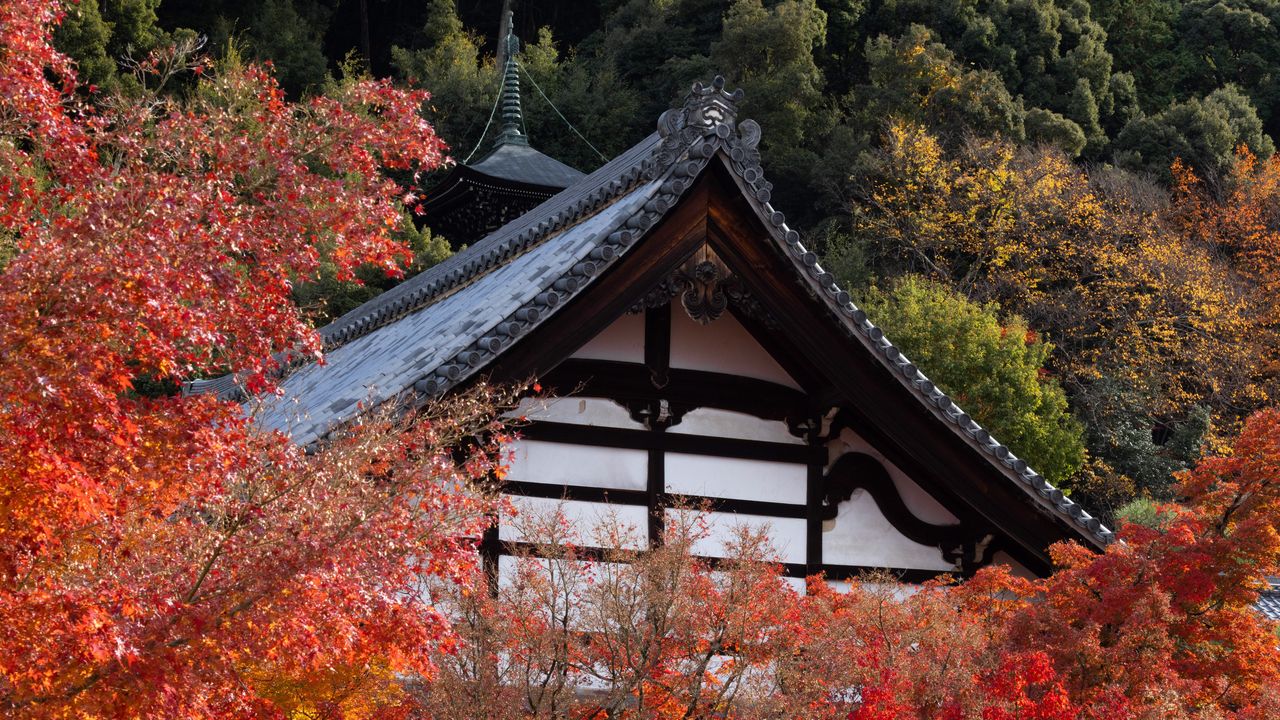
Japan’s first autumn foliage forecast for 2026 is out, giving travellers a first look at when the country’s famous maple and ginkgo trees are expected to turn, from Hokkaido in the north to Kagoshima in the south. Released by the Japan Meteorological Corporation on September 2, the forecast covers about 700 viewing spots and 3,000 mountains, with warmer-than-average autumn temperatures expected to push the season later than usual in some regions. Sapporo is forecast to see peak red foliage around November 7, Tokyo around November 29 and Kyoto around December 11.
The schedule for momijigari, which literally translates to hunting for autumn leaves, comes as Japan’s travel industry adapts to a range of updated policies. Kyoto has raised its accommodation tax, Japan will overhaul its tax-free shopping system from November 1, and new hotels, restaurants and cultural attractions are expanding the map beyond the familiar Tokyo-Kyoto-Osaka circuit. But one thing that hasn’t changed much over the years, thankfully, is the mountain forests turning crimson and gold, volcanic hot springs, historic towns and a food culture that changes with the seasons.
This guide covers what travellers should know before an autumn trip to Japan, from local regulations and seasonal conditions to getting around, finding the best autumn colour and navigating the country’s changing accommodation and shopping rules.
Japan’s international departure tax has tripled
Japan tripled its International Tourist Tax from ¥1,000 (Rs590) to ¥3,000 (Rs1,770) per person from 1 July. First introduced in 2019, the levy is automatically added to the cost of international air and sea tickets and applies to anyone departing Japan, regardless of nationality or purpose of travel. Exemptions include children under the age of two, certain diplomats and state guests, while some transport contracts concluded before 1 July continue to qualify for the previous ¥1,000 (Rs590) rate.
Tax-free shopping rules will change
Japan’s long-standing instant tax-free discount at the checkout, which they called the “consumption tax exemption system”, will end on 31 October. From 1 November, visitors will pay the full, tax-inclusive price when shopping and claim a refund after customs confirms the goods are being exported from Japan. The new refund-based system is intended to strengthen oversight and curb abuse of the tax-free programme.
Purchases of at least ¥5,000 (Rs2,950) excluding tax per store per day will remain eligible, provided the goods are taken out of Japan. The government will also abolish the special packaging requirement for consumable goods under the revised rules. Travellers should retain their receipts and allow extra time before departure if planning significant tax-free shopping.
Read our full guide to eligibility and restrictions under the new refund rules here.
Kyoto’s accommodation tax is now tiered
Kyoto City introduced a revised five-tier accommodation tax on 1 March, replacing its previous three-tier structure. Charged per person, per night, the tax now ranges from ¥200 (Rs118) for stays costing less than ¥6,000 (Rs3,540) to ¥10,000 (Rs5,900) for accommodation priced at ¥100,000 (Rs59,000) or more per night. Other tax bands include ¥400 (Rs236), ¥1,000 (Rs590) and ¥4,000 (Rs2,360) depending on the nightly room rate. The revised structure was approved to help fund sustainable tourism initiatives, preserve cultural assets and improve infrastructure as Kyoto continues to experience high visitor numbers. The tax is collected by accommodation providers and added to eligible stays within Kyoto City.
Mount Fuji now boasts self-service payment kiosks
In an effort to streamline the flow of climbers, Yamanashi Prefecture has installed two automated payment kiosks at the Yoshida Trail’s fifth station. These stations now allow travellers who haven’t booked in advance to settle the mandatory ¥4,000 (Rs2,125) entry fee, helping to manage crowds on the mountain’s most frequented path during the 2026 season.
AloJapan.com