
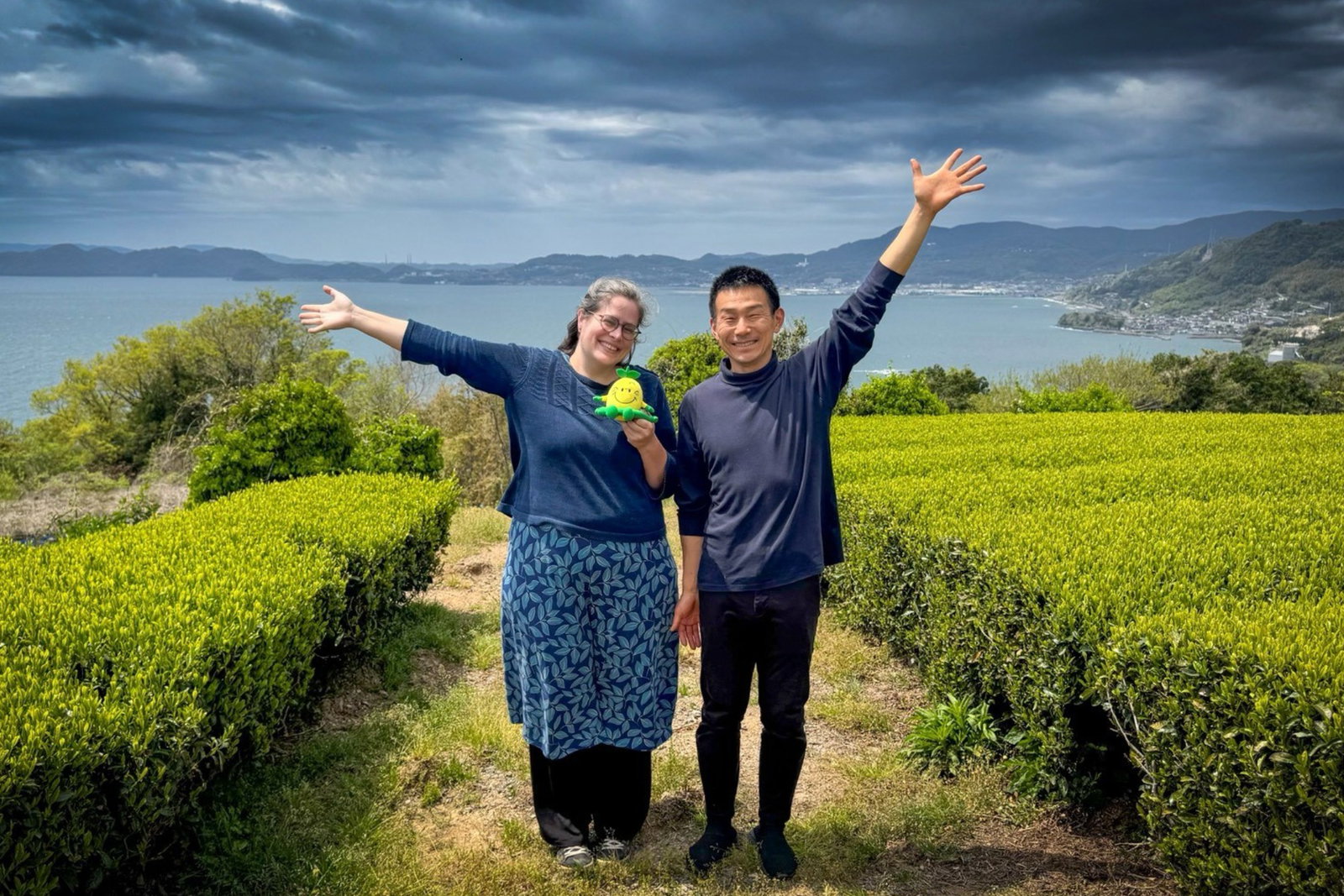
The Japan specialist launched its undertourism strategy in 2025, targeting Yamaguchi, Nagasaki, Toyama, Nagoya and Aomori as alternatives to heavily frequented destinations such as Tokyo, Kyoto and Osaka.
The five regions were selected using criteria including visitor numbers, local capacity, community appetite for tourism and accessibility for international travellers.
InsideJapan initially set a target of doubling room nights across the five regions to 1,000 in 2025. It exceeded that goal, according to its latest Impact Report, with one in 10 trips including at least one of the destinations and more than £267,000 in visitor spending generated across the regions.
The strategy has now been scaled up, with a 2026 target of 2,500 room nights. Latest figures show InsideJapan has reached 73% of that target, while the proportion of trips featuring one of the five destinations has risen to one in five.
Head of Impact Rob Moran said the results demonstrated that tour operators could play an active role in tackling tourism concentration. “We wanted to demonstrate that undertourism could be more than an idea – that a tour operator could actively influence where people travel,” he said.
The initiative forms part of the wider impact programme of parent company Inside Travel Group, which operates the InsideJapan and InsideAsia brands and became a certified B Corp in 2023.
The company says the dispersal strategy is a response to the exponential growth of international tourism in Japan. In 2000, when InsideJapan was founded, the country welcomed 4.8 million inbound visitors – by 2025, that figure had reached 42.7 million.
InsideJapan is also attempting to reduce pressure within the busiest destinations through its “Inside Swaps” initiative. In Kyoto, for example, the operator has redesigned itineraries to move customers away from overcrowded attractions including the Arashiyama bamboo grove.
“When InsideJapan began 25 years ago, Japan was a very different tourism destination,” said InsideJapan Co-Founder Simon King. “Today, the challenge is not encouraging people to discover Japan – it is helping ensure that the benefits of that growth are shared more widely.”
The company says the undertourism model could ultimately be applied across other InsideAsia destinations, including South Korea, India, Vietnam and Thailand.
AloJapan.com