


(Photo by Miyuki Takiguchi/Stripes Japan)
Japan will celebrate Silver Week this year Sept. 19-23!
You may have heard of Golden Week, Japan’s annual string of four consecutive holidays from late April to early May. But you might not have known that there is also a Silver Week, which only occurs once every several years in September.
The previous two Silver Weeks occurred back in 2015 after 2009, so it’s exciting that it will be celebrated in 2026.
Here’s how it works: Autumnal Equinox Day is a national holiday that falls on Sept. 23 (Sept. 22 during leap years). Japan’s National Holiday Act dictates that when Respect for the Aged Day, celebrated the third Monday in September, falls on Sept. 21, and it is not a leap year, the day between the two holidays becomes another holiday – National People’s Day. Combined with the weekend that precedes the Monday holiday, you get the five-day (Sept. 19 to 23) Silver Week.
While temperatures gradually drop, it’s a time of year that presents silver or even golden opportunities to travel in Japan – or stick close to home and trade the solitude of an emptied city for the crowds and mayhem.
Higan – Buddhist memorial service during Silver Week

(Photo by Miyuki Takiguchi/Stripes Japan)
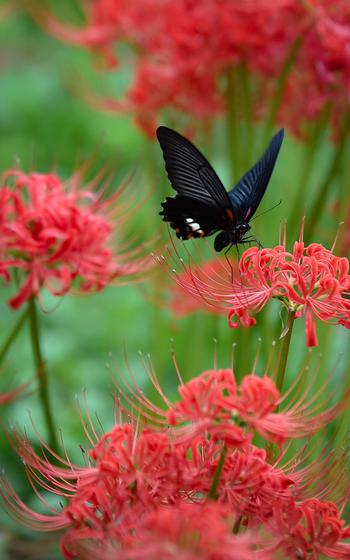
(Photo by Miyuki Takiguchi/Stripes Japan)
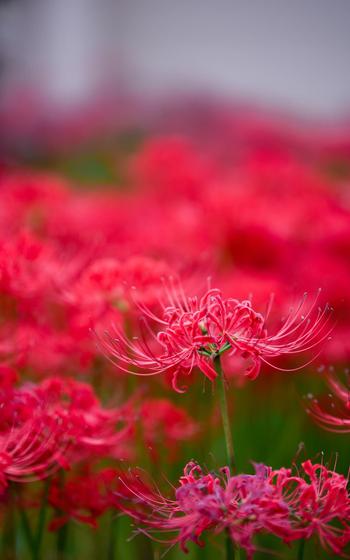
(Photo by Miyuki Takiguchi/Stripes Japan)
Higan is a seven-day Buddhist memorial service held three days before, after and on the spring and autumn equinox (Mar. 20 and Sep. 23) to honor loved ones who have died. So, this year, it’s from Sept. 20 to 26, with Autumnal Equinox Day on Sept. 23
There is a saying in Japan that, “No heat or cold lasts over the equinox.” The autumnal and spring equinoxes are considered the border, and thus the end, of the respective hot and cold seasons.
In Japan’s Buddhist tradition, these times also represent passing from one realm to the next. Higan (literally, “other shore”) is a seven-day Buddhist memorial service held on the equinoxes (three days before and after).
The concept can be likened to Memorial Day in the United States in that it is a special time set aside to remember friends and family who have died. Both the Vernal Equinox (March 20 or March 21) and Autumnal Equinox (around Sept. 23) have been observed as holidays for more than 1,000 years in Japan.
Originally, the Higan ceremony called on devout Buddhists to visit temples and offer prayers for the souls of the dead. Records indicate Higan was widely observed as far back as the 9th century A.D., when the equinoxes became religious holidays and the emperor called on Buddhist monks to read scriptures for these rites.
Today, people visit family tombs at temples or common cemeteries to offer prayers for deceased family members and friends. Sweet rice-gluten balls, or “ohagi,” are commonly eaten during these periods. (The name ohagi comes from autumn flower “hagi,” or bush clover.)
Respect Aged Day (Sept. 21) – National holiday that forms Silver Week
Respect for the Aged Day may call to mind Japan’s rapidly aging population, but that only underscores this national holiday’s emphasis on honoring and appreciating the contributions senior citizens have made to society. Celebrated this year on Sept. 21, this holiday traces its origins back to 1947, when a farming village in Hyogo Prefecture proclaimed Sept. 15 as “Day for the Elderly,” or Toshiyori-no-Hi. They held a meeting to honor seniors and listened to them speak in order to benefit from their words of wisdom. The idea spread throughout the prefecture and eventually nationwide.
Respect for the Aged Day (Keiro-no-Hi) was legislated in 1966, according to the National Holidays Act.
“The purpose of this holiday is to express respect for the elderly in our communities and wish them longevity,” said Yukihiro Miura from the holiday section of the National Cabinet Office’s General Affairs Division. “I think sometime after Japanese society started recovering from the devastation of the war, people began to think of how they could appreciate the elderly who had contributed so much to society, and how to glean from their wisdom.”
Although the holiday was originally observed Sept. 15, the National Holidays Act was amended in 2003, introducing the so-called Happy Monday system which moved several holidays to Mondays to create three-day weekends. Respect for the Aged Day has been celebrated on the third Monday of September ever since.
On this day, many communities honor the elderly with parties or ceremonies and present them with gifts. TV stations usually air senior-related programs, including features on the number of elderly in Japan or the oldest people in the country. And school children often visit facilities for the elderly to entertain them with songs and dances.
AloJapan.com