
The iconic ramen scene from the 2008
Ghibli film Ponyo remains etched in the minds of viewers not only for
the protagonists’ childlike enthusiasm after Lisa serves them hot bowls on a
stormy night, but also for the hyper-realistic steam, rich textures and
visceral sounds of slurping that ground the magical fantasy in physical
comfort.
The dish was minimal, with pieces of
ham, egg and chilli oil floating in the steaming soup.
This is what ramen offers us — comfort.
When a Bengali is asked to name their comfort food, they will often go for the
classic alu-sheddho bhaat with a spoonful of butter or ghee. Ramen
follows the same philosophy for Japanese people.
However, the growing popularity of
ramen globally has also led many self-taught cooks to overcomplicate its
flavours with excessive ingredients and toppings, often masking the dish’s
simplicity.
To understand the art of making ramen
the right way, My Kolkata spoke to city chefs and experts about mastering its
delicate balance.
Shopno Banerjee, the owner of Japanese
restaurant Akira, said ramen boasts the unbreakable bond of broth, noodles and
seasoning.
“Everything else should support that
relationship, not compete with it. A perfectly cooked noodle and a
well-balanced broth can be incredibly comforting without being overloaded,” he
said.
Archan Ray, author and co-founder of
Safarnama — a community focused on culture, supper clubs, and creative
gatherings — observed that ramen in Kolkata often seems more like a mixture of
noodles, soup, and sauces rather than a dish that has been properly cooked and
thoughtfully developed.
He said, “When the broth lacks depth,
the instinct is to add more soy, chilli oil, bottled sauces, spices or
toppings. But you cannot really replace time with seasoning. If the base is
good, you actually need very little on top.”
How should one cook a proper bowl of
ramen?
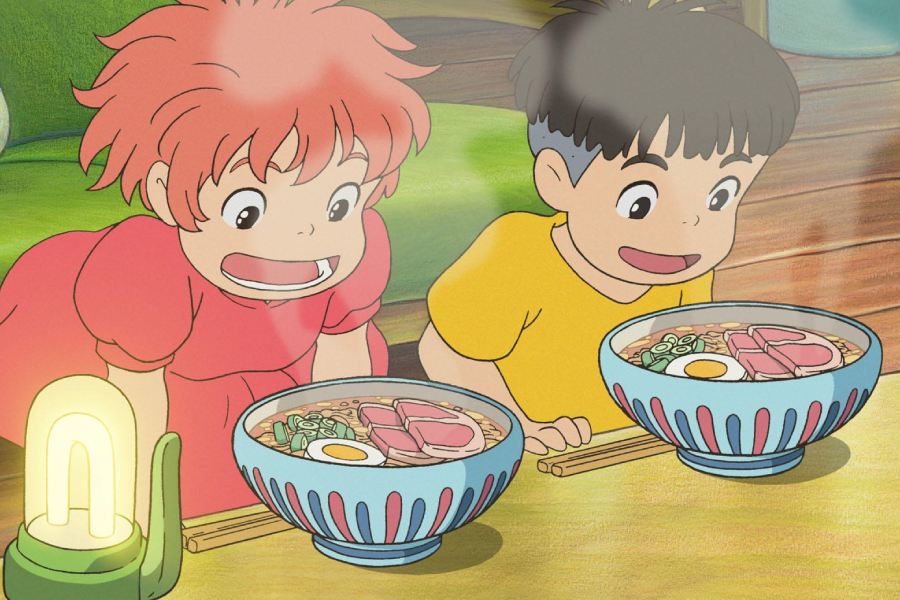
A scene from 2008 film ‘Ponyo’ (IMDb)
Both Banerjee and Ray emphasised giving
some extra time to the broth and then proceeding with the noodles to spark its
magic.
Give the broth time
The broth is the heart of ramen, so
give it enough time to develop its flavour. Season it carefully and taste it
before adding anything else.
Keep the toppings restrained
Toppings should complement the bowl,
not overwhelm it. Choose a few ingredients that bring contrast — something
rich, something fresh and something with texture.
Focus on balance
Good ramen is not about adding more and
more flavours. Use fresh, quality ingredients and let their individual flavours
work together.
What are the common mistakes to avoid?
According to Banerjee, one of the
biggest mistakes is assuming that ramen needs to be made ‘more flavourful’.
Adding too much chilli oil, garlic, sesame oil or heavy sauces can mask the
nuances of the broth, while excessive toppings can alter its texture by
releasing water or fat into the soup.
Another common mistake is adding
ingredients simply because they are available — cheese, excessive cream, raw
vegetables or an overload of meat can easily overpower a carefully balanced
broth.
“Overcooking the noodles because you
want them softer. Ramen noodles are designed to have structure. That slight
bite is part of the experience. If the noodles sit in the broth too long, they
continue cooking, and the entire bowl loses its balance,” he noted.
Ray added, “Don’t rush it. Don’t try to
fix a weak broth with bottled sauces and unnecessary spices. Don’t overload the
bowl until you can no longer taste what the ramen actually is. For me, good
ramen is ultimately quite simple. It does not need more things. It needs more
patience.”
AloJapan.com