
 Buldak stir-fried noodles. Yonhap News
Samyang Foods, which has amassed substantial cash on the global success of its Buldak spicy ramen, is expanding where it parks its idle funds by buying shares of major Korean listed companies including Samsung Electronics (005930.KS), Hyundai Motor (005380.KS) and Kia (000270.KS). The Samsung Electronics stake it newly acquired in March saw its valuation swell by more than 400 million won ($290,000) in just three months.
Samyang Foods is investing not only in Samsung Electronics but also in automakers and financial stocks. Including its existing holding in Hyundai GF Holdings, the initial acquisition cost of major listed shares held for pure investment purposes exceeds 5 billion won ($3.6 million) by a wide margin. As cash from its core business grows rapidly on the Buldak craze, the way Samyang Foods manages its coffers is shifting.
Samsung Electronics, Hyundai Motor and Kia Bought Together on March 6
According to Samyang Foods’ half-year report disclosed on the 18th through the Financial Supervisory Service’s DART electronic disclosure system, the company newly acquired shares in four listed firms — Samsung Electronics, Hyundai Motor, Kia and Korea Investment Holdings — on March 6. All were classified as pure investment.
Samyang Foods invested 599.95 million won to acquire 3,188 shares of Samsung Electronics. As the stock rose, the book value climbed to 1.06479 billion won as of the end of June. That is an increase of about 464.84 million won, or 77.5%, from the initial acquisition cost.
This is a valuation gain rather than a profit realized through a sale, however. Samsung Electronics shares rose from 188,200 won on March 6 to 334,000 won on June 30, but later corrected and closed at 268,500 won on the day. As a result, the value of Samyang Foods’ Samsung Electronics holding is now estimated to be lower than the end-June book value.
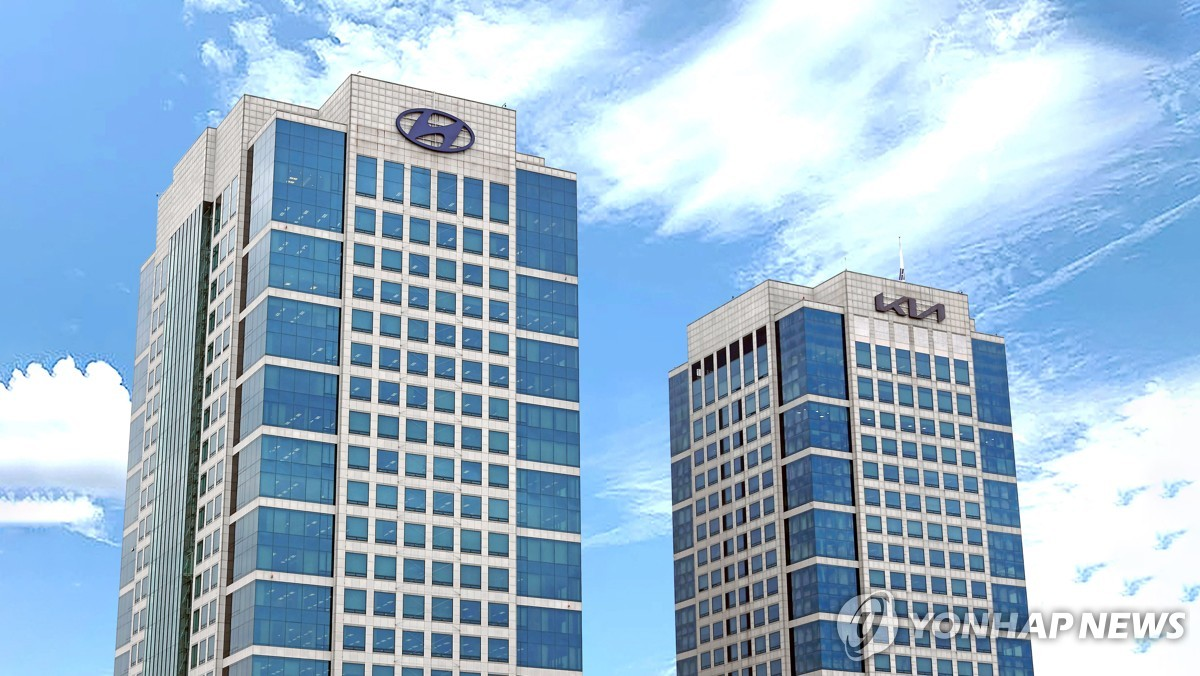 Hyundai Motor and Kia headquarters. Yonhap News
The returns on Hyundai Motor and Kia, bought the same day, differed from those on Samsung Electronics. According to the disclosure, Samyang Foods acquired 1,103 shares of Hyundai Motor for 599.61 million won. The end-June book value was 545.99 million won, down about 53.62 million won from the initial investment.
For Kia, it invested 606.05 million won to secure 3,645 shares. The end-June book value was 503.01 million won, a decline of about 103.04 million won.
It also invested 600.30 million won in Korea Investment Holdings the same day. That holding, however, was entirely disposed of during the first half. The disclosed disposal amount was about 619.35 million won, with a figure reflecting valuation gains and losses of 19.32 million won.
Some Received 3.6 Billion Won: Samyang Foods Widens Its Investment Reach
Beyond the stocks it newly bought this year, Samyang Foods has invested in several companies for pure investment purposes for some time.
Among the listed companies held for pure investment in its disclosures, the largest initial acquisition cost is Hyundai GF Holdings. Samyang Foods holds 209,396 shares of Hyundai GF Holdings. The initial acquisition cost was about 3.59786 billion won, and the end-June book value was about 3.31265 billion won.
It also holds 111,158 shares of Hyundai Greenfood, first acquired in April 2023. The initial acquisition cost was about 805.90 million won, and the end-June book value was tallied at about 1.84078 billion won.
It is also deploying funds into unlisted and overseas companies for pure investment purposes. The half-year report also listed Gobap Company, IBK Blockcorp Corporate Financial Stability PEF LLC, Rogstock Co., Bluestock Co., Violation and NuCicer as pure investment targets.
What has boosted its investment capacity is the substantial cash earned from its core business. Samyang Foods’ cash and cash equivalents stood at 630.6 billion won ($457 million) at the end of the first half, up 89.5% from the end of last year. Cash equivalents, which were around 96.9 billion won in 2022, rose to 218.7 billion won in 2023 and 334.8 billion won in 2024, before surpassing 600 billion won in the first half of this year.
Buldak Overseas Sales Reach 645.8 Billion Won: China Production to Expand Next Year
The top contributor to filling its coffers is the overseas success of Buldak spicy ramen. Samyang Foods’ second-quarter revenue on a consolidated basis was 770.3 billion won and operating profit was 176.2 billion won, up 39.3% and 46.7% respectively from a year earlier.
Overseas sales in particular rose 46.7% from a year earlier to 645.8 billion won. It was the first time quarterly overseas sales topped 600 billion won.
In the United States, Buldak’s popularity continued, with quarterly sales topping 200 billion won for the first time, while sales in China rose 9% from the previous quarter. The European unit’s revenue rose 46% from the previous quarter to 113.2 billion won, emerging as a new growth pillar.
Production capacity is also expected to grow further. Samyang Foods plans to begin full production next year after a trial run of its new plant in Jiaxing, China, at the end of this year. Once the new plant is running, total production capacity is expected to increase by about 40% from current levels.
In the securities industry, some assess that given Samyang Foods’ overseas growth and the launch of the new China plant, the current share price does not fully reflect its growth potential. With the recent price correction easing valuation pressure and growth continuing in the United States and Europe as China emerges as a new growth pillar, there is room for further gains, according to the analysis.
Son Hyun-jung, an analyst at Yuanta Securities, told Newsis that “the current share price is at 12.8 times next year’s forward price-to-earnings ratio, a discount to global ramen peers,” adding that “it does not fully reflect Samyang Foods’ differentiated growth and profitability.”
AloJapan.com