
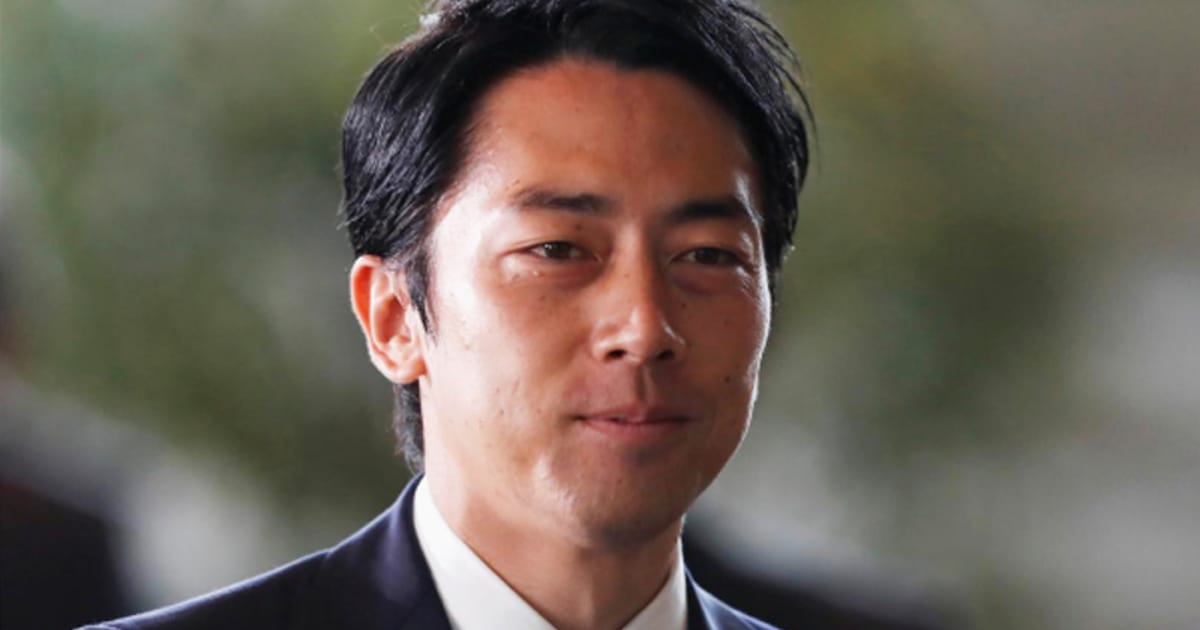
 Shinjiro Koizumi has long been a regular at Yasukuni, but his visit on Saturday as defence chief could rile Beijing and Seoul. (EPA Images pic)
TOKYO: Japan’s defence minister paid his respects Saturday at a shrine honouring the country’s war dead that has long been a thorn in Tokyo’s relations with its Asian neighbours, but prime minister Sanae Takaichi stayed away.
Shinjiro Koizumi’s visit to the Yasukuni shrine took place 81 years after Japan’s surrender in World War II, an anniversary when crowds, including a small number in military-style uniform – and senior political figures – throng the site.
There had been some speculation that Takaichi, a regular visitor before becoming prime minister in October, might attend the shrine like then-premier Shinzo Abe, her mentor, had done in 2013, which sparked fury in China and South Korea.
Yasukuni is dedicated to 2.5 million war dead, mostly Japanese, including convicted war criminals associated with Imperial Japan’s invasion and occupation of parts of Asia in the 1930s and 1940s.
Japan’s neighbours have long seen the site and the regular visits by senior politicians as symbolic of the country’s failure to atone for the atrocities its forces committed across the region before and during World War II.
Koizumi, the son of former prime minister Junichiro Koizumi, has long been a regular at Yasukuni, including as a government minister, but his visit on Saturday as defence chief could rile Beijing and Seoul.
Japanese defence ministers have attended Yasukuni before, the last one being Minoru Kihara in 2024.
Junichiro Koizumi was the last sitting prime minister to visit Yasukuni on the Aug 15 anniversary in 2006. Abe did so in December 2013 on the first anniversary of taking office.
Local media reported that Takaichi had sent an offering to the shrine, as previous prime ministers have done. She did the same for a spring festival earlier this year.
Takaichi has already riled China by suggesting in November that Japan would intervene militarily in any conflict over Taiwan.
China insists Taiwan is part of its territory and has threatened to use force to annex the self-ruled island of more than 23 million people.
AloJapan.com