
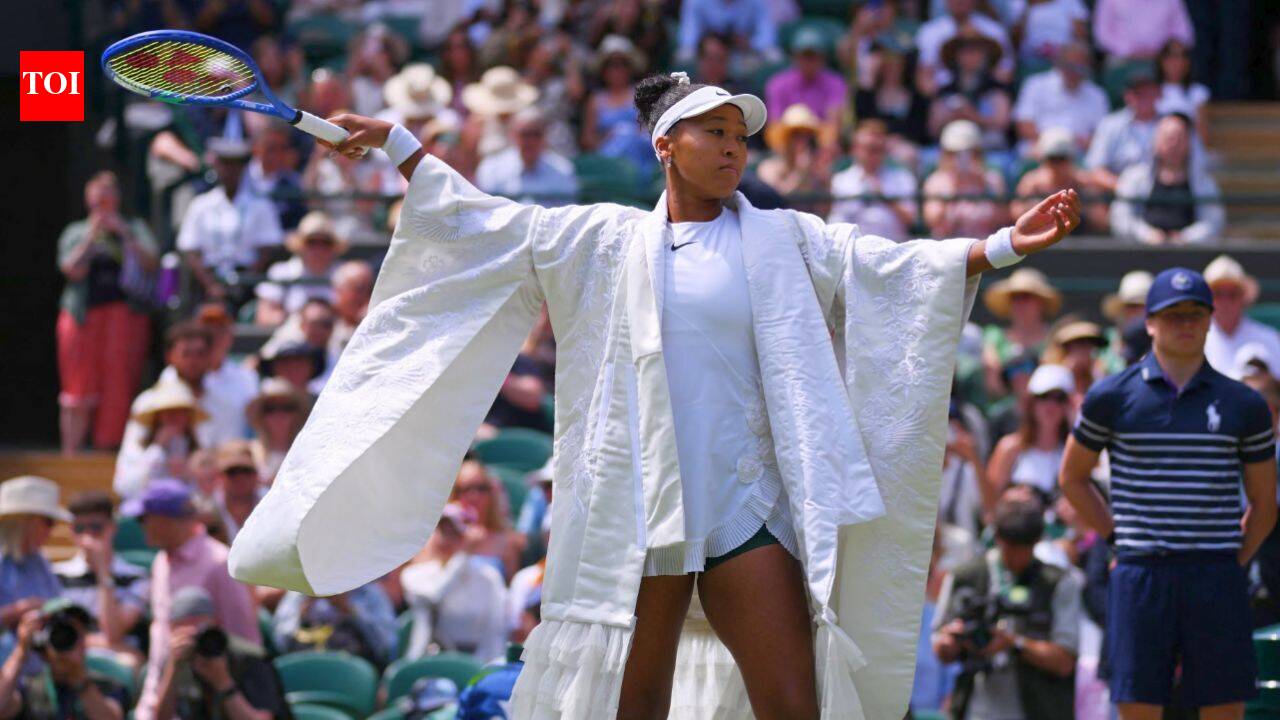
 Naomi Osaka admits she felt “really ashamed” after Swiatek humiliated her in Rome and shut out her entire team (Getty Images) Naomi Osaka is having the kind of grass-court run that nobody quite saw coming. The former world No. 1 beat top seed Aryna Sabalenka 6-2, 7-6(2) on Tuesday to reach her first-ever Grand Slam quarterfinal at Wimbledon, avenging three losses to the Belarusian this season in one clinical performance. And what triggered it all, Osaka says, was a humiliating loss in Rome and the shame she felt walking away from her own team without saying a word.
What did Naomi Osaka say about her mental shift after losing to Iga Świątek in Rome?
The turnaround has been remarkable by any measure. Naomi Osaka entered the Sabalenka match having not dropped a set all tournament, and she carried that momentum through a contest that looked, on paper, like the toughest possible draw. Sabalenka had beaten her 7-5, 6-3 at the French Open just weeks earlier and had won all three of their meetings this season. None of that mattered on Tuesday.The version of Osaka who showed up was different, more settled, more present. In her post-match press conference, she traced it back to a 6-2, 6-1 defeat to Iga Świątek at the Italian Open in May. It wasn’t the loss itself that hit hardest. It was what she did after.“I would say the people around me like even years ago tried to help me a lot. I think it came after Rome. I lost to Iga really badly and I felt like I just shut everyone out and I literally just got on a plane back home. It wasn’t the most professional thing to do. Like I didn’t talk to my team and I felt really ashamed about like what I did,” Osaka said.That moment of self-reflection, she explained, pushed her to rethink what she actually wants from tennis at 28. Her daughter Shai is with her at Wimbledon this fortnight, and the presence of family has clearly reframed how she’s approaching the whole experience.”I’m nearing 30. I really got to like enjoy the time that I have. Also, obviously tennis is very very important to me, but I have a life outside of that and I have to treasure tennis in the way that I can, which is not putting too much um importance on it,” she said.That quieter relationship with the sport seems to be giving her freedom. When the pressure of a result defines everything, it usually shows in tight moments. At Wimbledon, Osaka has looked remarkably unbothered.Next up is a quarterfinal against No. 10 seed Karolína Muchová, a match that carries its own subplot. The two met in the Bad Homburg Open final recently, where Osaka retired mid-match with a foot injury while trailing 6-1, 1-0. A healthy Osaka now gets the chance to finish that conversation. The winner faces either Coco Gauff or Jessica Pegula in the semifinals.
AloJapan.com