

And there’s a new answer on what to do about it: charge more to get in. And for some travelers, it’s going to be a lot more.
On June 19, Japan’s Cabinet approved a fivefold increase in visa fees. It’s the first increase to visa fees since 1978. If you’re visiting Japan for anything other than a short vacation, or traveling to Japan from select countries, the increase is real, and it’s coming fast. The new price structure raises the single-entry visa fee from ¥3,000 to ¥15,000 ($30 to $90), and the multiple-entry visa fee from ¥6,000 to ¥30,000 ($37 to $85). It’s a fivefold jump for each, and goes into effect for applications submitted from July 1 onward. The current prices have been in place since 1978.
Why now?

Women in Kyoto, Japan. Photo: Sorasak/Unsplash
Foreign Minister Toshimitsu Motegi announced the hike as a response to ongoing inflation pressures and a historically weak yen compared to other major currencies. That’s made travel to Japan more affordable for foreign visitors while simultaneously increasing administrative and tourism costs for Japanese authorities. While this is the first visa rate hike, Japan has charged an International Tourist Tax of ¥1,000 per person on every air and sea departure since January 2019. That departure tax is also set to go up, tripling to ¥3,000 per person starting July 2026. (The fee is automatically factored into fare costs.)
At the city level, Kyoto went further. Kyoto implemented a major overhaul of its hotel tax, raising fees based on nightly room rates. Now, in Kyoto, travelers staying at the most expensive hotels may pay up to ¥10,000 per night in taxes; it’s a tenfold increase over the previous top rate.
About 60 percent of the revenue collected will be used for overtourism countermeasures, while the other 40 percent is planned for broader nationwide needs, like education and infrastructure. The government is expecting the higher fees to increase revenue by ¥116.1 billion (about $718 million) in the 2026 fiscal year, which ends March 31, 2027.
Who has to pay the new fees?

China is one of the biggest inbound markets in Japan. Photo: kitzcorner/Shutterstock
This is where things get uneven, depending on where you’re from. If you’re a tourist from one of Japan’s 74 visa-exempt countries, including the US, the UK, Canada, Australia, and most of the EU, these increases don’t apply to you. Most visa-exempt travelers can enter for up to 90 days for tourism, business meetings, or family visits, with no cost or additional paperwork needed. The new fees will apply to all countries not on the visa-exempt list, including many Middle Eastern countries, China, and most countries in Africa. China is one of Japan’s largest inbound tourism markets, with 1,717,400 arrivals in the first five months of 2026 alone.
However, citizens of visa-exempt countries would still need to apply for a visa and pay the new fees if they’re coming for non-tourist reasons. A US citizen enrolling in a study abroad program or a Canadian arriving to teach English would be subject to the higher fees as of July 1.
Other destinations may follow suit
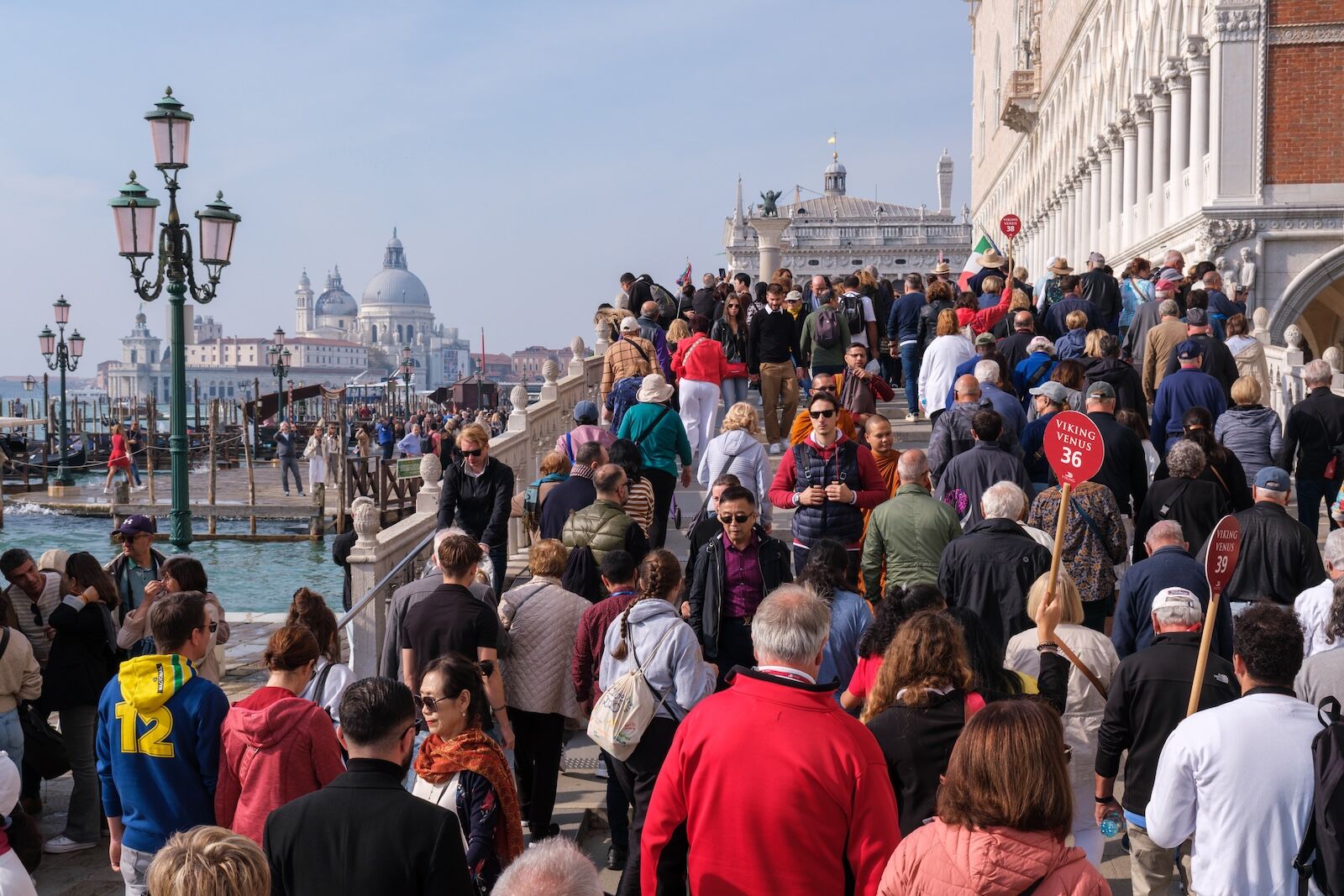
Tourists in Venice, Italy. Photo: Marc Bruxelle/Shutterstock
Japan isn’t alone in trying to increase revenue from visitors. Venice, the first city in the world to charge day-trippers an entry fee in 2024, is considering also raising its fees — and by much more than 500 percent. Newly elected mayor Simone Venturini recently said he’ll ask the Italian government for permission to raise the fee. Unlike Japan’s fee, the goal in Venice is partly to deter visitors, which Venturini claims isn’t happening under the current €5 to €10 fee. In 2025, more than 514,000 visitors paid the fee, about half of whom paid the higher fee rather than booking ahead to get a discount. While modest tourism taxes may help increase revenue, they don’t seem to do much to deter visitors — especially for travelers already spending thousands on international vacations.
How Japan’s fees compare globally

Thailand announced plans to start collecting a $9 tourism fee, but it’s not currently in effect. Photo: amnat30/Shutterstock
Japan has long charged comparatively low visa fees compared with most G7 countries. The US charges about $185 for a tourist visa, Canada charges CAD $100 (about $70) for a visitor visa, and the EU’s upcoming ETIAS authorization is likely to be €20 (about $23). Though it’s not in the G7, one of the highest visitor fees travelers have to pay, including most Americans, is New Zealand’s. It charges NZD $100 (about $57) for an “International Visitor Conservation and Tourism Levy” through its immigration department.
For many travelers, the difference will only be a small part of the cost of a trip to Japan. But for some cost-sensitive travelers, the cost may change the calculations when weighting a trip to Japan against destinations like South Korea, Thailand, Vietnam, Malaysia, or Singapore. 
AloJapan.com