
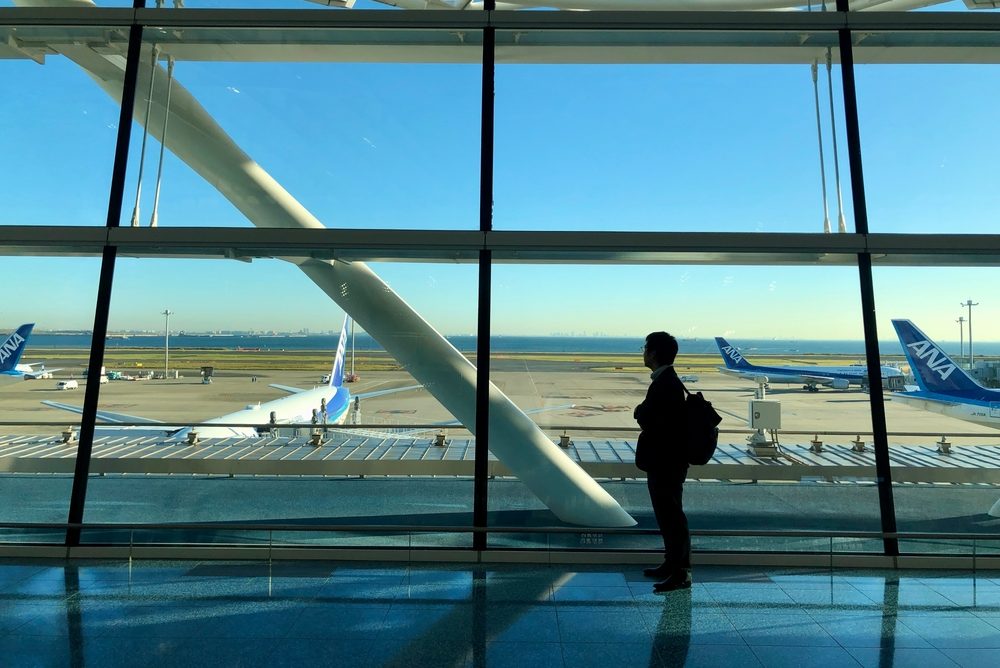
Photo: ninekrai / Shutterstock.com
Japan this week unveiled a price increase for its single-entry visa, the first price hike in nearly 50 years, and one that will see entry fees go up fivefold.
Starting on July 1, single-entry visas to Japan will go from 3,000 yen to 15,000 yen, about $18.50 to $92.00 in USD at today’s exchange rate. The increase was put in place because of exchange rate fluctuations and inflation, and to bring the cost to stay in Japan closer to that of other countries, including the U.K. and U.S., both of which charge much higher visa costs for short-term visitors.
The good news for Americans is that the U.S. is one of 74 countries that are exempt from short-term visa requirements for Japan. Americans, along with residents of Canada, the U.K., and Australia, do not need a short-term visa to enter Japan for a vacation of up to 90 days.
That means that even as the Japanese yen hovers near historic 40-year lows against the American dollar, Americans will still be able to visit Japan in record numbers without having to pay an extra fee. Visitors from other countries will have to pay the extra fee.
Japan has enjoyed a period of increasing popularity among American travelers. In 2025, Japan welcomed an all-time record of 3.3 million visitors from the United States. That’s up 21.4% compared to just the previous year, and a lot of that has to do with a consistently favorable exchange rate for Americans.
According to Mastercard’s Travel Trendlines, an overwhelming amount of international travelers (85%) say that they would choose a destination specifically to take advantage of favorable exchange rates. In the Americas alone, 70% of travelers say currency rates actively influence where they go, with that figure reaching 81% in Mexico and Colombia.
AloJapan.com