
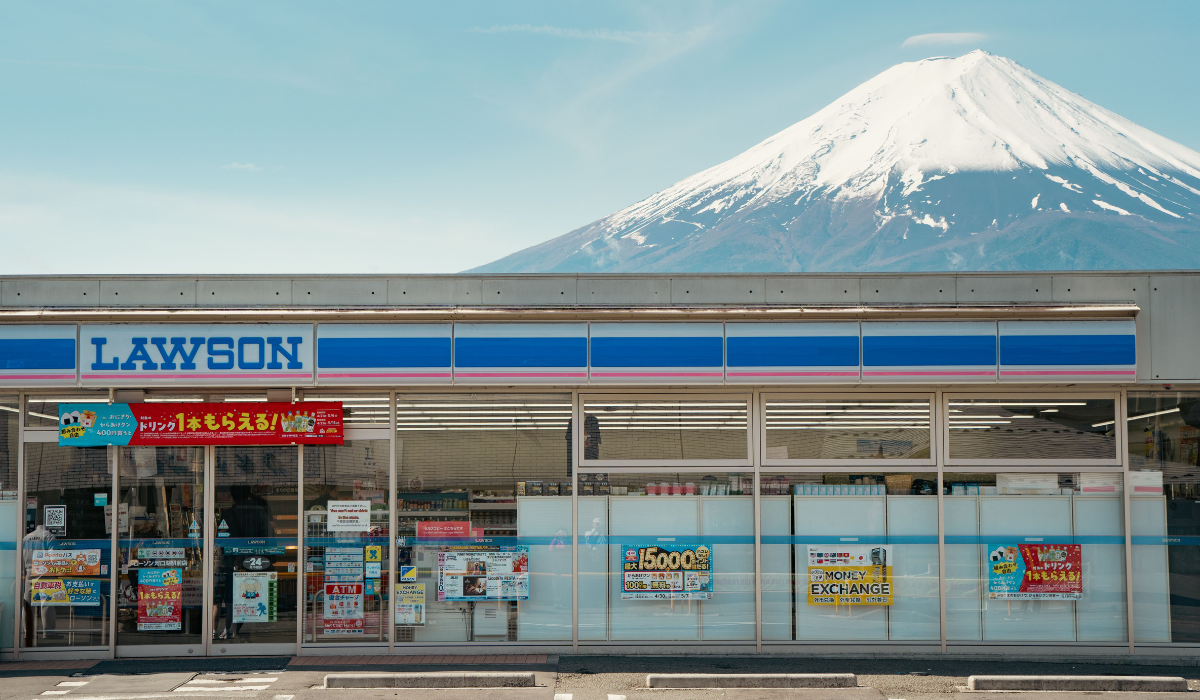
Japan is increasing its visa fees fivefold starting July 1. Here’s how much Filipino travelers can expect to pay, who will be affected, and how the Japan eVisa works.
Japan has long been one of the Philippines’ favorite international destinations, drawing millions of visitors each year with its efficient transport, world-famous cuisine, cherry blossoms, and shopping districts. Beginning July 1, 2026, however, a trip to the Land of the Rising Sun will come with a noticeably higher upfront cost for many foreign travelers.
 Chidorigafuchi, one of Tokyo’s most famous cherry blossom viewing spots, is lined with hundreds of sakura trees along the moat of the Imperial Palace.
The Japanese government has approved the first major revision of its visa issuance fees since 1978, increasing most visa charges by as much as five times. While the move applies globally to foreign nationals who require a visa, it has also prompted questions among Filipinos planning a holiday: Will this make Japan significantly more expensive? How much will travelers from the Philippines actually pay?
Here’s what you need to know:
Effective July 1, 2026, the official visa issuance fees will become:
Single-entry visa: from ¥3,000 to ¥15,000Multiple-entry visa: from ¥6,000 to ¥30,000Transit visa: from ¥700 to ¥3,500
The revised rates apply to visa applications lodged on or after July 1 and will be collected in the local currency of each country by Japanese diplomatic missions.
What does this mean for Filipino tourists?
The announcement may sound alarming at first, but Filipino travelers should understand one important distinction: the Japanese government’s visa issuance fee is only one part of the total application cost.
Applicants in the Philippines do not simply pay ¥15,000. Instead, the final amount may consist of:
the official Japanese visa issuance fee;VFS Global’s service fee (where applicable); andany processing or handling fee charged by an accredited travel agency if you choose to apply through one. Sapporo, the capital of Hokkaido, is known for its wide streets, winter scenery, fresh seafood, and the annual Sapporo Snow Festival.
In other words, the total amount paid by Filipino applicants can vary depending on where and how they submit their application.
Those planning trips later this year should also prepare for possible peso adjustments, as visa fees are collected locally and may change depending on the prevailing exchange rate.
Despite the increase, Philippine tourism stakeholders believe Japan will likely remain one of the country’s most popular outbound destinations, thanks to a relatively weak yen, frequent seat sales from airlines, and the country’s enduring appeal among Filipino tourists.
The increase isn’t just for Filipinos
The revised fees apply to all foreign nationals who require a visa to enter Japan, not just Philippine passport holders.
Travelers from countries that enjoy visa-free access—such as the United States, Canada, the United Kingdom, Australia, Singapore, and most European Union member states—will not be affected because they generally do not need to apply for short-term tourist visas.
 Osaka Castle is one of Japan’s most iconic landmarks, originally built in the late 16th century and surrounded by expansive gardens that are especially popular during cherry blossom season.
Instead, the higher fees primarily affect nationals from visa-required countries across Asia, Africa, the Middle East, and parts of Latin America.
Japanese officials have said they do not expect the increase to significantly reduce inbound tourism, noting that international arrivals have remained strong despite rising travel costs in recent years.
Japan eVisa is available for Filipinos
One positive development for Philippine travelers is that eligible applicants can now apply through the Japan eVisa system instead of relying solely on traditional sticker visas.
The Japan eVisa is currently available for Philippine passport holders residing in the Philippines who are applying for a short-term tourism visa and meet the eligibility requirements set by the Embassy of Japan (those who participate in a packaged tour organized by designated travel agencies).
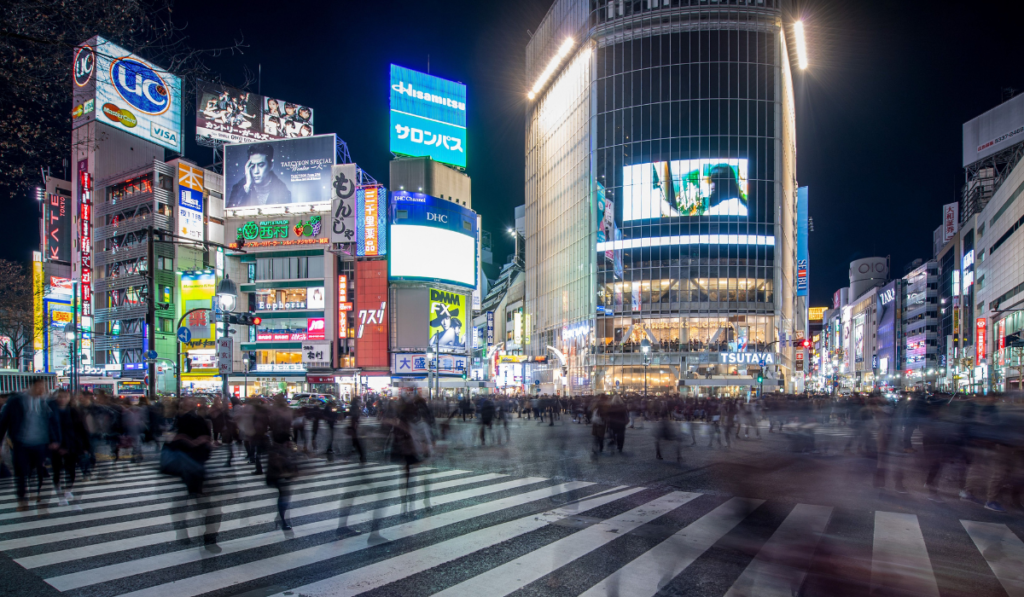 Shibuya Crossing is one of the world’s busiest pedestrian intersections, where thousands of people cross from multiple directions every time the traffic lights change.
Applications are completed online through the official Japan eVisa portal. Once approved, applicants receive a Visa Issuance Notice instead of a physical visa sticker. Travelers must present this digital notice upon departure and arrival in Japan.
Applicants should note that not every visa category qualifies for eVisa processing. Those applying for business, work, study, or other long-term visas may still need to follow traditional application procedures.
See also
 Where can Filipinos apply?
The Embassy of Japan advises applicants to submit visa applications only through its official channels.
These include:
VFS Global Philippines, Japan Visa Application CentreEmbassy-accredited travel agencies listed on the Embassy’s official website
The Embassy regularly updates its roster of accredited agencies, so travelers are encouraged to verify the latest list before submitting their documents rather than relying on unofficial travel groups or social media recommendations. General visa information is also available through the Embassy’s Visa and Consular Services page.
Will Filipinos still visit Japan?
For many travelers, the answer will likely remain yes. Although the new visa fee represents a significant increase on paper, it still accounts for only a small portion of an overseas travel budget that includes airfare, accommodation, food, transportation, and shopping. Airline seat sales and Japan’s relatively favorable exchange rate continue to make the country an attractive destination for Filipinos.
For travelers planning to visit more than once over the next few years, a multiple-entry visa may also become a more practical option despite its higher issuance fee.
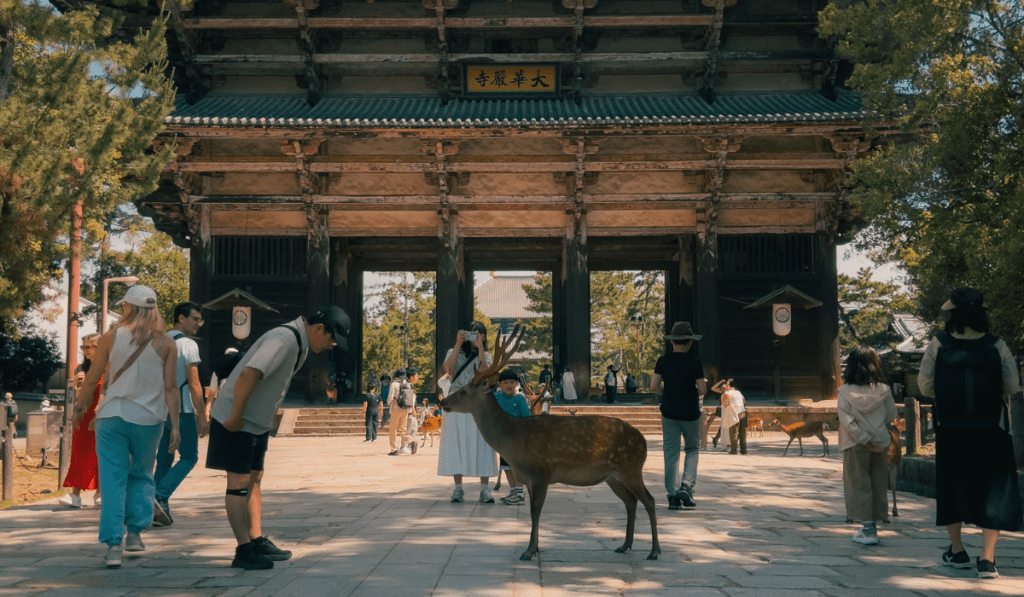 Nara Park is home to more than 1,000 free-roaming deer, considered sacred messengers in Shinto tradition, and is one of Japan’s most popular cultural and historical attractions.
The key is to budget accordingly, apply through official channels, and stay updated with the Embassy of Japan’s latest advisories before finalizing travel plans.
As Japan continues modernizing its visa system through digital services like eVisa while simultaneously increasing application fees for the first time in nearly five decades, Filipino travelers can expect a more streamlined—but also slightly more expensive—journey toward one of Asia’s most sought-after destinations.
Photos from Pexels
Related story: 4 new travel rules to know if you’re visiting Japan in 2026
Related story: Japan visa made simple: Expert tips straight from the Embassy
AloJapan.com