
Published on June 21, 2026
European travel networks are expanding cultural and culinary borders as Slovakia launches a new campaign targeting East Asian markets on June 21, 2026. By establishing a dedicated representative office in Japan, the Central European nation aims to promote wine tourism in Slovakia alongside historic regional players like Austria, Hungary, and the Czech Republic. Travelers interested in unique gastronomic journeys can now explore specialized vineyard itineraries that pair ancient winemaking traditions with delicate Asian cuisine.
Quick Summary
Overseas Presence Established: The Slovak Association of Grape Growers and Wine Producers has opened its first international representative office in Japan.
Ancient Roots: Slovakia’s wine heritage dates back over 2,000 years, characterized by unique cool-climate, mineral-rich white wines.
Gastronomic Compatibility: Slovak wines naturally complement delicate Japanese dishes, creating new opportunities for premium culinary travel.
Niche Destination Appeal: Travelers looking to escape crowded traditional regions in France and Italy are increasingly turning to Central Europe’s boutique wineries.
Broad Itineraries: New routes link southern Slovakia’s vineyards with castles, UNESCO heritage sites, wellness resorts, and historic medieval towns.
The Slovak Association of Grape Growers and Wine Producers has launched this diplomatic and commercial push to elevate the nation’s profile in sophisticated global markets. Tourism promotion boards are focusing on experiential travel, where visitors can combine historical exploration with premium culinary experiences. This strategy aims to shift visitor flows toward emerging European hubs, positioning Slovakia as a leading choice for travelers seeking authenticity, heritage, and affordable travel.
Event and Incident Details: Slovak Producers Establish Overseas Office to Boost Wine Tourism in Slovakia
Slovakia has formally expanded its travel and agricultural diplomacy by establishing the first overseas office of the Slovak Association of Grape Growers and Wine Producers in Japan. This initiative serves as a primary bridge to link international travel, cultural exchange, and high-end gastronomy. By hosting educational wine workshops, trade tastings, and sommelier partnerships, Slovak representatives hope to inspire more Japanese tourists to plan dedicated vacations to Central European vineyards. Tourism campaigns will receive active support from the official national promotion portal Slovakia Travel.
The geographical layout of Slovakia’s vineyards provides a scenic backdrop for these new travel offerings. Although Slovakia occupies only about 60 percent of the total land area of Japan’s northern island of Hokkaido, its vineyards extend across much of the country, with a heavy concentration in the southern regions. These southern zones benefit from favorable microclimates and mineral-rich soils, producing white wines with a clean, mineral character.
The table below outlines the core features of the Slovak wine industry and its primary travel appeal:
Key Category
Industry and Gastronomic Details
Travel and Tourism Benefits
Winemaking History
Over 2,000 years of active grape cultivation
High cultural and historical value for visitors
Primary Vineyard Zones
Concentrated in Southern Slovakia
Scenic countryside tours and medieval town walks
Core Wine Varieties
Mineral-rich, crisp white wines
Complements seafood and delicate flavors
Climate Characteristics
Cool continental climate
Gradual grape maturation, preserving elegance
Regional Competitors
Austria, Hungary, France, Italy, Czech Republic
Offers a less crowded, boutique alternative
Bilateral Partnerships
First overseas representative office in Japan
Connects Asian consumers with local growers
Risk and Impact: Navigating Market Competition and Geographic Scale in Wine Tourism in Slovakia
Establishing a new destination brand in a highly competitive market like Japan carries several challenges and strategic adjustments that tourism operators must consider:
Iconic Hotspot Competition: Slovakia must compete for visitor attention with established wine giants like France, Italy, Austria, Hungary, and the Czech Republic.
Geographic Scale Limitations: The country’s relatively small size—just 60 percent of Hokkaido’s land area—means production volumes are naturally limited compared to larger nations.
Niche Production Focus: Because local producers prioritize quality over mass production, marketing efforts must target premium, boutique travelers rather than mass tourism.
Flavor Profile Specificity: The market appeal depends heavily on educating consumers about pairing mineral-rich whites with delicate seafood, which requires sustained sommelier collaborations.
Travel Infrastructure Gaps: Smaller, family-owned wineries in rural villages may face language barriers and require structured tour guides to accommodate international guests.
What Authorities and Industry Leaders Are Saying
Slovak tourism officials and agricultural diplomats emphasize that culinary diplomacy is a powerful tool to drive international travel. Representatives from the Slovak Association of Grape Growers and Wine Producers stated that the new Tokyo office will focus on establishing trade partnerships with premium restaurants, wine retailers, and travel agencies. By building local awareness first, they aim to create a natural pull factor that encourages premium travelers to visit the vineyards in person.
In addition, representatives from the Japan Tourism Agency note that Japanese travelers are increasingly moving away from crowded tourist hotspots, showing a growing preference for regional, slow-tourism experiences. Travel agency planners suggest that Slovak boutique wineries, which offer intimate, family-led tastings and affordable travel packages, align perfectly with this shifting consumer demand in the post-pandemic era.
Practical Traveler Advice: Planning a Wine and Gastronomy Tour in Slovakia
For travelers looking to explore Slovakia’s emerging wine regions, the following guidelines ensure an authentic and well-organized journey:
Focus on Southern Slovak Routes: Plan your itinerary around the southern regions, where the most established vineyards and historic cellars are located.
Book Boutique Cellar Tastings Early: Because many Slovak wineries are small, family-run operations, arrange tastings and estate visits in advance.
Combine Travel with Cultural Heritage: Choose routes that connect vineyard visits with local castles, wellness resorts, and historic medieval towns.
Use Local Rail and Road Connections: Renting a car or utilizing regional trains allows you to explore rural villages that are inaccessible via major tour buses.
Seek Gastronomic Pairings: Visit traditional restaurants that offer local white wines paired with freshwater fish, seasonal vegetables, and Slovak cheeses.
Broader Context: Central European Tourism Growth and Cultural Diplomacy
The expansion of wine tourism in Slovakia reflects a broader trend where international travelers are moving beyond traditional Western European destinations. Countries like Austria, Hungary, and the Czech Republic have successfully used their agricultural heritage to build robust tourism economies. Slovakia’s over 2,000 years of winemaking history provides it with the cultural authority to participate in this regional expansion, offering a fresh alternative for repeat visitors to Europe.
Furthermore, integrating local gastronomy with historical exploration helps distribute tourism revenue to rural communities, supporting sustainable tourism development. Many of Slovakia’s primary wine routes pass close to designated UNESCO World Heritage Centre sites, castles, and traditional villages, making it easy for travelers to combine cultural education with culinary leisure.
What to Expect Next / Looking Ahead
Over the coming months, the Slovak Association of Grape Growers and Wine Producers will launch a series of promotional events, sommelier masterclasses, and trade tastings in major Japanese cities. Travel agencies are expected to introduce specialized Central European itineraries that include Slovakia alongside Austria and Hungary. As trade relationships strengthen, local wineries will continue to adapt their visitor services to welcome an increasing number of Asian cultural explorers.
Conclusion
Slovakia’s strategic expansion into the Japanese market marks an exciting milestone for the country’s global travel presence. By promoting its ancient winemaking traditions, mineral-rich white wines, and scenic southern vineyards, the nation is successfully positioning itself as a premium culinary destination. As international travel preferences shift toward authentic and less crowded European experiences, Slovakia’s wine regions are well-positioned to welcome the next generation of gastronomic travelers.
Related Travel Guides
Disclaimer: Vineyard opening hours, wine tasting availabilities, and regional travel itineraries are subject to seasonal changes and local regulations. Travelers should confirm reservation details directly with estate owners and local tourism bureaus prior to departure.
FAQ: Slovakia Wine Tourism and Gastronomic Travel
Why is Slovakia establishing a wine representative office in Japan?
Slovakia aims to increase global awareness of its boutique wineries, build trade relationships, and encourage Japanese travelers to explore its historic wine regions.
How old is the winemaking heritage in Slovakia?
Slovakia possesses a rich winemaking heritage that dates back over 2,000 years, characterized by cool-climate cultivation.
Why do Slovak white wines pair well with Japanese cuisine?
The cool climate allows grapes to mature gradually, resulting in white wines with high minerality, balanced acidity, and freshness that complement seafood and vegetables.
Where are the most popular Slovak vineyards located?
The majority of the country’s vineyards are situated in the southern regions of Slovakia, where favorable microclimates support high-quality grape cultivation.
What attractions can travelers experience on Slovak wine routes?
Slovak wine routes connect vineyard visits with historic castles, UNESCO heritage sites, traditional rural villages, wellness resorts, and medieval towns.
Suggested SEO Metadata (for editorial reference)
Meta Title: Slovakia Wine Tourism Expansion to Japan 2026
Meta Description: Slovakia establishes its first overseas wine office in Japan to promote wine tourism in Slovakia, targeting premium culinary and cultural travel.
URL Slug: slovakia-wine-tourism-expansion-japan-2026
Article Tags: wine tourism in Slovakia, Slovakia Japan tourism, Central Europe travel, culinary travel 2026, travel alert
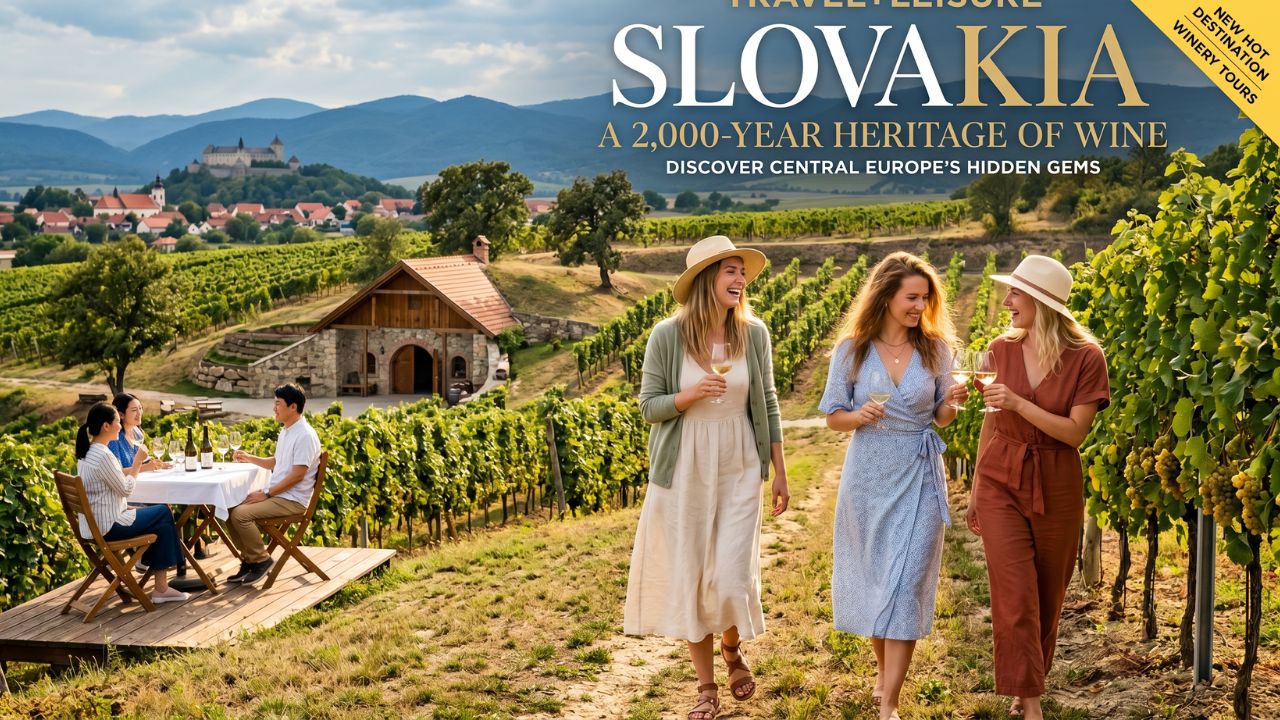
Featured Image Alt Text: A scenic view of lush Slovak vineyards under a blue sky, representing wine tourism in Slovakia and local heritage.
AloJapan.com