
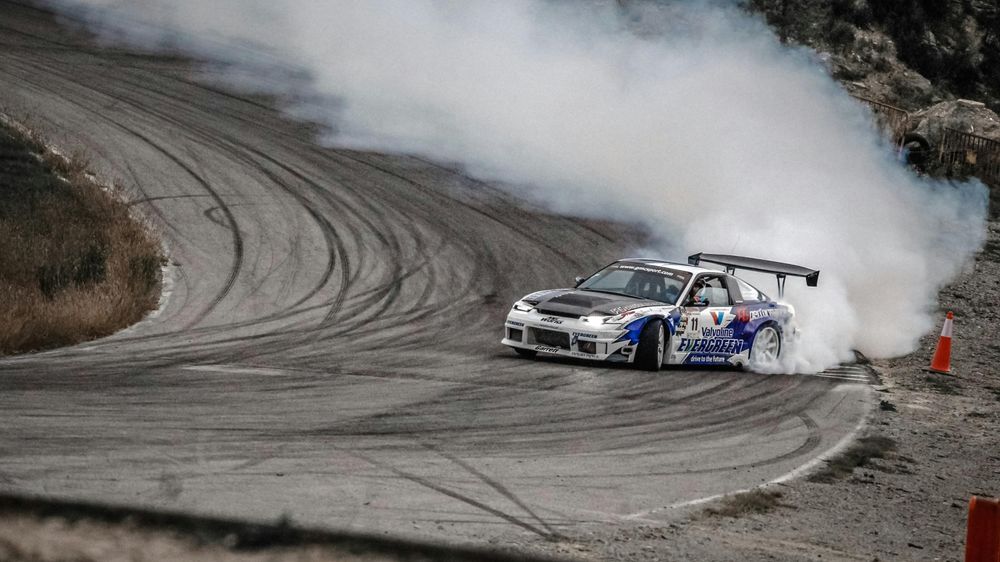
Japan’s famous drift culture is attracting a new wave of travellers looking for experiences beyond traditional sightseeing.
This month, Uber launched Uber Drift, a limited-time experience that gives visitors the opportunity to ride alongside professional drift drivers at the Mobara Twin Circuit in Chiba Prefecture, on the outskirts of Tokyo.
Available until July 1, the experience can be booked through the Uber app and includes return transportation from Tokyo to the circuit, where guests can experience high-speed drifting in competition-prepared Japanese sports cars.
The launch forms part of a growing trend in travel, where visitors are increasingly seeking immersive experiences tied to local cultures, hobbies and sporting communities.
Why Japan’s drift culture captivates visitors
Drifting is one of Japan’s most recognised motorsports. The technique involves intentionally oversteering a vehicle to break rear-wheel traction, allowing drivers to slide through corners while maintaining control.
The sport traces its roots back to Japan’s mountain roads during the 1970s and 1980s, where street racers developed the technique on winding routes known as touge.
Over time, drifting evolved into a competitive motorsport focused on style, precision and car control.
Global interest in the sport surged following the release of “The Fast and the Furious: Tokyo Drift” in 2006, which introduced international audiences to Japan’s underground automotive culture and modified car scene.
Today, motorsport enthusiasts travel to Japan to attend drift events, visit famous circuits and experience the birthplace of a sport that has become a worldwide phenomenon.
Motorsport tourism beyond Japan
While Japan remains synonymous with drifting, it is not the only destination offering automotive experiences for travellers.
In South Africa, Soweto has become internationally recognised for its spinning and drifting culture.
Attractions such as the Soweto Drift Academy give visitors an opportunity to experience a uniquely South African motorsport tradition, spinning, while learning about the skill and discipline required behind the wheel.
Spinning, which involves drivers performing controlled manoeuvres and doughnuts in modified vehicles, has evolved from a township pastime into a recognised motorsport and cultural attraction.
Events regularly draw large crowds and have become an important part of South Africa’s automotive identity.
Elsewhere, experiences such as the Porsche Track Experience and BMW M Track Days allow participants to drive high-performance vehicles on professional circuits under expert instruction.
In the United States, attractions such as Exotics Racing in Las Vegas offer visitors the chance to drive or ride in supercars and drift vehicles on purpose-built tracks.
Together, these experiences highlight the growing popularity of motorsport tourism across the globe.
The rise of experience-led travel
Travel trends increasingly show visitors prioritising experiences over traditional sightseeing, whether through food, adventure activities, wildlife encounters or motorsport events.
For automotive enthusiasts, opportunities to drive performance vehicles, visit iconic circuits or experience professional drifting provide a different way of engaging with a destination and its culture.
As destinations continue to expand their tourism offerings, motorsport experiences – from the drifting circuits of Japan to the spinning arenas of Soweto – are becoming another way for travellers to explore local culture from behind the wheel.
AloJapan.com