
Travelers may have heard a rumor about Japan that turned out to be true when they visited: there are strangely few trash cans available for the public to toss garbage while walking around. However, littering is not acceptable just because garbage bins are scarce — and one district has introduced a new fine to make that message clear.
Shibuya, one of Tokyo’s busiest and most famous districts, has had enough of litterbugs. As Japan continues to deal with record tourism and growing complaints about overcrowding, public drinking, and littering, a new anti-littering campaign aims to make those who fail to properly dispose of their trash pay on the spot.
The BBC reported that the new campaign doesn’t shy away from targeting foreign visitors, with the blunt English-language slogan: “If you throw trash, you lose cash.” Under the new rule, anyone caught littering in Shibuya can be fined 2,000 yen, or roughly $13, on the spot.
The fine applies to everyone, including locals and foreign visitors, but it is especially relevant to U.S. tourists, as Japan is one of the most in-demand international destinations for Americans in 2026. In March 2026 alone, Japan recorded an estimated 3.6 million international arrivals, including 375,900 visitors from the United States.
The fine isn’t high compared to other tourist penalties around the world. But Shibuya is one of Tokyo’s most bustling visitor zones, and officials are reportedly deploying up to 50 multilingual staff to enforce the rules, meaning the campaign will most likely generate meaningful revenue if enough violators get caught.
Shibuya Is Fining Tourists And Locals For Littering

Pedestrians at Shibuya Crossing in Tokyo, Japan. The intersection is one of the busiest and most famous scramble crosswalks in the world.Credit: Dreamstime
Shibuya’s new anti-littering rule began at the start of June, according to the BBC. Anyone caught littering will be required to fork over 2,000 yen ($13) on the spot via cash, credit card, or QR codes.
The initiative is part of Shibuya’s effort to clean up one of Tokyo’s most heavily visited neighborhoods while also better controlling the influx of foreign visitors. Shibuya is home to the famous scramble crossing, major shopping streets, nightlife areas, restaurants, bars, and cultural landmarks. With tourists spending hours walking the streets, eating, drinking, shopping, and snapping photos, there is more opportunity to catch litterbugs in the act.
Litter has become more noticeable in Shibuya since the pandemic, with officials linking the problem to nightlife, public drinking, tourism, and the sheer number of people moving through the area.
Japan’s Trash Bin Problem Is Part Of The Travel Challenge
Aside from the increase in visitors, there’s another issue making litter a rising problem in Shibuya. One thing travelers need to know about Japan before they visit is that public trash cans can be difficult to find.
Japan is famously clean, but trash cans aren’t always readily available. In fact, the lack of public garbage bins has become one of the biggest inconveniences for foreign visitors. A government survey last year found that more than 20% of roughly 4,000 foreign visitors mentioned the shortage of garbage cans as their top inconvenience.
Part of the reason they’re few and far between is because of safety concerns after past terror attacks in Japan and abroad. As a result, Japanese culture has evolved to expect people to take trash with them rather than dispose of it immediately in public spaces.
For tourists, that can seem like a pain. Convenience stores, vending machines, street snacks, and takeaway shops are everywhere in Tokyo, but public trash receptacles aren’t. A traveler can easily end up holding on to a bottle, napkin, or food wrapper for longer than expected.
Shibuya officials have pushed back against the idea that a lack of bins excuses littering. According to the BBC report, authorities said, “We cannot tolerate littering simply because there are no rubbish bins,” adding that they were asking for cooperation in creating a city “where everyone can enjoy themselves comfortably.”
Japan’s Tourism Boom Is Making Local Rules More Visible

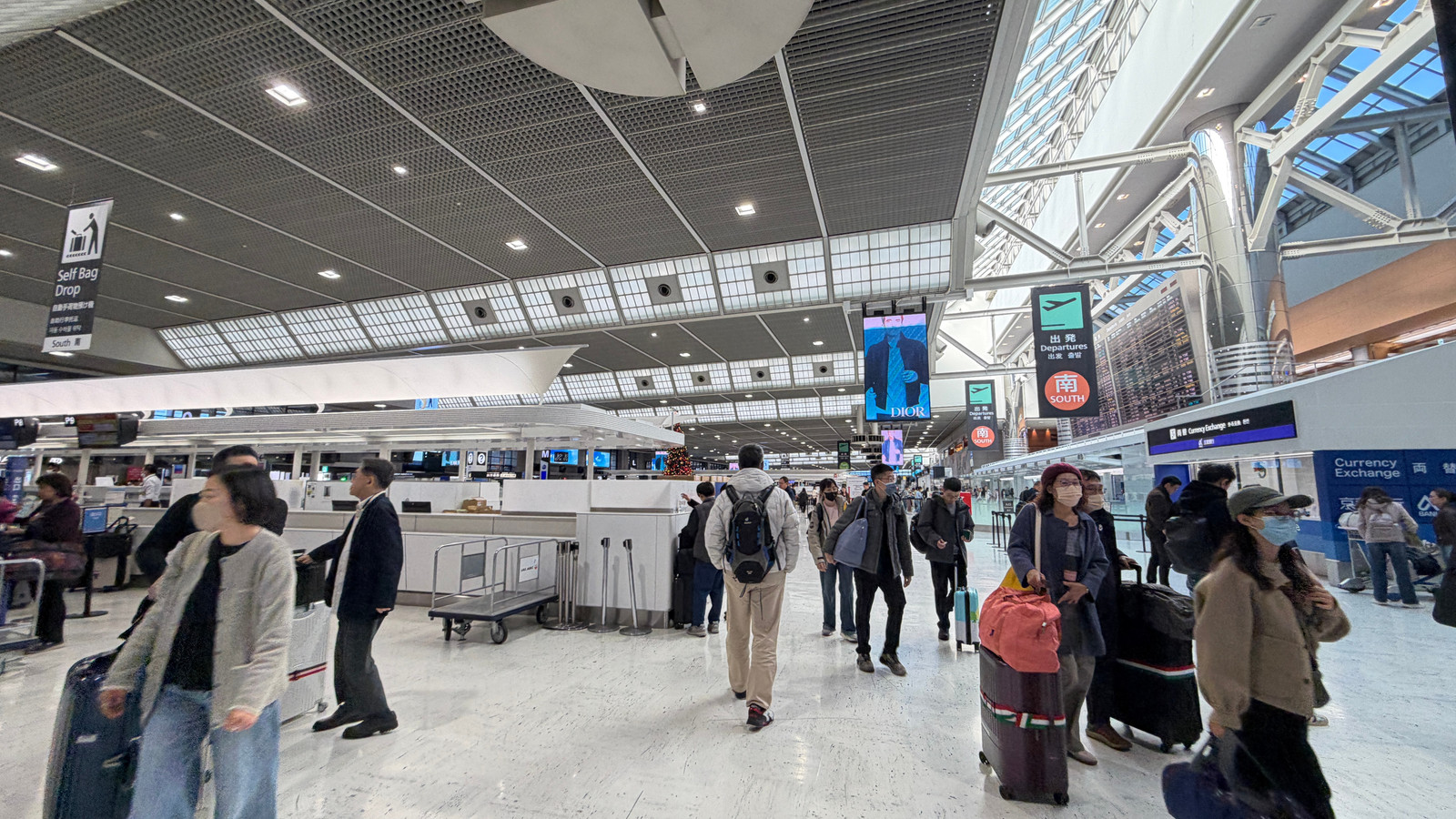
Travelers line up behind terminal 2 of Tokyo International Airport in JapanCredit: Takashi Images/Shutterstock
Japan has been experiencing a major tourism boom. Japan National Tourism Organization data, compiled by JTB Tourism Research & Consulting, estimated 3,618,900 international travelers visited Japan in March 2026, up 3.5% from the previous year. For January through March 2026, the country had already recorded 10,683,481 overseas visits.
Japan also welcomed a record 42.7 million foreign tourists in 2025, according to reports on the new Shibuya fine.
That surge has helped Japan’s hotels, restaurants, shops, rail operators, attractions, and regional destinations. But it has also intensified complaints about overtourism in places such as Tokyo, Kyoto, Osaka, Mount Fuji communities, and other high-profile visitor areas. Some areas, like Fujiyoshida, have even canceled local festivals because the crowds are too overwhelming. Japan is also raising fees for visitors to help offset the side effects of increased tourism. Recently, Japan also introduced higher hotel taxes for visitors to the iconic city of Kyoto.
Japan’s appeal isn’t going anywhere. The Japan Times reported, citing the Canada-based World Travel Index, that Japan ranked as the top global tourism destination for 2026 and was described as having the best conditions for a good travel experience.
“Japan was our No. 1 ranked country in 2025 as well, with a score of 86.65,” says Tom Abraham, a director at World Travel Index. “What’s significant this year is that its score increased to 88.33. This isn’t just a case of holding the top spot — the data shows that the gap between Japan and the other top contenders is actually widening.”
That popularity is exactly why rules like Shibuya’s are surfacing. When visitor numbers rise, small behaviors, like littering, become bigger problems. A few people leaving cans or wrappers behind may be manageable. But thousands of daily visitors doing the same thing becomes a much bigger issue.
What American Tourists Should Do In Tokyo

Shibuya Crossing in Tokyo, JapanCredit: Shutterstock
For Americans visiting Tokyo, the easiest way to avoid the fine is to carry a small trash bag or keep wrappers and bottles in a backpack until coming across a designated trash receptacle.
Convenience stores sometimes have trash cans, though they may be intended for items purchased there. Train stations, hotels, department stores, and some public facilities may also offer places to dispose of trash. But travelers shouldn’t assume every street, plaza, or park will have a public garbage bin nearby.
Visitors should also avoid leaving trash next to vending machines, on benches, near station exits, or around public drinking areas. That counts as littering and, in Shibuya, can result in a fine.
Japan’s cleanliness depends partly on visitor cooperation. Tokyo may feel exceptionally orderly to Americans, but that also comes with the expectation of respecting the local culture and customs. The last thing American guests should want is for their behavior to make Japanese residents prefer that they not visit at all.
For a destination as popular as Japan, Shibuya’s new fine could even be a sign of things to come. The country still wants tourists, but it’s making it clear that visitors are expected to follow local rules.
AloJapan.com