
Twenty-four years in, Art Osaka shows no signs of slowing down. Japan’s oldest contemporary art fair reinvented itself in 2026 with a move to Grand Green Osaka, the gleaming development that has rapidly become one of the city’s most talked-about cultural destinations. The relocation to the Umekita district, a neighbourhood still finding its identity amid cranes and ambition, feels less like a statement of intent, and more like Art Osaka staking its claim on the future.
As has been the case for several years now, the fair ran across two venues and two distinct personalities. The Galleries Section occupied the fourth and fifth floors of Grand Green’s Congress Square from May 29 to 31, and brought together 60 galleries from six countries and 15 cities – the most international line-up in the fair’s history.
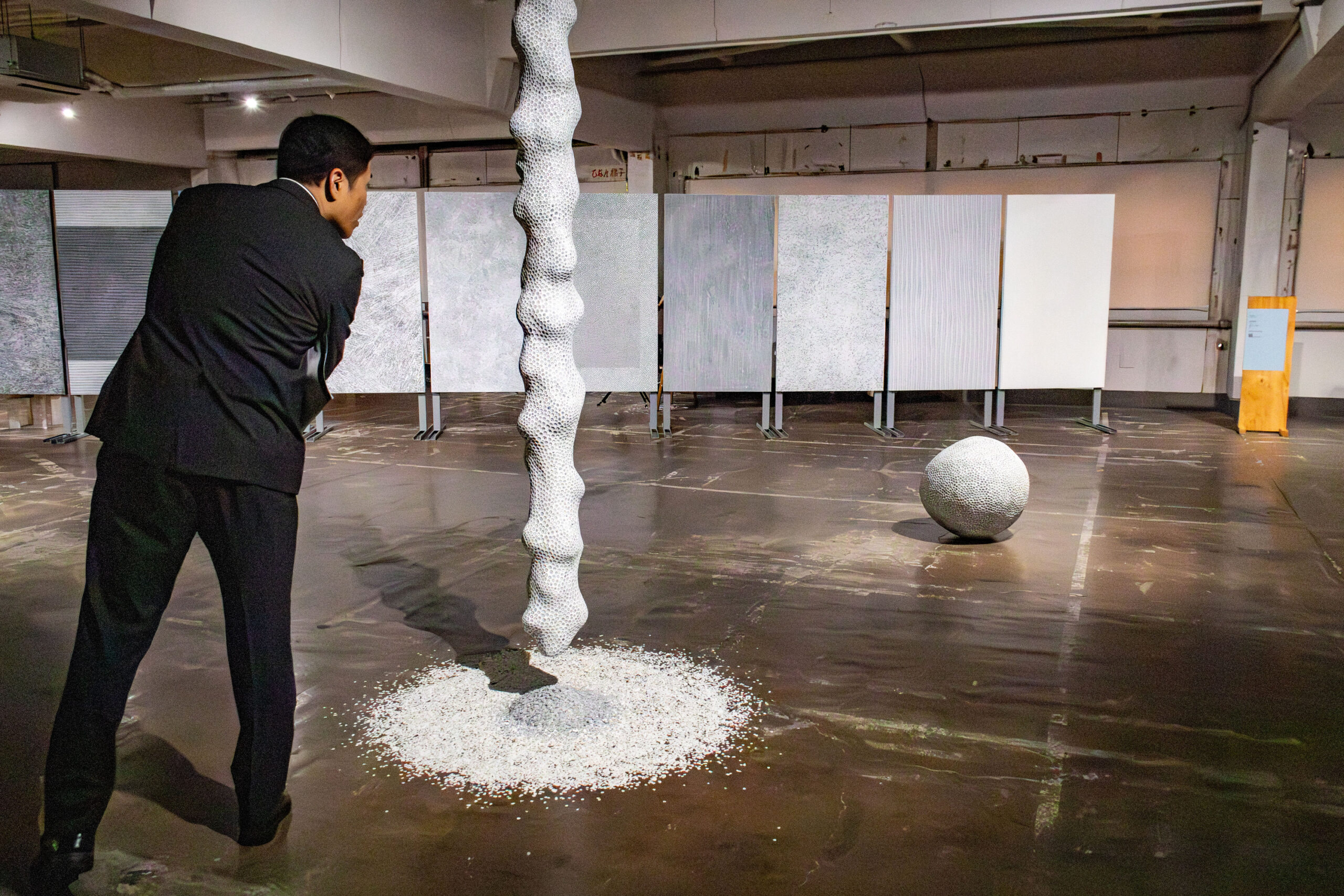
Meanwhile, the Expanded Section, which opened a day earlier on May 28 and ran through June 1, returned to its spiritual home at Creative Center Osaka, the atmospheric former shipyard in Kitakagaya whose cavernous industrial spaces have long proved irresistible to artists working at scale.
Together, the two venues held the commercial and the experimental in productive tension, giving equal weight to the gallery booth and the site-specific installation, as well as to the established collector and the first-time visitor still working out their thoughts.
RECOMMENDED: 12 best things to do in Nakanoshima: museums, restaurants, coffee and more
AloJapan.com