

Expo 2025, which attracted 29 million visitors to Osaka over 184 days, generated an estimated economic impact of 3.6 trillion yen (US$22.56 billion), according to the Japanese government.
The event delivered an immediate boost to international tourism. Edouard Tripkovic Katayama, a consultant at JTB Tourism Research & Consulting, said the Expo drove longhaul travel linked to a once-in-a-generation event, encouraged longer stays combining Osaka with destinations such as Kyoto, Nara, Hiroshima and Tokyo, and increased international visibility through high-level diplomatic visits.
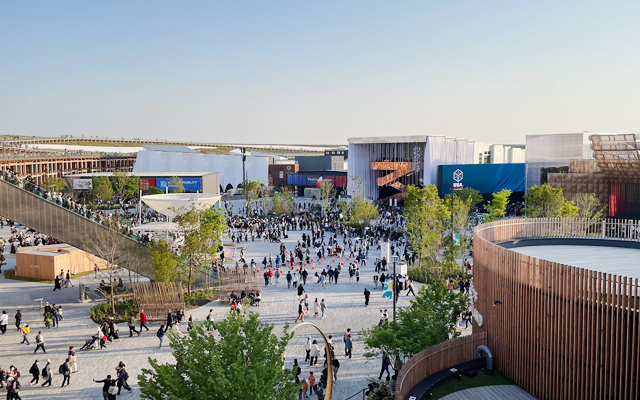 Infrastructure upgrades linked to Expo 2025 are expected to strengthen Osaka and the Kansai region’s appeal to international visitors
Industry observers now expect the Expo to leave a lasting legacy for Osaka and the wider Kansai region as inbound tourism destinations.
Four years before the event, Japan’s Ministry of Land, Infrastructure, Transport and Tourism launched plans to improve infrastructure and tourism attractions around Yumeshima, the artificial island in Osaka Bay that hosted the Expo, as well as across the city.
“Hosting the Expo led to improved transportation access, which in turn advanced infrastructure development,” said Expo 2025 secretary general Hiroyuki Ishige, citing the extension of the Osaka Metro’s Chuo Line to a new station on Yumeshima, which provides direct access from central Osaka to the bay area in 30 minutes.
Services on the Chuo Line have also been increased, reducing intervals between trains to 2.5 minutes, while platform doors have been installed across all subway stations. Road infrastructure was upgraded as well, with the expansion of the Yumemai and Konohana bridges and surrounding roads to ease congestion.
Kansai International Airport completed a major renovation of Terminal 1 ahead of the Expo, increasing annual capacity to 40 million passengers. The project expanded the international departures area by 60 per cent, introduced smart security lanes and created Japan’s largest walk-through duty-free area.
At Osaka Port, the Tempozan Wharf passenger terminal was redeveloped to accommodate Expo-related traffic. The three-storey facility offers upgraded customs, immigration and quarantine processing, while port enhancements enable faster turnaround for large cruise ships.
The city has also strengthened its position as a waterfront destination through new cruise experiences on the Yodo River and Osaka Bay, as well as sightseeing services connecting Osaka with nearby destinations such as Kobe and Awaji Island.
Ishige described the developments as a catalyst for medium- to long-term growth, supporting regional revitalisation across Japan.
Yumeshima’s transformation is continuing beyond the Expo. The northern section of the island is being developed into a 492,000m² integrated resort project valued at around US$10 billion.
The development will include a casino, three hotels – MGM Osaka, MGM Villas and Musubi Hotel – with a combined 2,500 rooms, as well as 30,000m² of exhibition space, 37,000m² of conference facilities and a 3,500-seat theatre. Dining, retail, wellness facilities and a tourism concierge promoting travel across Kansai’s seven prefectures will also form part of the project.
Scheduled to open in autumn 2030, the resort is expected to attract 20 million visitors annually, including six million international travellers.
AloJapan.com