
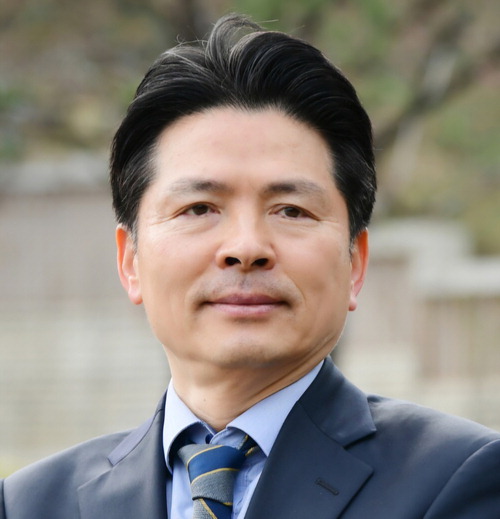
 사진 확대 Consul General of the Republic of Korea Jang Yong-soo, Jusaporo
Korean tourists visiting Japan are constantly visiting. Traveling to nearby and familiar neighboring countries is always exciting, but unfamiliar environments always carry unexpected risks.
Recently, there have been a lot of things to be careful about during a trip to Japan. News of the appearance of bears in forests or trails, stricter bicycle operation regulations, and the collection of accommodation taxes implemented by various local governments are a number of information to be prepared before traveling. The possibility of an earthquake that always exists is also something to keep in mind.
However, there is a fatal risk that many travelers overlook. It’s called “Heat Shock.” Heat shock is a symptom in which blood pressure changes rapidly after a hot spring bath, resulting in myocardial infarction or cerebral infarction.
Hot springs, which are considered the highlight of Japanese travel, raise expectations, especially for family travelers accompanied by the elderly. However, warm hot spring baths sometimes turn into tragedies. According to statistics, as many as 60% of the deaths of travelers who visited Hokkaido in the past decade were counted as hit companies. Following Kyushu and Sapporo in 2023, unfortunate accidents caused by the Korean people’s hit shocks continue to occur in 2024 and 2025. It is mainly concentrated between November and February, when the temperature difference between the hot spring and the hot spring is large, but in fact, it is an accident that cannot be let down throughout the four seasons. Recently, hit company accidents have occurred one after another from April to June.
Miho Nakayama, the female protagonist of the movie “Love Letter,” was found dead in the bathroom of her home in December 2024 and was considered a big shock not only in Japan but also in Korea, and Japanese media mentioned the possibility of a “hit shock.”
If you listen to the stories of consuls who deal with accidents at the scene, the sadness becomes even greater. They cannot endure sudden temperature changes while their physical strength is lower than usual due to the excitement of traveling abroad and the desire to spend a limited schedule full.
The increase in the proportion of hit companies on the first day of travel also supports this. Accordingly, consulates in each region in Japan are actively distributing ‘safe hot spring travel guides’ through their websites and travel agencies. The rules that must be remembered for prevention are clear.
Never take a bath immediately after eating (30 minutes to 1 hour) or after drinking, the elderly or those with cardiovascular disease must be informed of the group and avoid bathing alone, light stretching and drinking plenty of water before bathing, and ‘gake oil’ (the act of pouring water) that is sufficiently poured from far away from the heart to reduce sudden temperature changes.
The responsibility for safe travel lies primarily with you, but careful observation of the family and the group you left with is also essential. It is necessary to take care of each other to see if their parents or companions stay in the hot spring for too long and if they do not look in bad condition.
In order not to leave a trip with excitement as a lifelong wound, “just in case” preparation should take precedence over “no way to me” carelessness.
[Consul General of the Republic of Korea, Jang Yong Ju]
AloJapan.com