
TOKYO – As a member of the international nongovernmental organization Plan International, I have advocated for institutionalizing and expanding “Life Safety Education” which teaches children the knowledge and skills needed to help prevent them from becoming either victims or perpetrators of sexual violence.
At its foundation is the right to sexual self-determination — the idea that “you decide for yourself about your own mind and body” — and the concept of SRHR, or sexual and reproductive health and rights, which aims for lifelong physical and mental well-being.
In Japan, a deeply rooted norm holds that sex should not be discussed publicly. In schools, a so-called brake provision in the National Curriculum Standards under which topics such as sexual intercourse are not addressed has constrained instruction, limiting the information provided for students. Meanwhile, as children’s surroundings have changed dramatically in recent years, a lack of proper sexual education is creating serious risks.
Online spaces are flooded with misinformation about sex and extreme sexual content. In some cases, children, lacking accurate knowledge, encounter such material and then, via social media, send selfies that are later distributed without their consent or come to see exaggerated portrayals in online videos as normal sexual behavior, even when consent is absent.
Children who do not have accurate information or the concept of sexual consent may not only become victims themselves but also, without realizing it, become offenders who harm others’ dignity.
In a survey conducted among parents and guardians of high school students, more than 70 percent viewed sexuality education positively. It also became clear that many have an urgent wish not to see their children become either a victim or a perpetrator. To make education effective, the SRHR concept needs to be embedded from early childhood in ways suited to each developmental stage.
The essence of this education lies not only in knowledge but also in learning to build equal relationships and respect healthy personal boundaries. Sexual violence often stems from unequal power dynamics and the absence of mutual respect.
In 2023, the education ministry began “Life Safety Education” for students from kindergarten and nursery school through university. However, educational settings are facing shortages of specialized know-how and resources.
The survey highlighted that while many adults feel the need for such education, they also feel unsure about how to teach it. Relying solely on schools’ and local governments’ efforts has its limits. Going forward, I hope political leaders will be proactive and take the initiative. To protect children’s futures, sustainable institutional backing by the national government is needed now.
On the other hand, many schools across the country are already producing results ahead of others in safety education. Plan International is introducing advanced examples and supporting teachers in the field, and in June this year, it plans to hold pilot classes at elementary and junior high schools in Minamisanriku, Miyagi Prefecture. We hope these can serve as models for practical approaches to public sexuality education that public education should put in place.
This learning is not only for children. Adults also need to update their understanding. Deepening awareness of workplace harassment and health issues such as menstruation, infertility and menopause will help build a society in which all generations respect one another’s dignity. Rethinking how sexuality education is delivered is a responsible step toward protecting the dignity of the next generation.
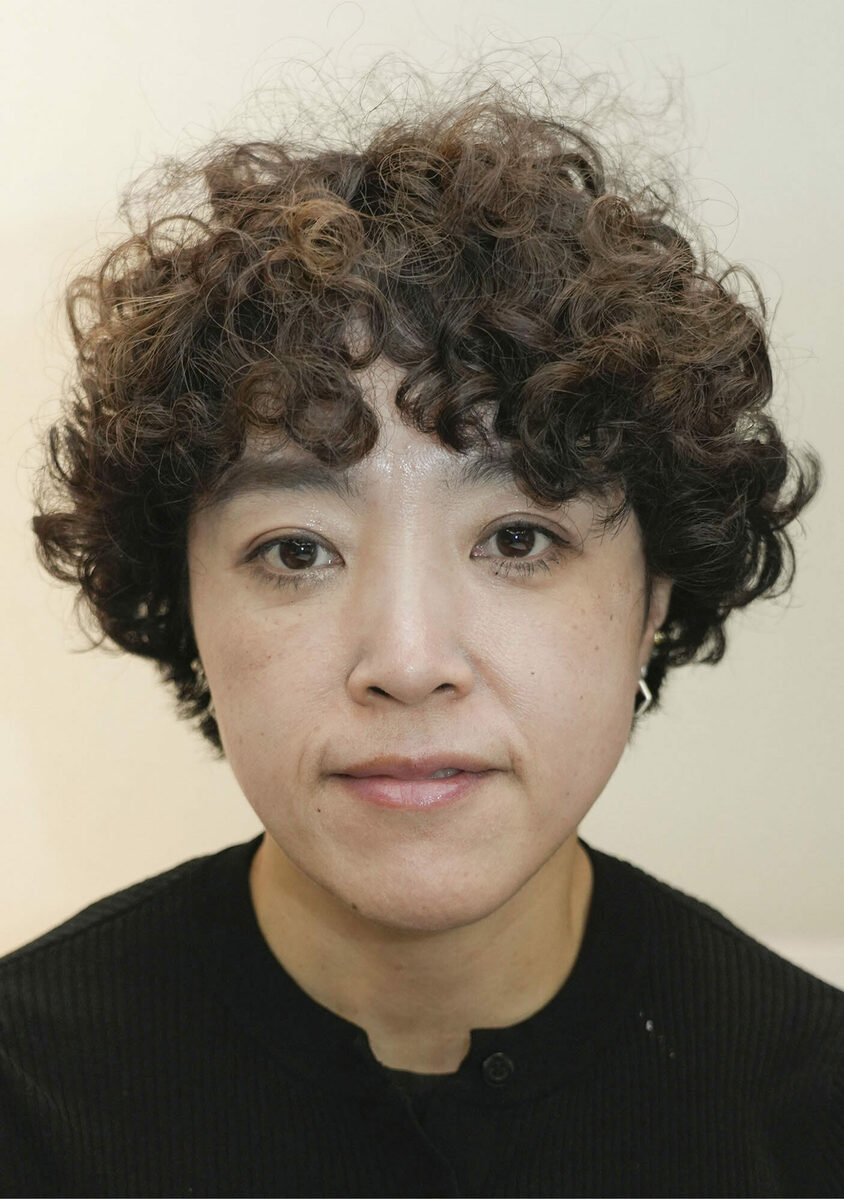
(Miki Nagashima, born in 1977, holds a doctorate in political science and has served as advocacy group leader at Plan International Japan since 2020. She has held posts including a member of the Cabinet Office’s Liaison Conference for the Promotion of Gender Equality.)
AloJapan.com