
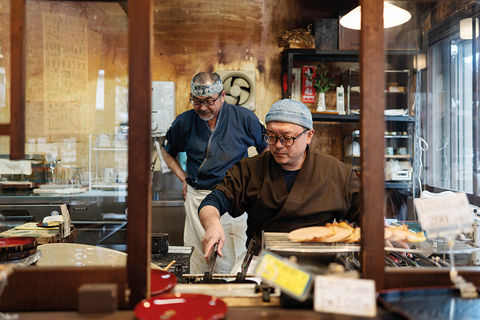
Making the traditional Yusenpei wafers in the Totomiya shop | Courtesy of Unzen Tourism Bureau
I WENT MOUNTAIN CLIMBING and sea kayaking on the same day. As precipitously mountainous as Japan is—and as enwrapped as it is by myriad oceans, bays and seas—this is still a rare experience.
But it is possible on the Shimabara Peninsula, home to Unzen National Park. The peninsula, in southwest Japan, is a third of the size of Bangkok and yet hosts a 1,486-meter-high peak, Mt. Unzen, an active volcano that explosively erupted as recently as 1991. From its heights, I looked out over turquoise seas and emerald hills of Japan’s most ancient landscapes and sought evidence of hidden natural hot-spring vents on the surface of the water.
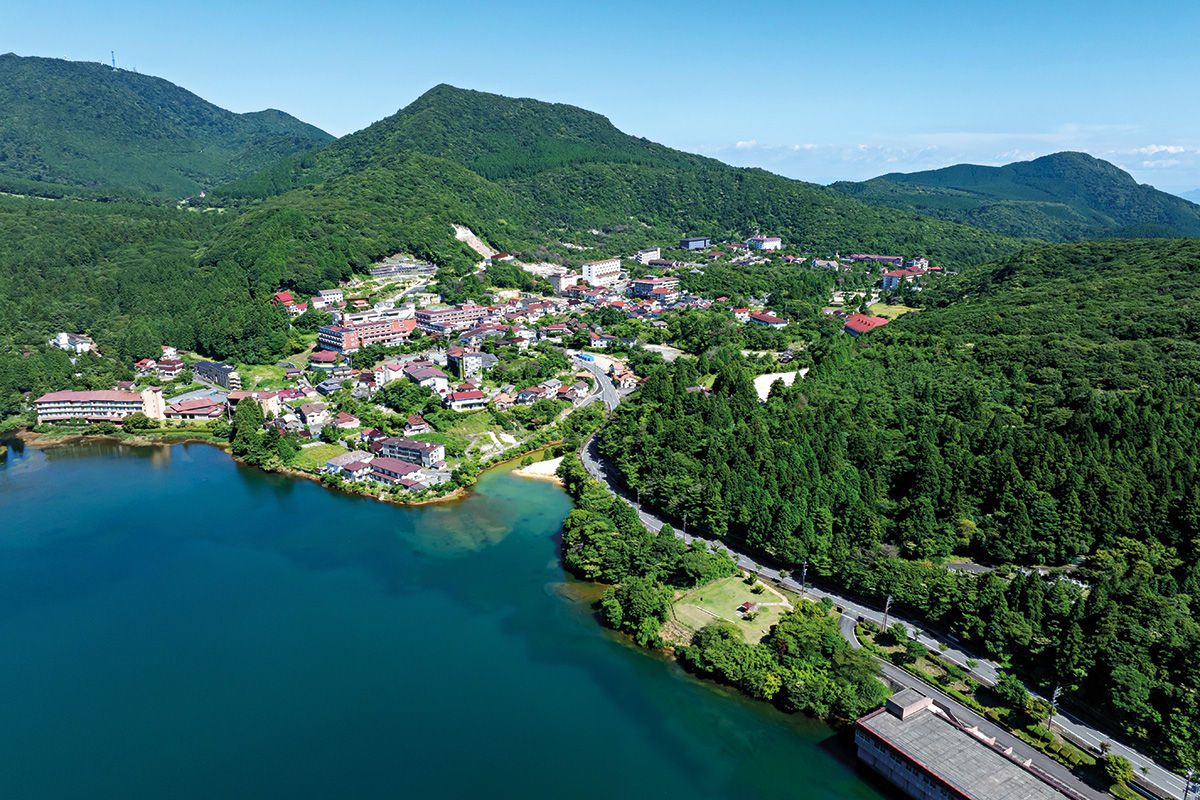 The town of Unzen Onsen is tucked into the mountains of Shimabara Peninsula | Courtesy of Unzen Tourism Bureau
It takes all of an hour to zip up from sea level to high-altitude launch points. Hence why I could fit in a climb, a sea jaunt, and still had time to soak my feet in a hot-spring footbath while watching the blazing orange sun melt away the western clouds on the horizon.
Nahoko Kato, my tour guide with Unzen Destination Service, tells me that she was drawn to Unzen by the unique sense of living in harmony with nature. “All over the peninsula, you can see steam from the volcano rising like the breath of the earth,” she says. “Every time I look out the door, something divine from within the harshness of nature leaps out at me.”
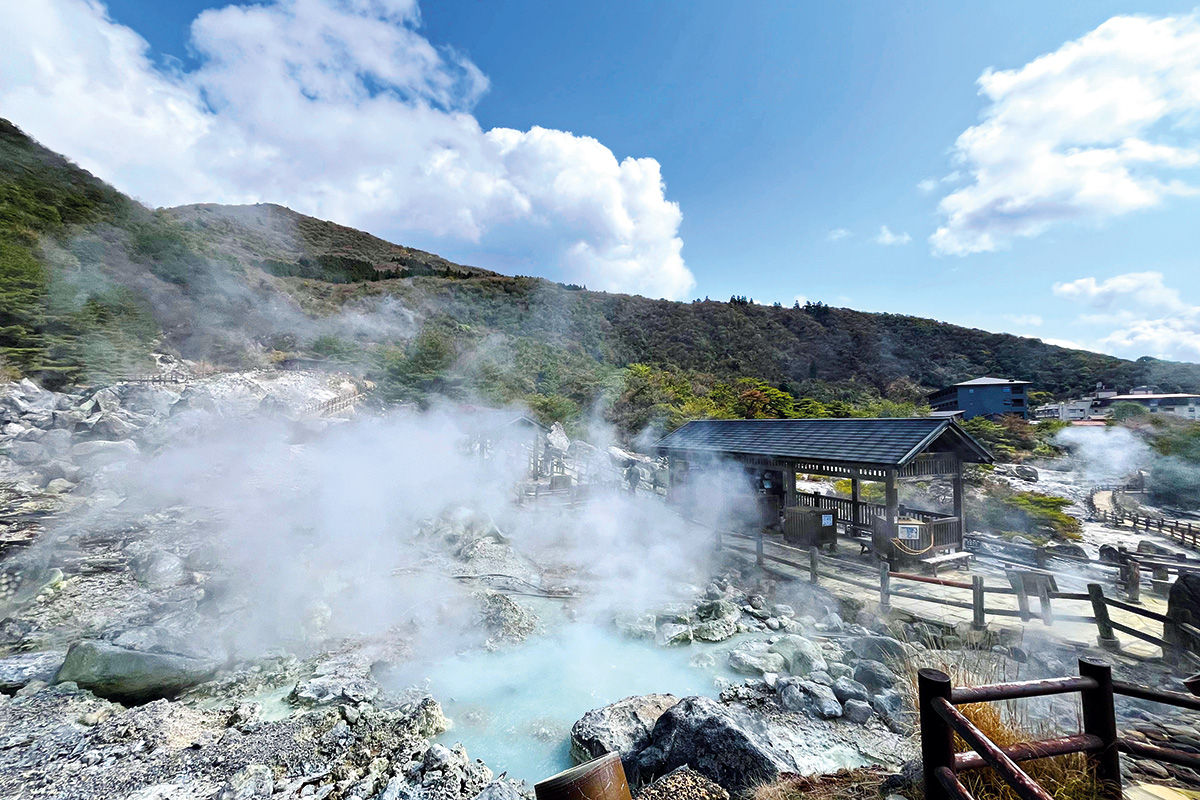 The volcanic vents in Unzen Onsen town | Courtesy of Unzen Tourism Bureau
Founded in 1934, Unzen is Japan’s first national park. With Nagasaki’s long history of exchange with China, Portugal and the Netherlands, this area was one of the first places in Japan to welcome foreign visitors and extend traditional hospitality to outsiders—who went on to extol the virtues of a trip here far and wide. Western expatriates in Shanghai would make the multi-day journey across the Yellow Sea to Nagasaki and then hike their way up to Unzen. All that to escape the heat at Unzen’s comfortable elevation, enjoy beautiful scenery, soak in restorative hot springs, and taste a delicious bounty of produce made possible by volcanic eruptions enriching the local soil.
The unique culture of innovation found in Unzen might trace its roots to the early cultural exchange. On Shimabara, creative successors to traditional family businesses are not just inheriting historic, multigenerational businesses, but transforming them for the future.
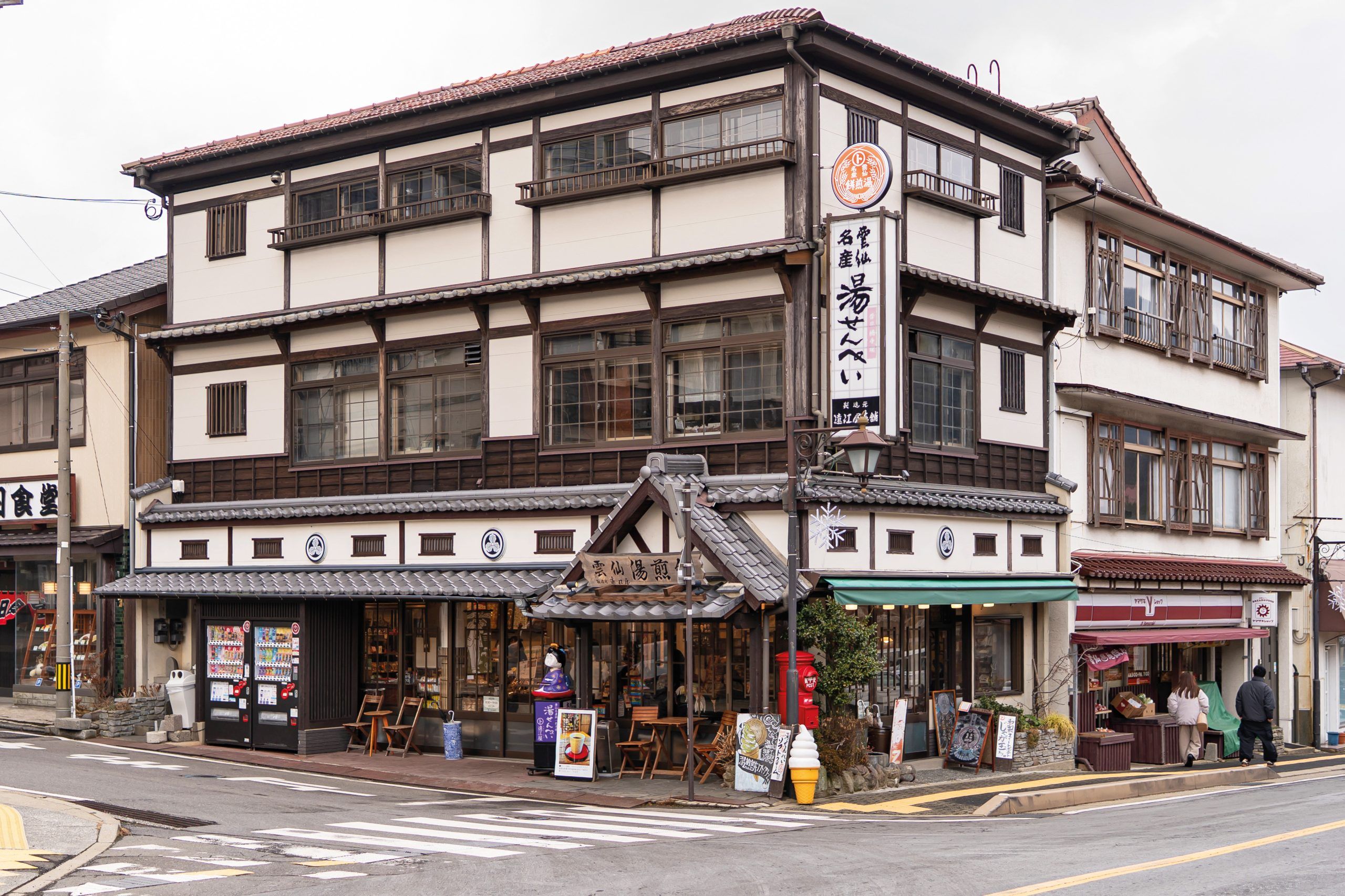 Totomiya Yusenpei shop commands a corner of Unzen Onsen | Courtesy of Unzen Tourism Bureau
JAPAN IS IN THE midst of a succession crisis. More than 62 percent of Japanese companies don’t have inheritors or a continuity plan, a proportion that is likely higher in rural regions where precipitous depopulation is devastating traditional communities. Japan’s population is shrinking by nearly a percentage point each year. But that number is vastly greater in rural areas, eclipsing six-percent declines in eight prefectures. All across the country, traditional trades and establishments—carpentry, ceramics, restaurants, inns—are shutting or selling to private equity firms.
But on the Shimabara Peninsula, I met several locals who have never dreamed of doing anything other than going into the family business. Ryuta Kato is one such man. “I never knew what to write down for my future dream job in primary school,” he recalls. “Everyone else wanted to become authors or athletes. But I always thought I would inherit Totomiya.”
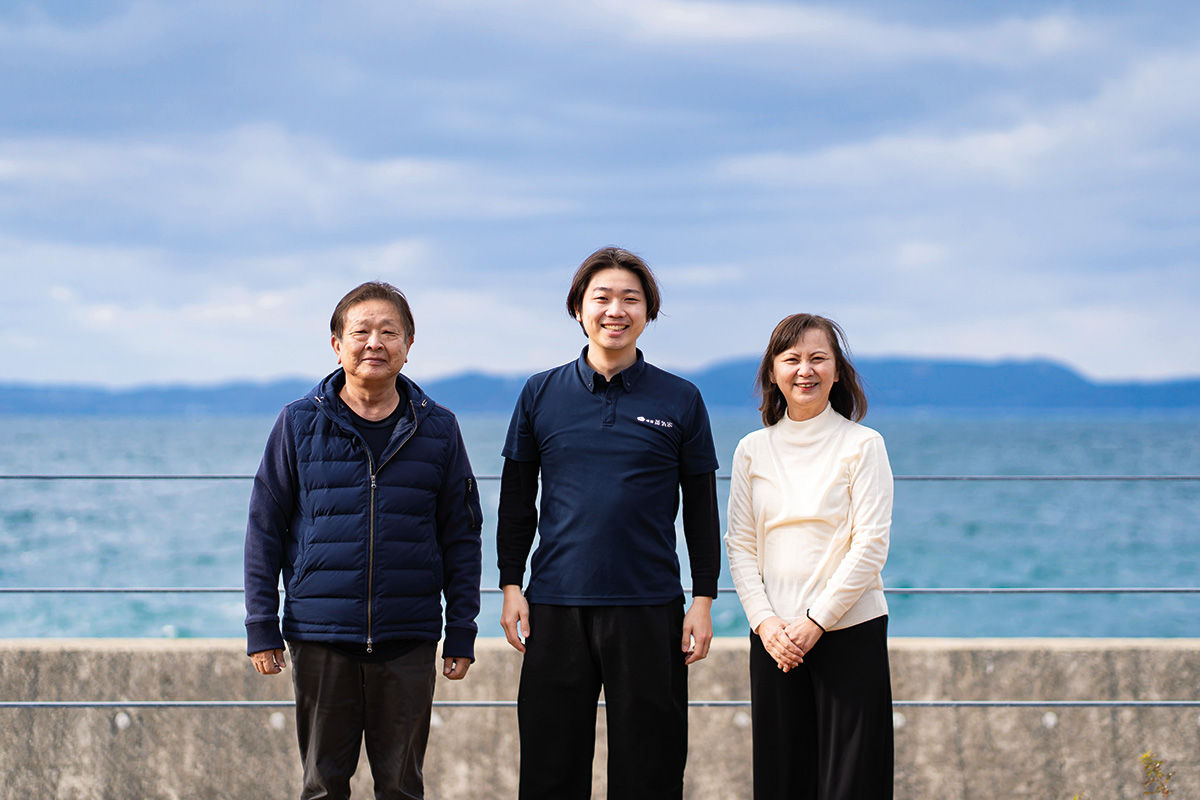 The Kato family in Unzen | Courtesy of Unzen Tourism Bureau
Totomiya is a souvenir store and confectioner at the center of Unzen Onsen’s charming downtown. The square hosts a few historic ryokan inns, surrounded by lush greenery—and pervaded by an invasive sulfuric stench. But it’s a welcome stench, because it comes from the spewing volcanic vents directly down the road and offers both a glimpse into the churning movement of the earth, and the refreshing soaks that await the inn’s guests each evening.
“My grandfather started the souvenir aspect of the shop, and then my father began selling yusenpei,” Kato says, referring to the local confectionary of wafers made with natural hot-spring water. “Now for the past 12 years, I’m bringing my own twist to the business.”
If you’re unfamiliar with the crisp, aromatic wafers—best when fresh and piping hot—you might miss that Kato is underselling his innovation. He is the first confectioner to create yusenpei with fillings—cream, chocolate, matcha—and the first confectioner to change the wafer’s shape, transforming it into chocolate bars and “cigar rolls,” wrapping dark chocolate in a thin coating of wafer.
Since traditional confectionaries have lost popularity with young people, he’s shifted toward both more aesthetic and visually charming treats and packaging, but also products that represent and give something back to Unzen. Kato serves carefully selected coffee in gorgeous, original mugs created by a local ceramic artist. These rugged crafts artistically represent Unzen through tiny cracks that naturally transform into a winter scenery of snowflakes without damaging the mugs. And when Kato learned about Unzen’s excess crop of potatoes—top quality, but not enough buyers—Kato came up with mouthwatering morsels of blended potato, bean paste, and egg yolk.
“I want to do something for this town,” Kato tells me. “I keep thinking about how I can give back to Unzen.”
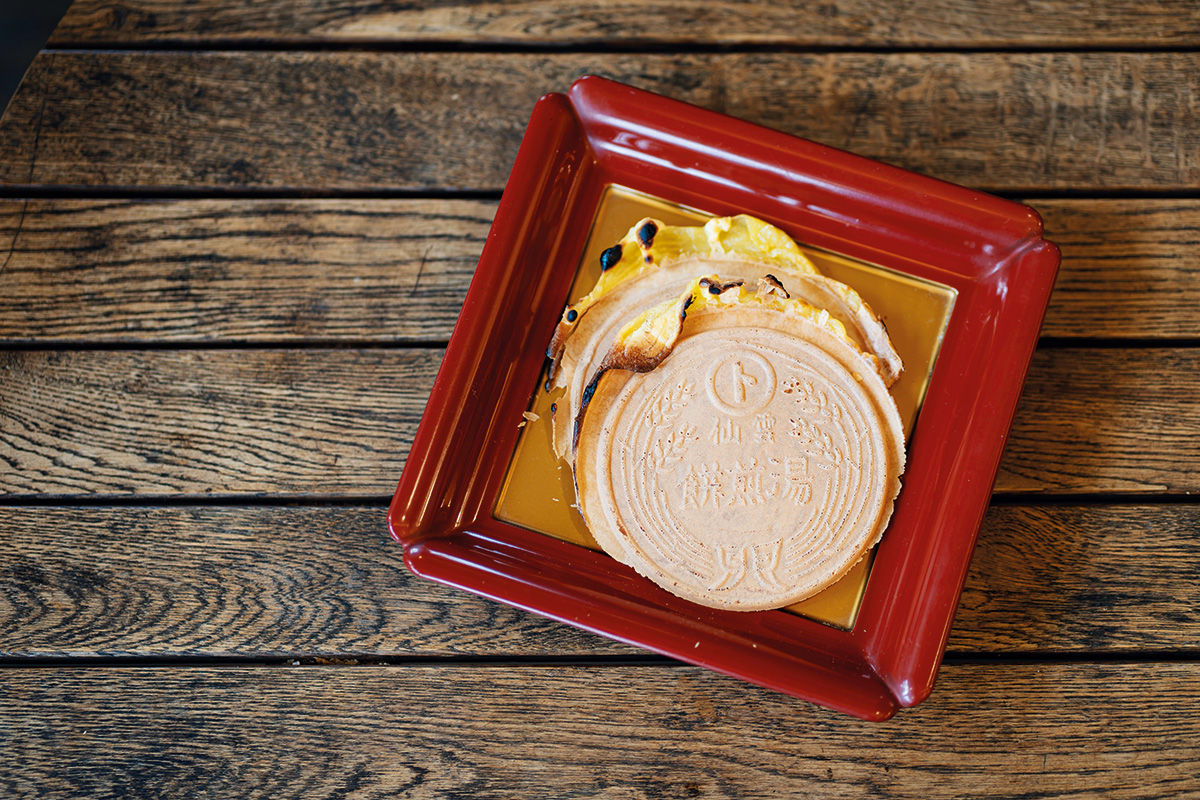
Totomiya Shop’s Yusenpei wafers with special fillings | Courtesy of Unzen Tourism Bureau
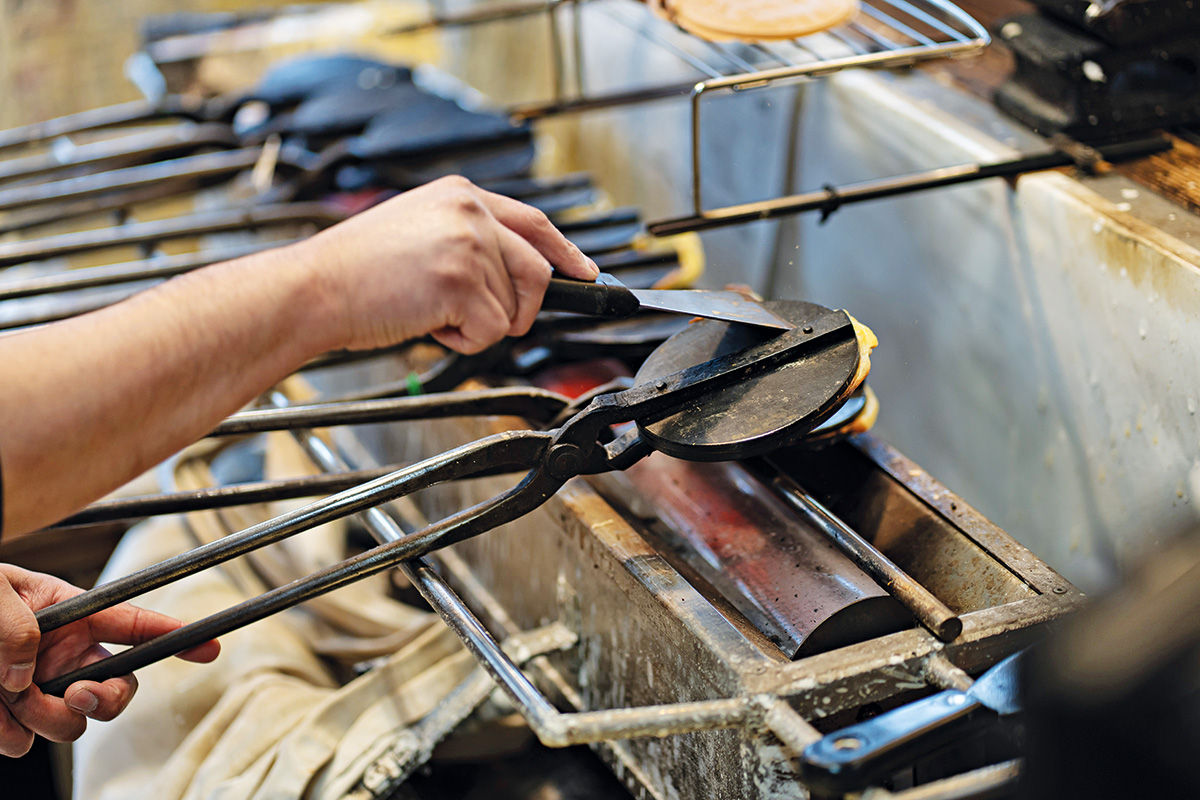
Special molds for the wafers | Courtesy of Unzen Tourism Bureau
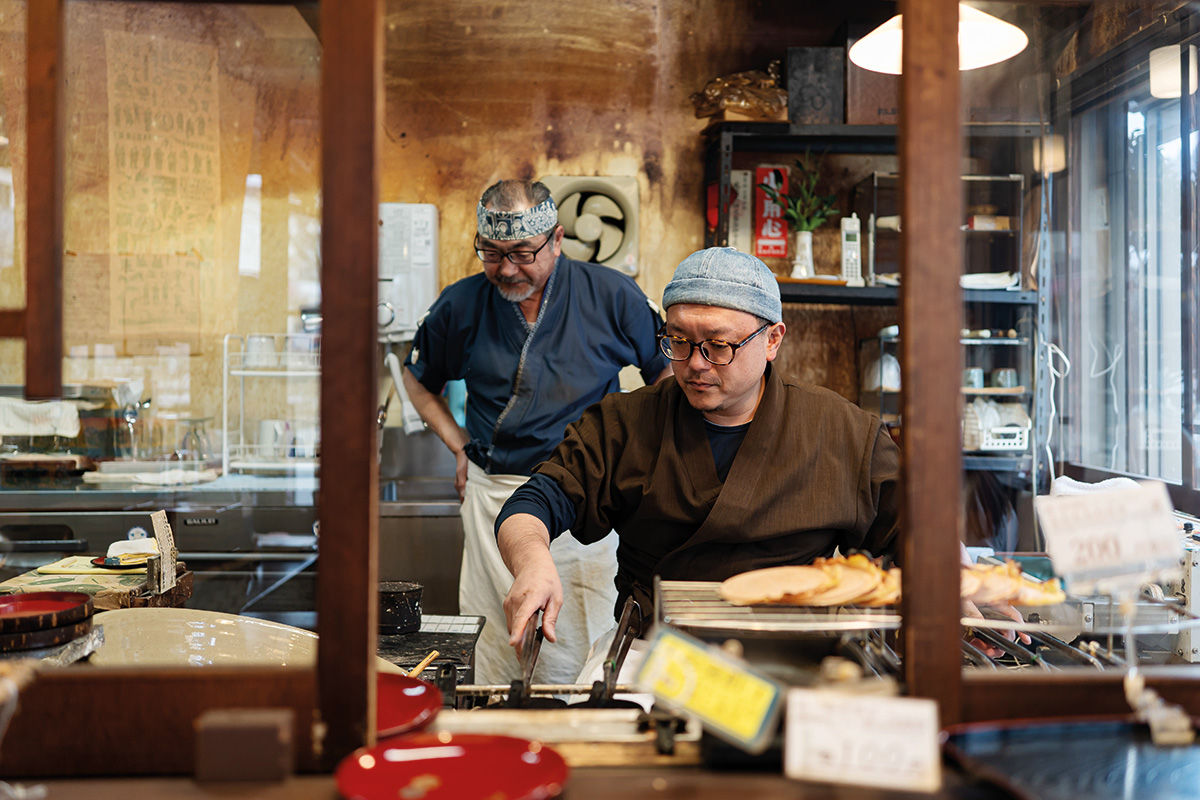
Making the traditional Yusenpei wafers in the Totomiya shop | Courtesy of Unzen Tourism Bureau
ANOTHER THIRD-GENERATION business owner who found his own creative way to support his hometown is Shunichi Honda. He’s the owner of Honda Mokuro, a traditional candle making business that uses Japanese wax trees and is based out of the northeast coast of Shimabara. Surrounded by rolling farmland, Honda Mokuro has its origins in the peninsula’s difficult recovery from a 17th-century volcanic eruption.
“The farmland was destroyed,” Honda explains. “Wax trees are hardy and can grow in the acidic soil. So, locals planted 150,000 trees and the candle industry became a way to survive.”
While wax trees can make Japanese-style candles, known for their powerful steady flame and lack of harsh smell, one thing they haven’t been traditionally known for is their beauty. But Shunichi is looking to create interest in their source, opening up his expansive wax tree orchard as a public park so visitors can view their vivid-scarlet fall foliage. Next step: plant cherry blossoms so the garden can be enjoyed all year round.
Shunichi is in his seventies. And when his three oldest children moved out of Shimabara to find their own careers as doctors and teachers, for a while, it seemed like the succession crisis might come for Honda Mokuro.
But in the nick of time, things changed. Ai, the youngest daughter of Shunichi and his wife Misa, realized that her parents could use some help with publicity. Before long, Ai took charge of the website and social media and even helped develop a new product: miniature mindfulness candles that burn for just 10 to 30 minutes.
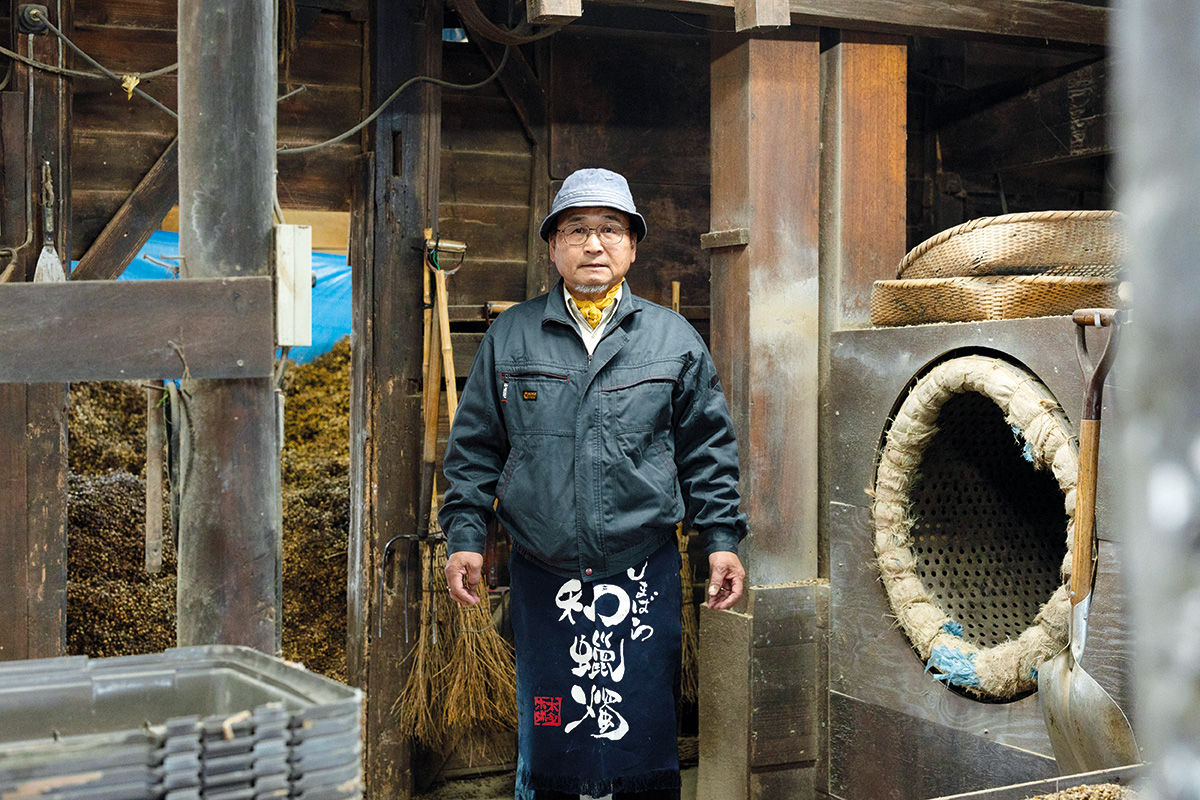
Honda Shunichi outside his was workshop | Courtesy of Unzen Tourism Bureau
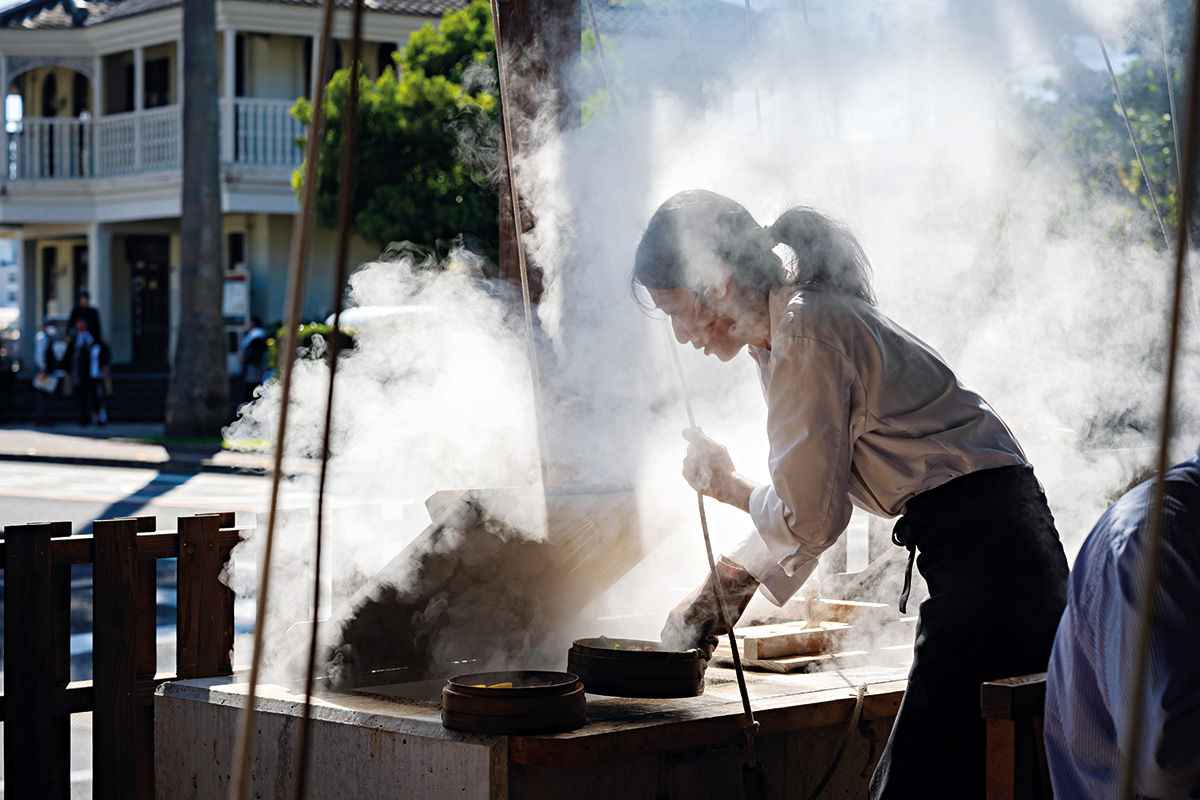
The youngest member of the Honda family, Ai-san, crafts candles in the traditional method | Courtesy of Unzen Tourism Bureau
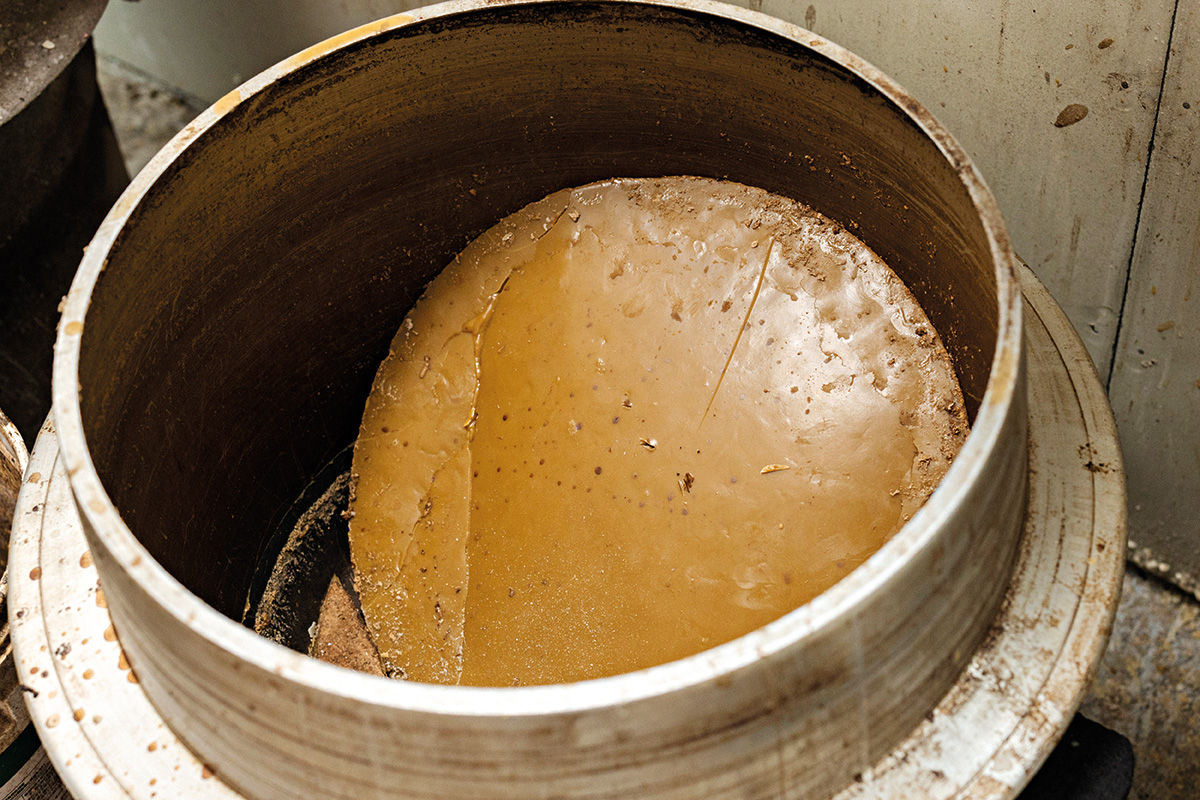
Candle wax made in Honda-san’s workshop | Courtesy of Unzen Tourism Bureau
“Previously, our candles were mainly used by temples, so it’s exciting to have something for daily use,” Ai says. “The candle burns up into nothing, leaving no trace, which is something that I hope customers from overseas will find interesting.”
The eldest son of the Honda family, Masataki, is also pitching in as a licensed pharmacist. He helps Honda Mokuro develop its new products, using tree wax to make not just candles but soaps and hand creams. It turns out that a dash of thinking outside the box can keep traditional business going—and bring families together.
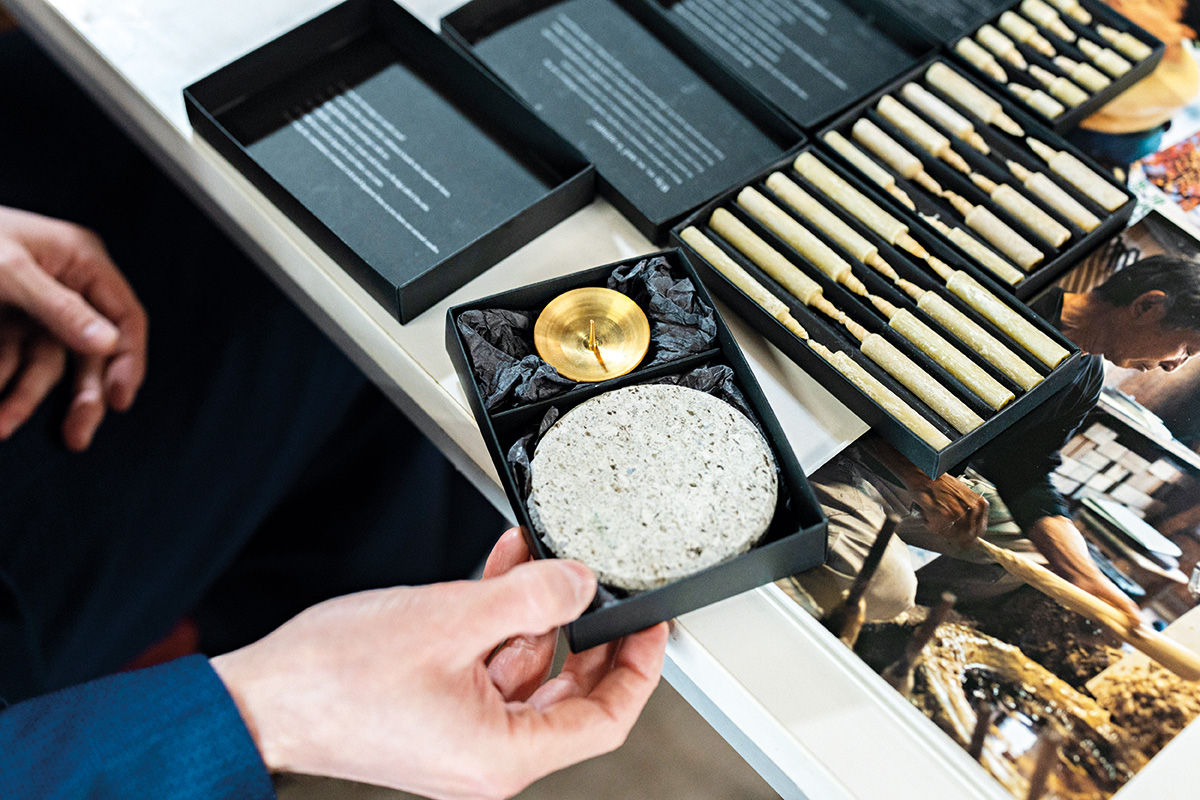
Artisanal candle gift sets | Courtesy of Unzen Tourism Bureau
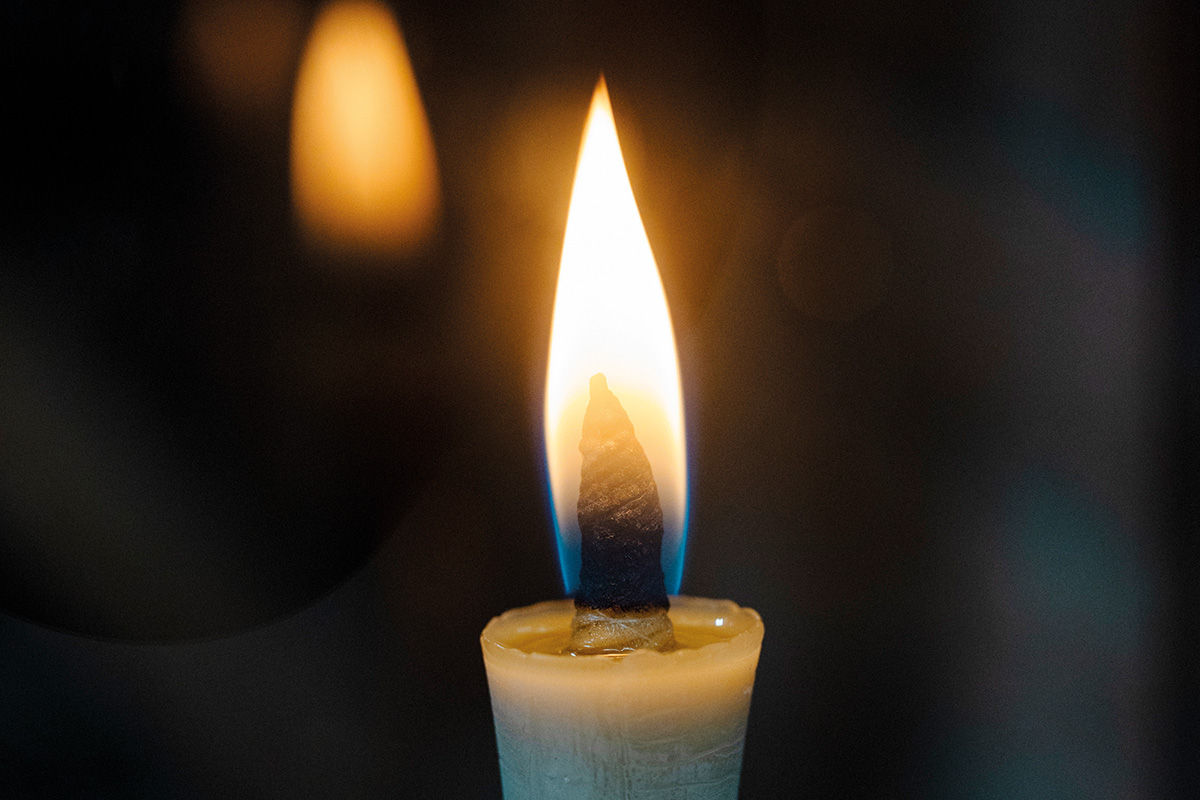
The flame of Honda-san’s handmade candle | Courtesy of Unzen Tourism Bureau
ONE OVERARCHING theme among these young successors is that they cultivate strong relationships with their local communities. But they also refuse to remain strictly insular. Unzen’s traditional business practices balance the old and the new, the local and the imported.
The hot springs inn Yuyado Jyo-kiya is a shining example of this approach. Kouki Yamashita inherited the inn, located in Obama Onsen on the west coast of the peninsula, from his aunt. At 105 degrees Celsius, Obama Onsen’s water is scorching hot, due to its proximity to the roiling mass of magma under the sea that feeds Mt. Unzen. That means you can do more with the water than just wait for it to cool and bathe in it: you can use the all-natural heat to steam food, leaving it tinged with a delicately salty flavor from the oceanic magma.
Obama Onsen even has public steam vents available throughout town. Meanwhile, Jyo-kiya takes this unique natural feature and turns it into an experience: guests are invited to enjoy steaming local, fresh veggies and seafood themselves. Under Kouki’s leadership, this experience has expanded to Jyo-kiya becoming a hub of healthy, creative cooking in Kyushu, hosting regular events and workshops with chefs from near and far.
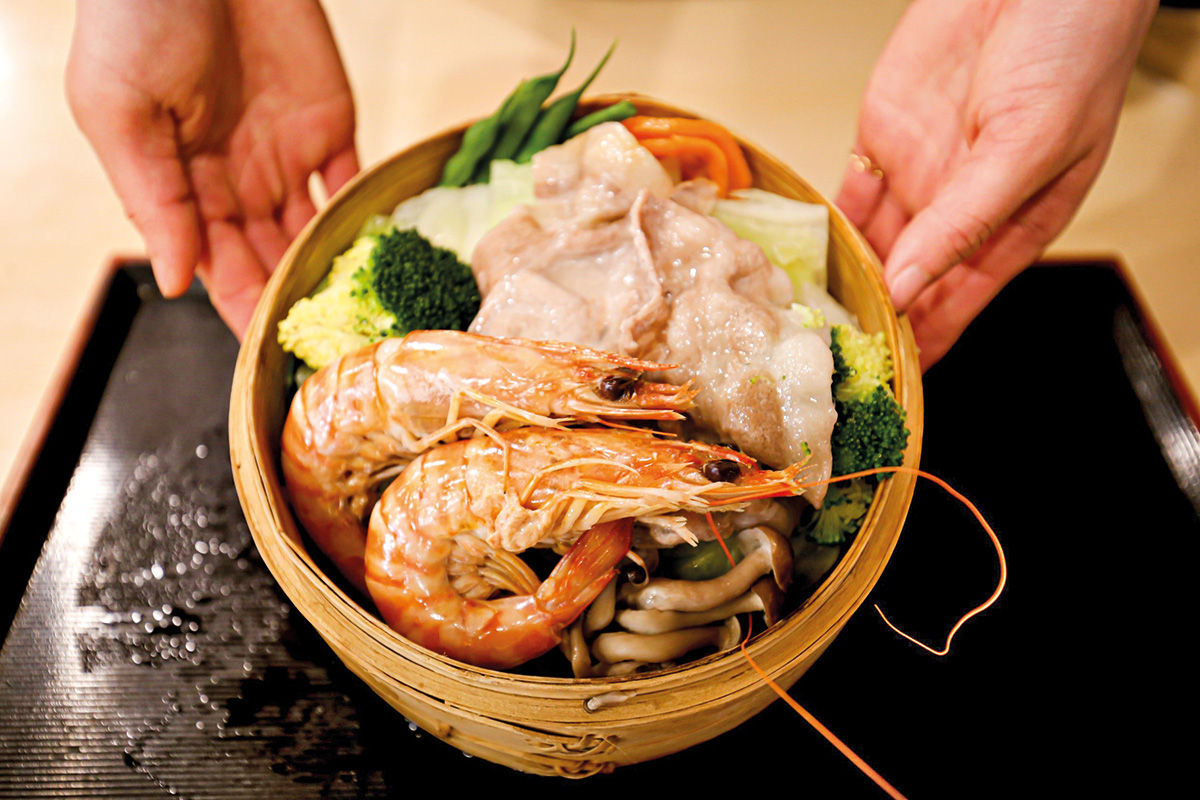
Local bounty steamed over volcanic vents | Courtesy of Unzen Tourism Bureau
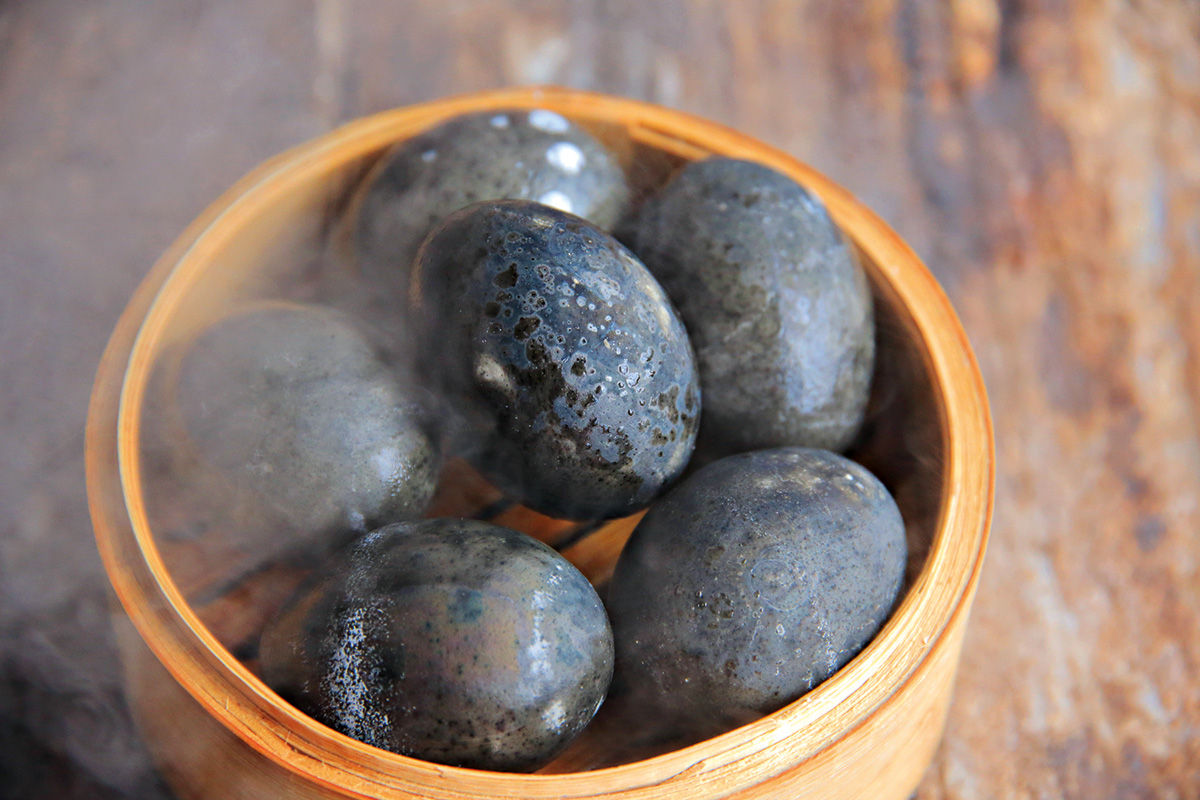
A bamboo container of volcanic-steamed eggs | Courtesy of Unzen Tourism Bureau
“I just got so motivated from being able to have these experiences at Jyo-kiya, all powered by the natural forces of the earth,” Kouki enthuses. “The more I get interesting people to come here, the more I learn about the town, and the more Obama Onsen becomes a place for exchange of ideas, skills and cultures.”
Unzen’s successors are united not just in their innovation and their devotion to their hometowns, but also their willingness to include outsiders.
Japan is experiencing a wave of xenophobia, with lawmakers hurrying to pass new legislation that makes life harder for foreign tourists and residents alike. But Unzen is different—it always has been. “The history of accepting outside influences while embracing the specific history of the land here is a big part of what makes Unzen the amazing place it is,” Kato says.
Under the protection and blessing of a mighty volcano, the new reality is welcome on these quiet shores. In Unzen, the new is precisely what guarantees tradition survives far into the future.
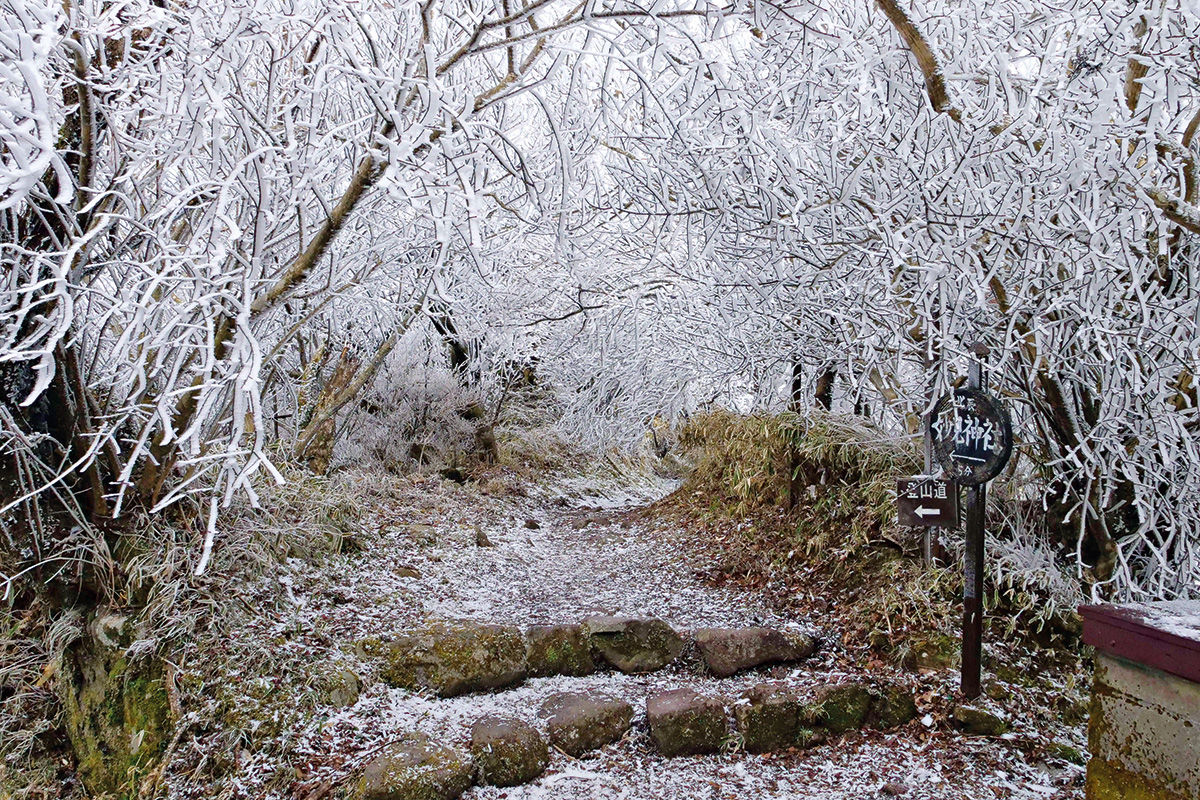 Winter in Unzen | Courtesy of Unzen Tourism Bureau
The Details
GETTING THERE
Fly into Nagasaki Airport. From there, you can rent a car and drive about an hour south, entering the Shimabara Peninsula. Alternately, take an easy bus ride from the airport to Isahaya Station, from which another bus can bring you to either seaside Obama Onsen or mountainous Unzen Onsen in 60 to 90 minutes. This entire journey will cost you less than JPY 2,500. Hit Obama Onsen for seascape, fresh seafood, and the chance to steam your own meal before taking a soak in the springs. Visit Unzen Onsen to see its “hellscape” of ferocious volcanic vents, nestled into quaint green mountains. Unzen Onsen also features acidic waters renowned for antibacterial properties and skin exfoliation.
STAY
Yuyado Jyo-kiya: Located near the heart of Obama Onsen, a stone’s throw from the ocean. Traditional tatami mat interiors and a public bath are nice, but the inn is centered around a spacious, shared kitchen. Outside, large steaming vats are available for guests to steam sumptuous feasts. Fortunately, there’s a grocery one minute down the road. rooms from JPY 5,500 per person
VISIT
Totomiya Honpo: Less than a minute from the Unzen Onsen bus station stands the historic souvenir shop beloved for their yusenpei. The fresh original wafers (less than JPY 150 each) are best, but matcha cream filling is also worth a try. On a hot summer day, get your yusenpei on top of a scoop of soft-serve ice cream.
Honda Mokuro: Located on the northeast side of the Shimabara Peninsula, Honda Mokuro combines shopping (traditional or painted Japanese-style candles), hands-on experience, and sightseeing, with its beautiful garden of Japanese wax trees. An inventive product lineup now includes soaps, hand creams, gift boxes of colorful candles, and even their own vegetable oils. @honda_moku; candle-making classes from JPY 1,500
TOURS
Unzen Destination Service: Among their tours and guided explorations of everything Unzen, choice experiences include helicopter tours, outdoor dining parties in the tradition of Unzen’s 19th-century expats, and nighttime shrine exploration through Unzen Onsen’s volcanic “hellscape.” Email contact@unzen-dmo.com for more information.
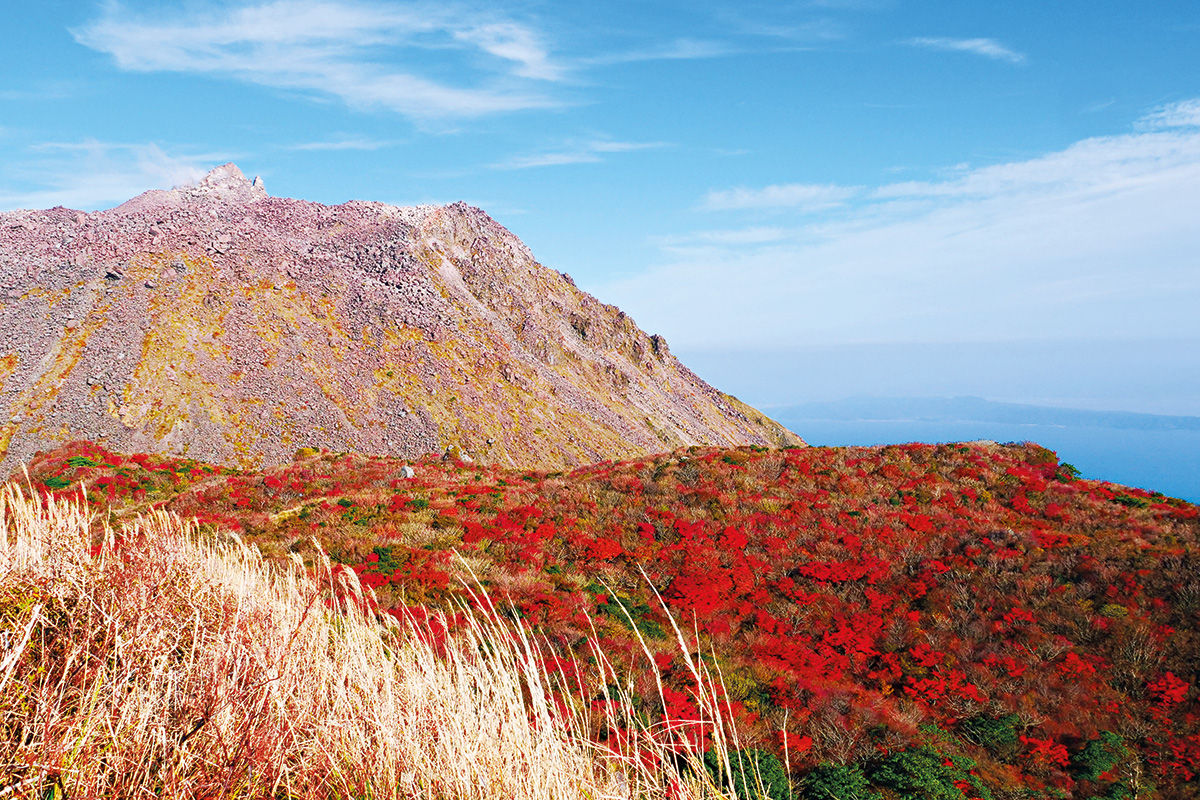 Shimabara Peninsula topography | Courtesy of Unzen Tourism Bureau
Hero and lede images courtesy of Unzen Tourism Bureau.
Note:
The information in this article is accurate as of the date of publication.
We may earn an affiliate commission when you shop through links on our site.
Subscribe
Share:

Written By

Eric Margolis
Eric Margolis is a writer and translator based in Philadelphia and Tokyo. His stories, nonfiction, ..Read Moreand translations have been published in Vox, Slate, Eclectica Magazine, Metropolis Magazine, The Times of Israel, The American Library of Poetry, and more.
Read Less
AloJapan.com