
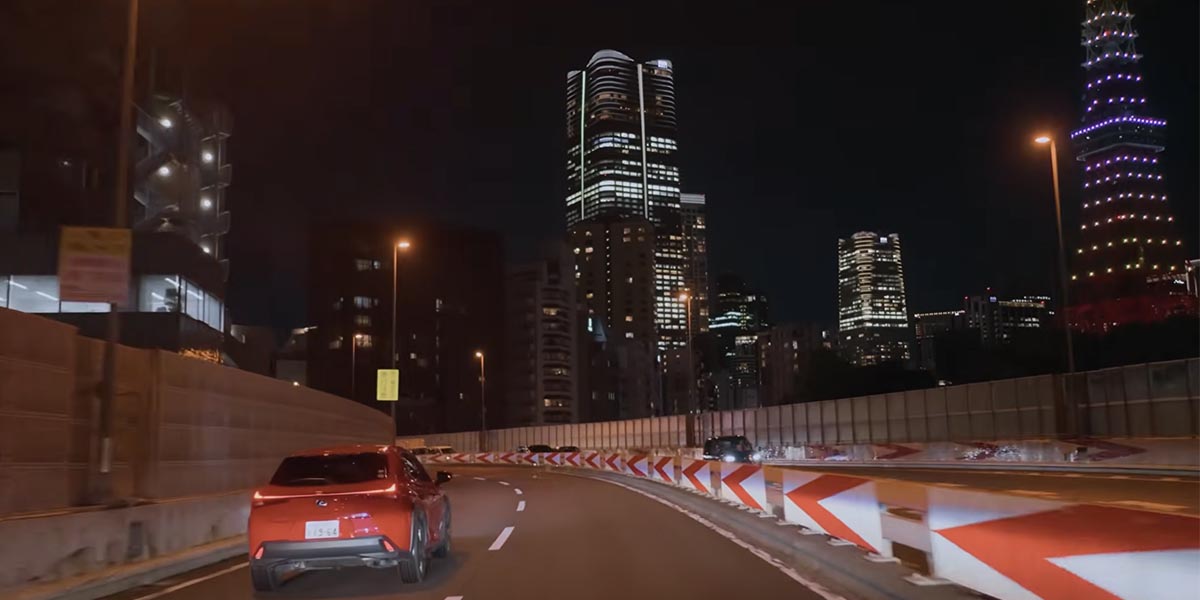
Dashcam Roadshow showcases this road network with some interesting features
Tokyo is the world’s largest city, with a population of 14 million people and a metropolitan area of 41 million.
Tokyo at night seen from above in a stunning 8K video
A route with breathtaking views of majestic Fuji, Japan’s sacred mountain
To travel around this megalopolis, there is a 322.5-kilometer-long expressway network: the Shuto Expressway, also known as the Tokyo Metropolitan Expressway. Established in 1959, it is a toll highway network whose main owner is the Government of Japan, followed by the Tokyo Metropolitan Government, the prefectures of Kanagawa, Saitama, and Chiba, and the cities of Yokohama and Kawasaki.
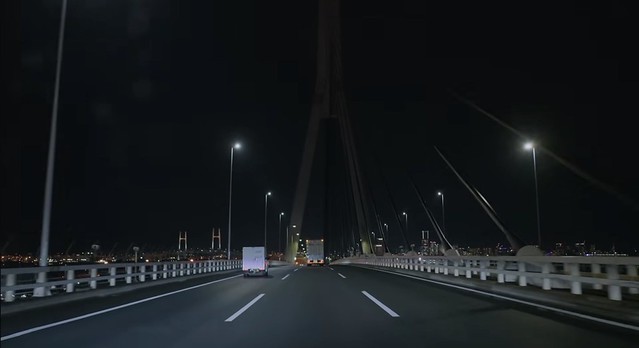
Due to its numerous curves and elevation changes, most sections have a maximum speed limit of 60 km/h. It has four ring roads and eleven radial roads. This highway network became famous a few years ago for races organized by some high-speed enthusiasts, who reached speeds of up to 300 km/h. Dashcam Roadshow has today released an intense time-lapse video traveling along this highway network, with a pleasant musical accompaniment created by the video’s author using artificial intelligence with Suno AI:
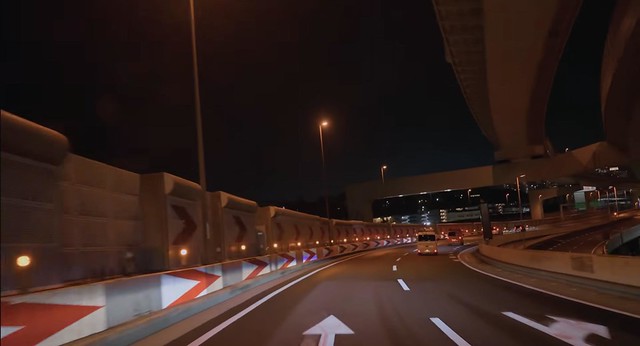
There are two details in the video that stand out. The first is that you don’t see a single piece of graffiti. In Spain, it doesn’t matter if you’re driving on a highway with difficult pedestrian access: it’s common to see graffiti even in the most dangerous places. However, the Shuto Expressway is immaculate, with well-painted road markings and clearly indicated curves and crests. By the way, be aware: In Japan, they drive in the British style, that is, on the left, which is why the people in the video are overtaking on the right.
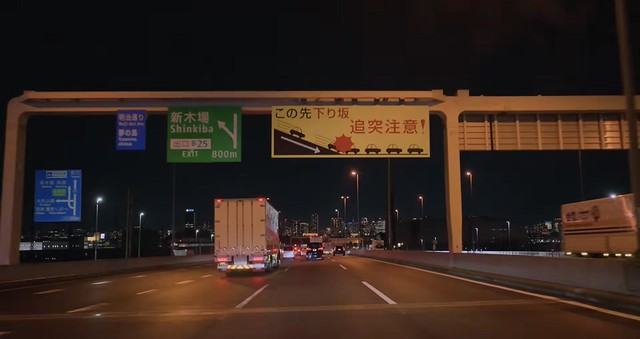
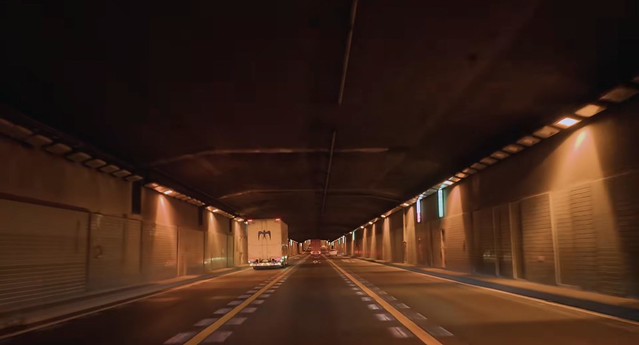
The other detail is that you see a lot of four-axle trucks. These trucks have been disappearing in Spain since the 1990s due to European regulations, which favor semi-trailers (trucks consisting of a tractor unit and a trailer). Four-axle trucks are safer, and it’s striking to see that there are still many in Japan. You can see some screenshots from this excellent video here.
AloJapan.com