
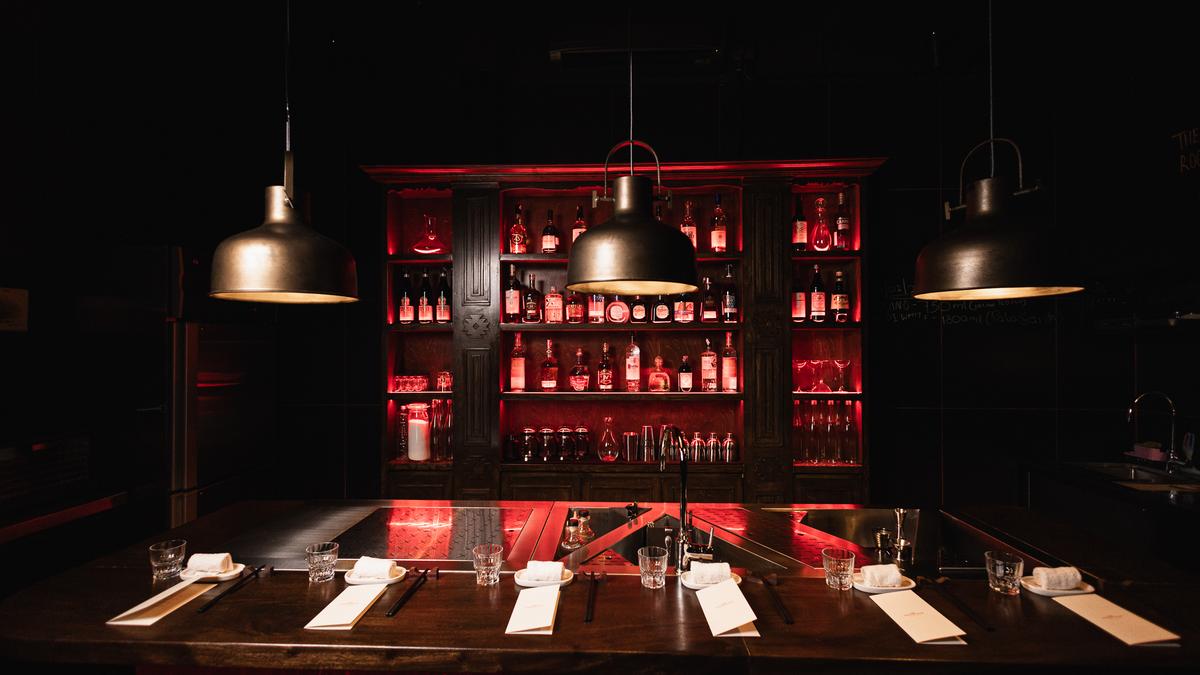
I am seated at the secret bar within a bar in Bengaluru’s Una Hacienda. The mixologist slides me a drink—a blend of white tea sake and a kombucha gastrique. There is no menu to consult and no orders to be placed. This is an ‘omakase’ bar experience. The Japanese concept that means, “I’ll leave it to you”, where you place your evening in the hands of the expert. It is not my first time either. Japanese ingredients, spirits and techniques are making their presence felt in Indian cocktails bars. Across the country, mixologists and owners are having a love affair with Japanese aesthetics. Here is why.
Japanese bar and drinking culture is a complex landscape. They gave us highball cocktails, tachinomi (standing bars) and bar districts such as Shinjuku Golden Gai with tiny hole-in-the-walls, and Ginza with fancy cocktail lounges.
Why your bartender loves an omakase experience
The Bunker Room inside Una Hacienda is a space built for the bar team to experiment and have fun with the menu. Owner of the bar and industry expert, Arijit Bose explains, “Omakase usually means ‘chef’s choice‘ or in most cases, ‘dealer’s choice’. The guests surrender their evening to us, and we take them through a tasting that we feel will be interesting. We can play with flavours and techniques that we usually would not use, but those that works well when we have time to tell the story. Bartenders love it, even though it is a lot more work, as it allows them to express themselves, their ideas and personalities without constraints. And Bengaluru loves this stuff.”
In Delhi’s Call Me Ten, the concept is pushed to a more bespoke level. “When you arrive at the bar, you begin by filling out a simple omakase preference card, indicating your leanings across flavours, spirits, and profiles,” says Angadh Siingh, co-founder. “The mixologist then engages you in a brief and intuitive conversation. From there, they design a tailored cocktail experience that evolves with you, drink by drink.”
Call Me Ten feels it is an izakaya at heart and wants to bring that personal touch. Akshay Shokeen, co-founder explains it is also a far more engaging format for a bartender to work within. “Rather than repeating a fixed set of drinks, each interaction begins with a new set of preferences, allowing the bartender to approach every guest with a fresh perspective.”
 Ginza in your glass
Japanese spirits and ingredients are not new to our menus, but they are getting a fresh twist with experimental creations.
Across town in Bengaluru’s Indiranagar, Katana is an izakaya bar by restaurateur Sandesh Reddy and cookbook author Prasanna Pandarinathan. Here is it not omakase, but Japan’s favourite spirit sake that is the inspiration. Saketinis and Zen Garden Smash take classic cocktails and infuse them with Asian ingredients. The Hood in Ashok Nagar has a whole menu section devoted to the neighborhood of Gion in Kyoto with cocktails such as Midnight at an Osaka Pickle Bar and Beware the Ginza Tiger.
Chef Vishesh Jawarani’s JSan in Anjuna just released a new cocktail programme themed on Japanese principles of Shin, Gi, Rei, Wa that teach balance and harmony. “My obsession about Japan is not just about the food. It is their overall philosophy. Japanese bars’ service, tradition and hospitality appeal to me.”
The drink Shitashu is savoury number made with vodka, umeshu (a pickled plum liqueur) and infused with shiitake mushrooms. There are also challenges when using Japanese ingredients. “Pretty much all Japanese ingredients are imported, yuzu, shiitake mushrooms, daikon radish and shisho leaves. It is harder to get some in Goa. When we do not get them, we use our creativity or local variants.”
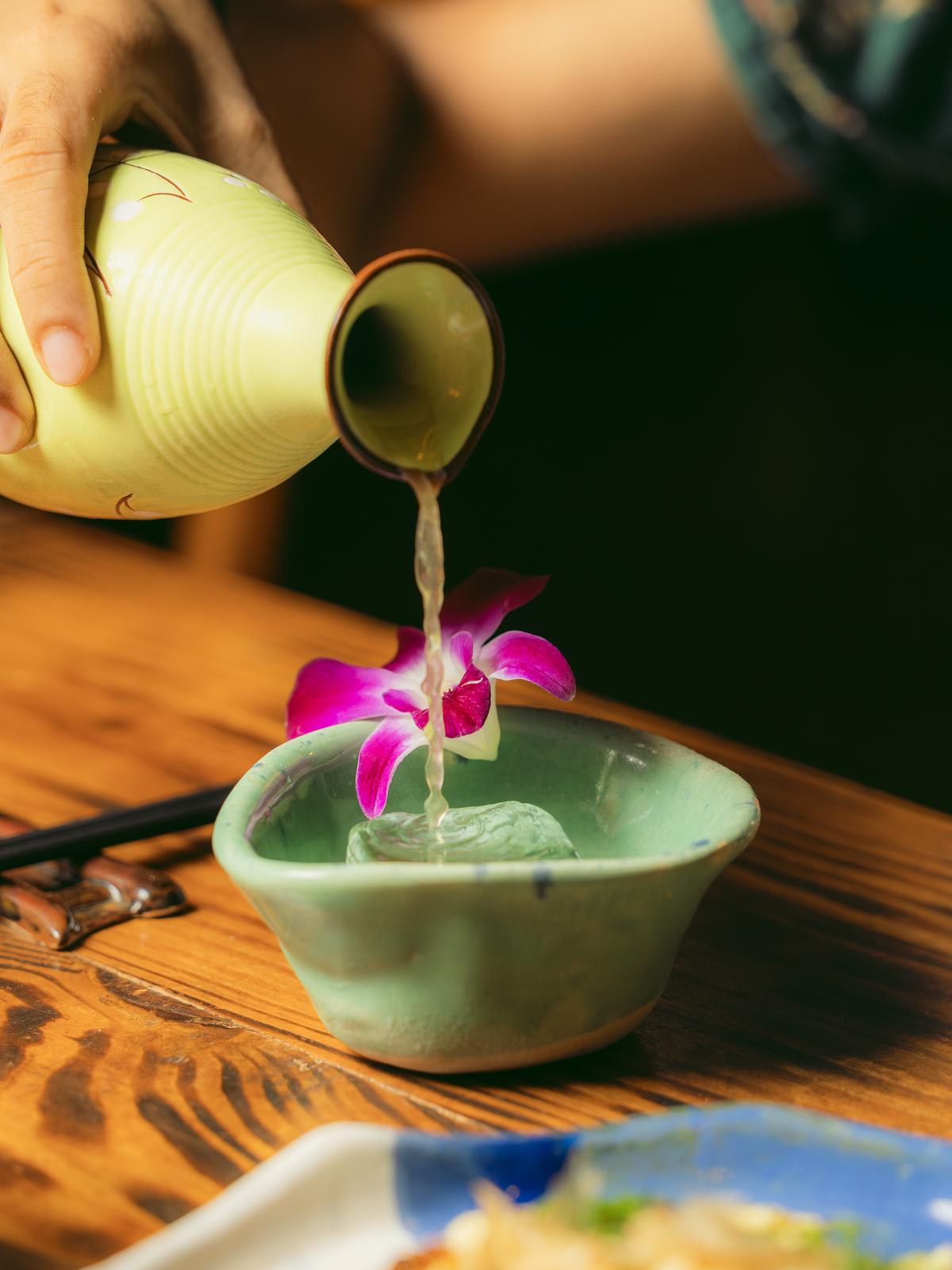
Kyo Matcha drink at JSan in Goa
Ukiyo, at the Ritz-Carlton Pune is a Japanese restaurant that balances tradition with a modern perspective. Their drink Ponzu & Mirin for instance, is a play on balance of flavours at its core. The rum-based drink has citrus and sweet flavours. “Conceptually, the cocktail represents the art of origami, reflecting precision, elegance, and minimalism. The cocktail is finished with a crispy nori sheet garnish, folded to resemble an origami form,” Vedant Shetty the head mixologist says.
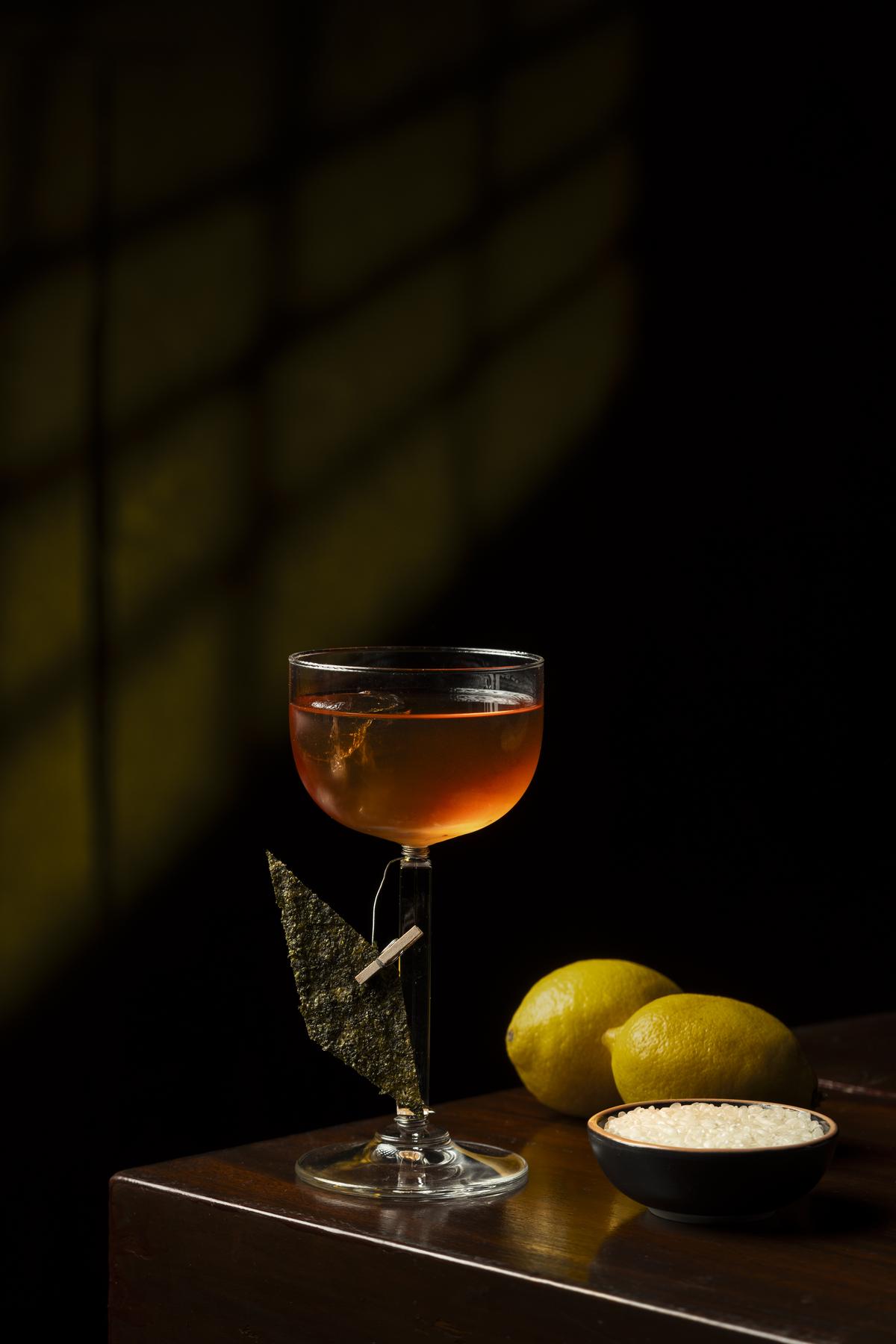
Ponzu & Mirin at Ukiyo in Pune
Japanese decor, but think beyond minimalism
Japanese minimalism and interiors have been on the forefront of style and design for a few years. But a more fun, young and playful Japanese style is emerging as a favourite. Edo in Bengaluru reinvented itself with a new look. There are Anime-inspired wall paintings, Tokyo-style neon lights, and even an Andy Warhol-esque Mickey Mouse. It is bold with a colourful palette.
Supa San is located in the happening area of Bandra Kurla Complex in Mumbai. Here the vibe and inspiration is that of nomikai, the post-work drinks that you get with friends. There are neon signs, Japanese board games, wasabi-laced edamame plates and a 90-minute limitless drinks experience. It is designed for fun.
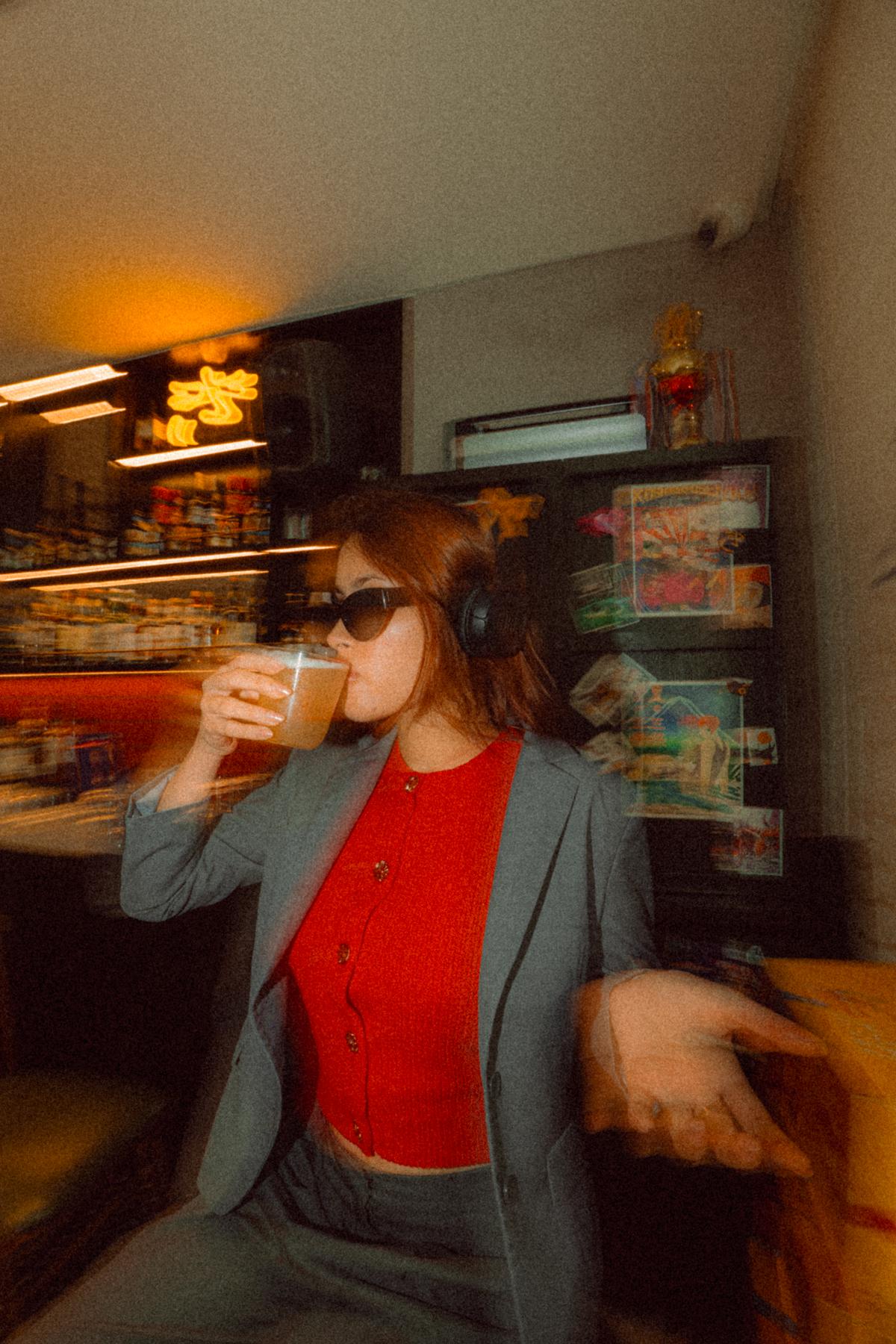
Supa San in Mumbai
| Photo Credit:
Special arrangement
Japan’s bar culture is eclectic and diverse. On the one side they have precision and craftsmanship, on the other is the salaryman trying to get a cheap drink after a long day’s work. It may sound familiar maybe and that is why many Indian bars are looking eastward as an influence.
With inputs from Barry Rodgers
Published – May 09, 2026 06:45 am IST
AloJapan.com