
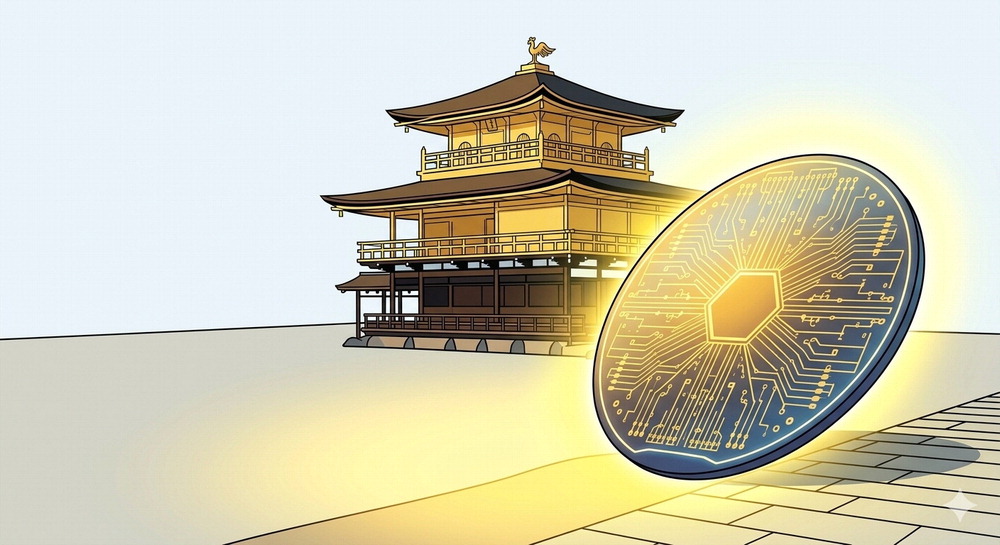
 사진 확대 Gemini
It is not only Korean companies that are riding the semiconductor boom driven by artificial intelligence (AI). Japanese manufacturers such as Murata Manufacturing, Kyocera, and OMRON are also quietly benefiting from the tailwind. They supply key components and equipment across the global semiconductor supply chain.
Murata Manufacturing is a leader in multilayer ceramic capacitors, Kyocera in advanced ceramics, and OMRON in the sensor market. Another thing they have in common is that they are headquartered in Kyoto, which served as Japan’s capital for 1,200 years. Kyoto-based companies have continued to grow steadily, undeterred by U.S.-China rivalry, geopolitical tensions, and the unpredictable moves of U.S. President Donald Trump. Japanese components used in Apple’s iPhone 17, released last year, totaled 1,282. That is still far ahead of South Korea’s 475.
Apple’s key partners include TDK, Murata Manufacturing, and Kyocera, three of Japan’s top electronic components companies. The headquarters of the latter two are in Kyoto. Shiro Sakushima, president of Kyocera, said, “Demand has surged, especially for semiconductor manufacturing equipment and AI packages, and even customers who had stopped doing business with us are now placing orders again.” In Japan’s corporate culture, which emphasizes monozukuri, or craftsmanship, Kyoto holds a unique place. Compared with Tokyo, where large conglomerates are concentrated, companies based in Kyoto tend to be smaller. Rather than flashy finished products, they have focused on materials, components, and equipment. The major firms known as the “Kyoto 8” have recently been breaking their own market capitalization records one after another.
[Kyoto Reporter Lee Seung-hoon]
#
Murata Manufacturing
MLCC
Japanese manufacturing
local report
aristocratic culture
artificial intelligence
multilayer ceramic capacitor
Samsung Electronics Co.
Ltd.
Hynix
Inamori
library
honorary chairman
executives
software
hardware
Kyoto companies
retail investors
AloJapan.com