
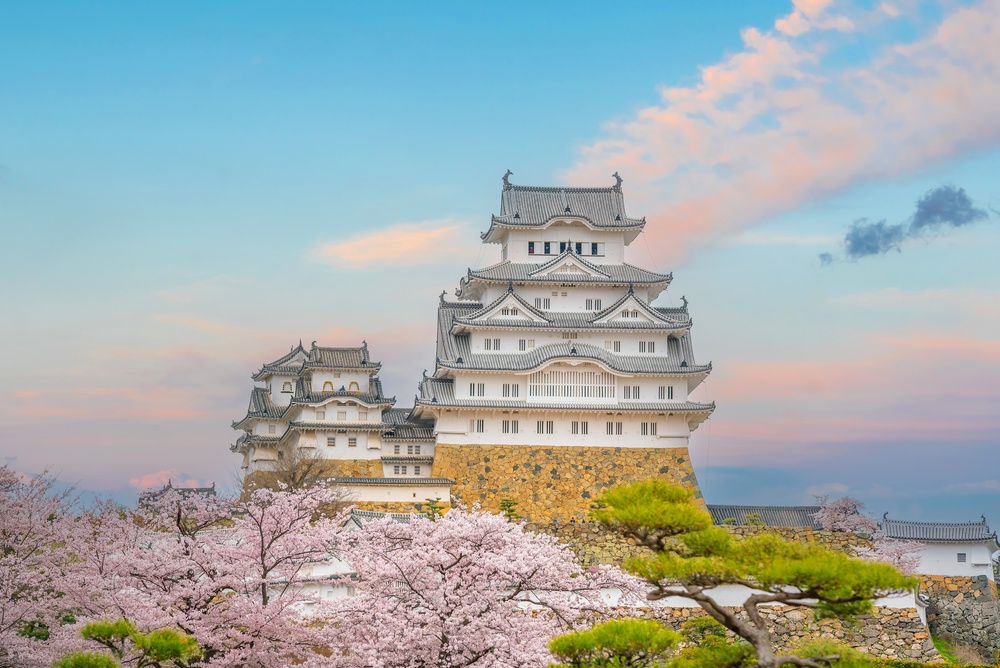
Japan is rolling out a dual pricing system that charges foreign tourists more than local residents at major attractions and it is expanding fast. From Osaka temples to Tokyo museums, sites across the country are adopting two-tier pricing to manage record-breaking visitor numbers and fund the upkeep of cultural landmarks.
Japan welcomed 42.7 million overseas visitors in 2025 — a 15.8% jump over the previous record — and the first quarter of 2026 has already topped 10.6 million arrivals. The surge, fueled by a historically weak yen, has pushed the government to act. If you are planning a trip to Japan, here is exactly how the new pricing affects your budget and what you can do about it.
What Is Japan’s Dual Pricing System?
Dual pricing means a single attraction charges two different admission fees: one for Japanese residents and a higher one for international visitors. The Japan Tourism Agency launched an expert panel in March 2026 to draft national guidelines for this model, with formal rules expected by March 2027.
The system has been prevalent in countries like Thailand, India, and Indonesia for years. What is new is Japan adopting it at scale — moving from isolated local experiments to a nationally coordinated framework.
Why Japan is doing this now
Japan’s most popular sites are under physical and financial strain from overtourism. Revenue from higher foreign visitor fees is earmarked for specific improvements:
Restoring fragile wooden temples and historic structures damaged by foot traffic.
Installing multilingual signage and visitor management systems.
Upgrading waste management and sanitation at high-traffic sites.
Reducing congestion at iconic locations during peak hours.
A nationwide survey by Loyalty Marketing Inc. found that over 60% of Japanese residents support charging tourists more — a clear sign that locals feel the impact of overtourism in their daily lives.
Where Dual Pricing Already Applies
Several high-profile sites have already implemented two-tier pricing. Here are the ones travelers are most likely to encounter.
Himeji Castle
Himeji, home to Japan’s most celebrated feudal castle and a UNESCO World Heritage site, became the flagship example of dual pricing in March 2026. Non-resident adults now pay ¥2,500 (about $16), while city residents pay ¥1,000 (about $6).
The result has been striking: visitor numbers dropped, but ticket revenue nearly doubled. That success has attracted attention from municipalities nationwide.
Nanzoin Temple, Fukuoka
This Buddhist temple in Fukuoka introduced a ¥300 entrance fee for overseas visitors, while Japanese residents and foreign residents of Japan are exempt. The temple cited wear on its grounds and the cost of maintaining facilities for large visitor groups.
National museums
The Japan Times reported that national museums across the country are planning to adopt dual pricing by March 2031, making this a long-term shift rather than a temporary experiment.
Niseko ski resorts
International tourists at Niseko ski resorts already pay ¥6,500 for daily lift tickets, compared to ¥5,000 for local residents. Niseko has long attracted a disproportionately international crowd, making it a natural fit for differential pricing.
Attraction
Tourist Price
Resident Price
Himeji Castle
¥2,500 (~$16)
¥1,000 (~$6)
Nanzoin Temple, Fukuoka
¥300 (~$2)
Free
Niseko ski resorts (daily lift)
¥6,500 (~$42)
¥5,000 (~$32)
Other Costs Rising for Tourists in 2026
Dual pricing at attractions is only one piece of a broader cost increase for visitors to Japan. Several other fees are changing simultaneously.
Departure tax tripled
As of July 1, 2026, Japan’s International Tourist Tax — sometimes called the “Sayonara Tax” — has tripled from ¥1,000 to ¥3,000 per person. The Japan National Tourism Organization (JNTO) confirms the fee applies to everyone leaving Japan by air or sea, including Japanese nationals. It is usually included in your airfare, so you will not need to pay it separately at the airport.
Kyoto’s accommodation tax overhaul
Kyoto overhauled its lodging tax in March 2026, introducing a five-tier system that hits luxury stays hardest. Budget rooms (under ¥20,000 per night) see a modest increase to ¥400 per person per night, but rooms priced above ¥100,000 now carry a ¥10,000 per-night tax — a tenfold jump from the previous rate.
The city expects to nearly double its tax revenue from ¥5.9 billion to ¥12.6 billion annually, with proceeds directed toward preserving UNESCO World Heritage sites and improving public transport.
Visa fees, airline surcharges, and more
Dual pricing is just one part of a broader fee overhaul. Japan is also raising visa processing fees, residence permit costs, and airline fuel surcharges in 2026. For a full breakdown of every fee change — from tourist visas to the upcoming JESTA electronic travel authorization — check out our detailed guide: Japan Is Raising Visa and Travel Fees in 2026.
If you are flying with Japan’s flag carriers, note that JAL and ANA have roughly doubled their international fuel surcharges from May 2026.
How to Budget for a Japan Trip in 2026
The cost of visiting Japan is rising, but a well-planned trip can still be affordable. Here is how to keep dual pricing and new taxes from blowing your budget.
Know which sites charge more
Not every attraction has adopted dual pricing yet. Free shrines, public parks, and many smaller temples still charge the same (or nothing) for everyone. Research specific entry fees before you go, and prioritize sites where the price gap is minimal.
Book smart on Wego
Use Wego to compare flights to Tokyo, Osaka, and Fukuoka across airlines to find the best fares. For accommodation, compare hotels in Tokyo, hotels in Kyoto, and hotels in Osaka to find options that minimize your exposure to Kyoto’s steep accommodation tax tiers.
Explore beyond the hotspots
Japan’s government is actively promoting lesser-visited regions like Hokuriku, Tohoku, and Shikoku. These areas offer rich cultural experiences — temples, hot springs, local cuisine — without the overcrowding surcharges. Flights to regional airports via ANA or JAL connect you to destinations where dual pricing has not yet arrived.
Factor in the departure tax
Add ¥3,000 (about $20) per person to your travel budget for the departure tax. For a family of four, that is an extra ¥12,000 ($78) you may not have accounted for.
If you are traveling from the GCC, we have a dedicated guide covering visas, flights, and budgets specifically for the region: Japan Travel 2026 for GCC Tourists.
Frequently Asked Questions
Does Japan dual pricing apply to foreign residents of Japan?
In most cases, no. Sites like Himeji Castle and Nanzoin Temple distinguish between residents (including foreign residents with valid residence cards) and international tourists. If you live in Japan, you typically pay the local rate.
Is the ¥3,000 departure tax included in my flight ticket?
Yes. The International Tourist Tax is typically bundled into your airfare at the time of booking. You will not need to pay it separately at the airport.
Will all tourist attractions in Japan adopt dual pricing?
Not immediately. The Japan Tourism Agency is drafting national guidelines expected by March 2027, but adoption will be up to individual municipalities and operators. Many free shrines, parks, and smaller sites are unlikely to introduce fees.
How much more should I budget for a Japan trip in 2026?
A reasonable estimate is an extra ¥5,000–¥10,000 per person for a week-long trip, covering higher admission fees, the tripled departure tax, and accommodation tax in cities like Kyoto. The exact amount depends on which attractions you visit and where you stay.
Sources
Japan Tourism Agency — Official Website
Japan National Tourism Organization (JNTO) — International Tourist Tax
The Japan Times — Japan Tourism Agency to Launch Panel on Dual Pricing
The Japan Times — Japan’s National Museums to Implement Dual Pricing
Skift — Charge Foreigners More: Japan to Expand Two-Tiered Pricing
Unseen Japan — Buddhist Temple Starts Two-Tier Pricing to Offset Overtourism
Euronews — All the Changes to Tourist Taxes and Fees in 2026
Travel Voice — Ruling Parties Specify Rise in Departure Tax to ¥3,000
Unseen Japan — Japan Drafts Dual Pricing Guidelines as Himeji Castle Posts Revenue Bump
Disclaimer
Wego strives to ensure all information presented in this article is accurate and up to date at the time of publication. Travel policies, prices, visa requirements, and conditions can change rapidly. We strongly recommend verifying critical details with official sources before making travel decisions. Wego does not accept liability for any inaccuracies, oversights, or changes that may occur after publication.
A writer, reader, coffee connoisseur and an empathetic listener. I travel the world with flights of fancy and dabble in art via photography and fashion.
AloJapan.com