

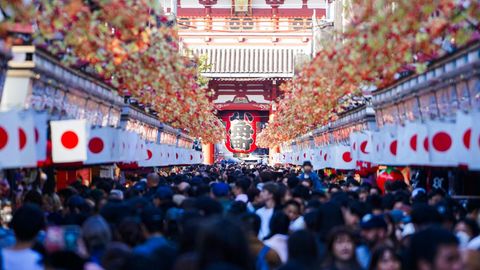
Crowded Sensō-ji Temple in Asakusa, Tokyo | Image credit: Subhash Suryawanshi/Pexels
Highlights
Several cities and prefectures in Japan have introduced new lodging taxes, effective April 1, 2026.
The taxes are based on the type of accommodation. It will be levied only on overnight stays, not day visits.
Your trip to Japan is about to get pricier. Several prefectures across Japan are set to introduce a new visitor and lodging tax for people staying at hotels and other accommodation options. The new lodging taxes, effective April 1, 2026, are being introduced as part of Japan’s efforts to manage overtourism and upgrade infrastructure across the country, aiming to offer visitors a smoother experience and stay.
Here’s everything you need to know about the departure tax in Japan to triple by July 2026.
All you need to know about Japan’s new lodging taxes
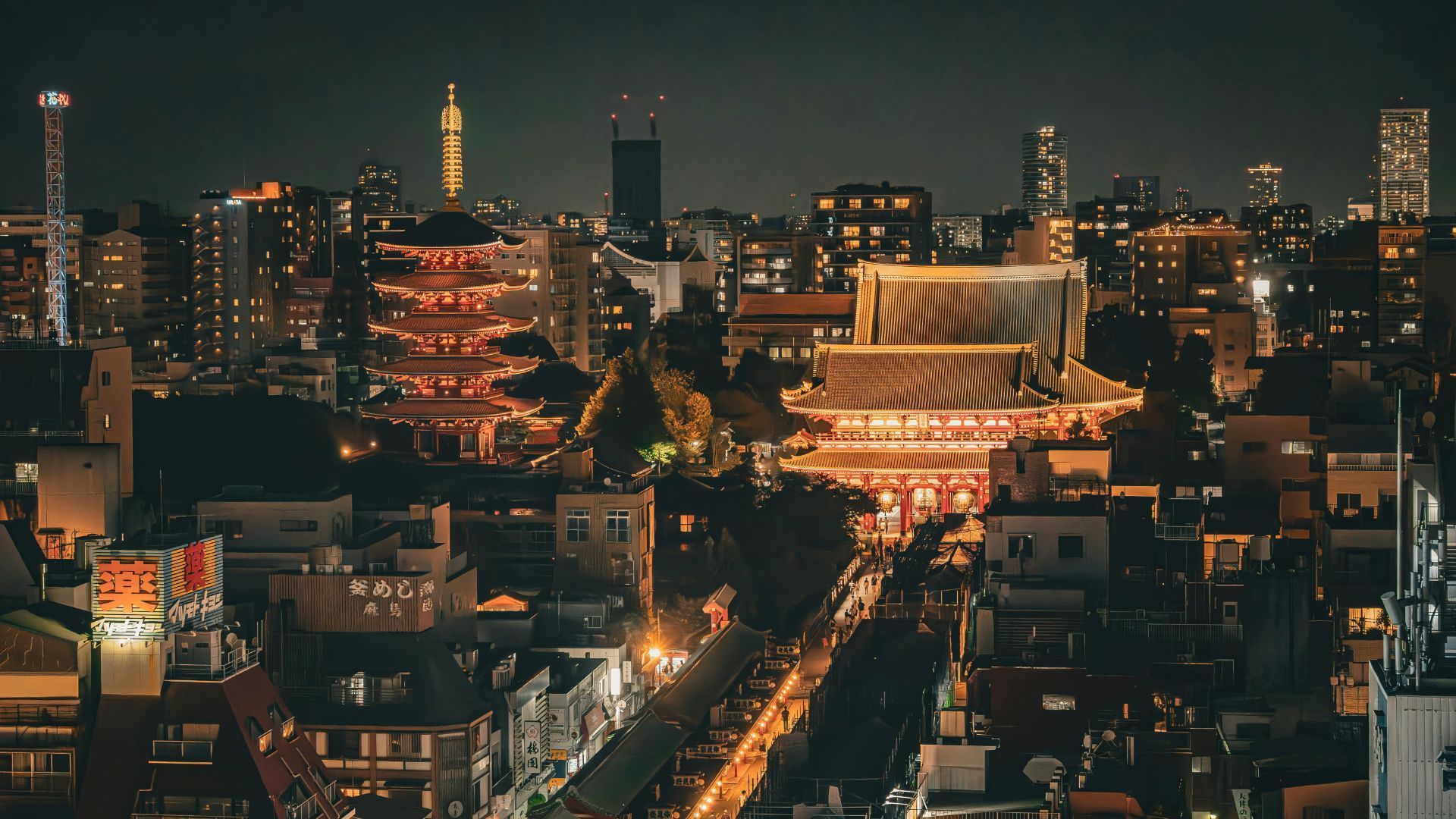 Night view of Taito, Tokyo | Image credit: Ehsan Haque/Pexels
The lodging taxes are locally administered, which means authorities of these cities and prefectures can set their own rates, based on their policy priorities and tourism pressure. A report on Japan Today says that the taxes will be based on the type of lodging option, with those at budget stays required to pay lower taxes and those staying in high-end properties to pay higher taxes. Taxes will be levied only on overnight stays, and not on day visits.
How much will tourists have to pay?
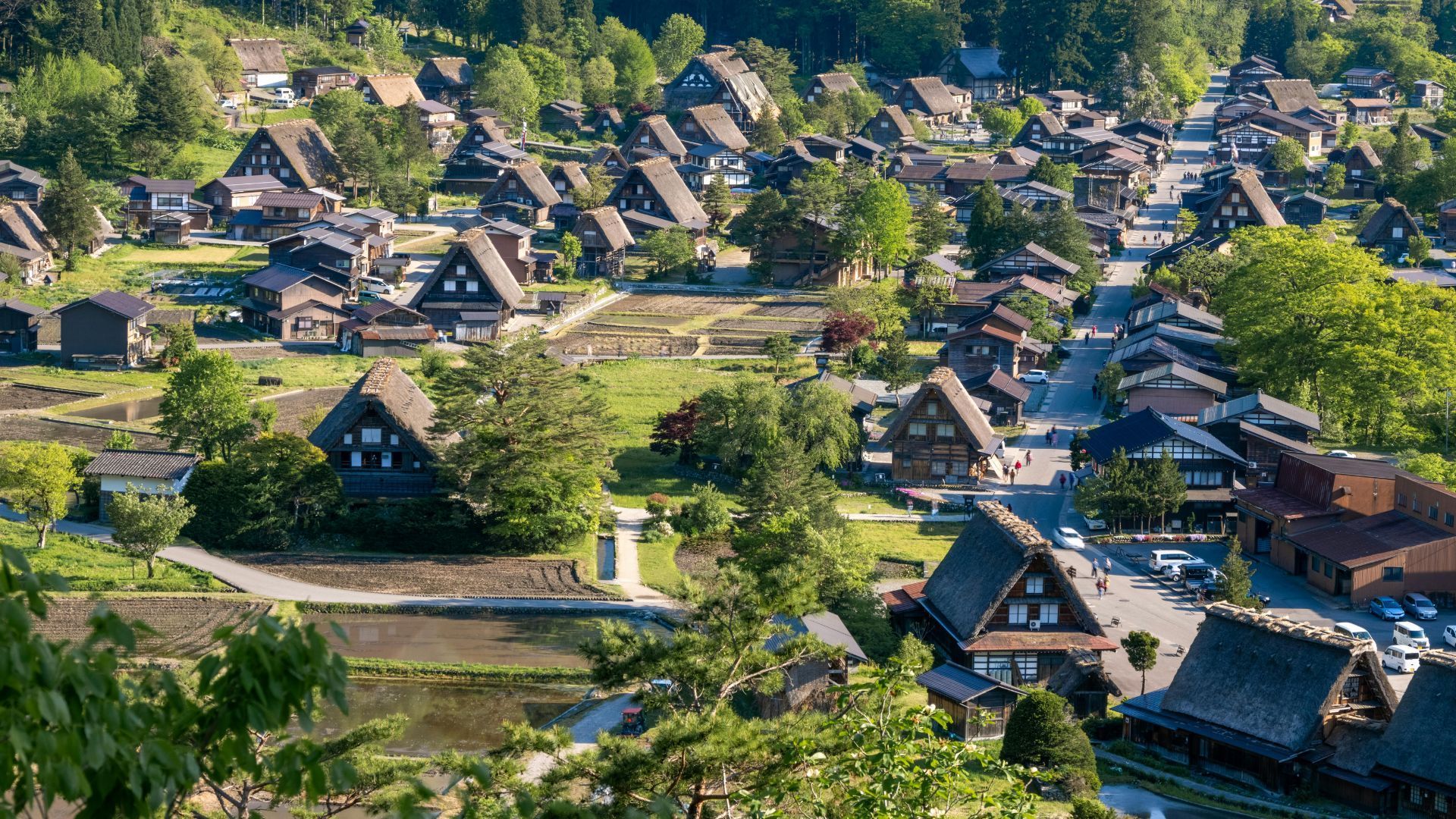 Shirakawa, Japan | Image credit: NaturEye Conservation/Pexels
Hokkaido: According to an announcement on the official Hokkaido government website, visitors will be charged a tax ranging between JPY 100 (approximately THB 24) and JPY 500 (approximately THB 120). The tax will be charged based on the cost of their accommodation.
Sapporo in Hokkaido Prefecture: Apart from the prefectural accommodation tax, 15 municipalities within Hokkaido have introduced their own separate taxes. In Sapporo, the capital of Hokkaido prefecture, visitors will have to pay an additional JPY 200 (approximately THB 48) for hotels that cost JPY 50,000 (approximately THB 12,000) or less per night per person, or an additional JPY 500 (approximately THB 120) for stays costing more than JPY 50,000 (approximately THB 12,000) per night per person.
Hiroshima: In Hiroshima prefecture, the lodging taxes will be levied on those staying at accommodation options costing over JPY 6,000 (approximately THB 1,444) or more. Such guests will have to pay a tax of JPY 200 (approximately THB 48). Those staying at a hotel costing below JPY 6,000 (approximately THB 1,444) will be exempt from paying the tax.
Yugawara in Kanagawa Prefecture: Visitors will have to pay a lodging tax ranging from JPY 300 (approximately THB 72) to JPY 500 (approximately THB 120).
Gifu in Gifu Prefecture: Visitors will be charged JPY 200 (approximately THB 48) per night, irrespective of the type of hotel they stay in.
Toba in Mie Prefecture: Visitors will be charged JPY 200 (approximately THB 48) per night, irrespective of the type of hotel they stay in.
Further, Nagano Prefecture, Kumamoto City, and Miyazaki City in Miyazaki Prefecture have secured approval from Japan’s internal affairs minister to introduce their own taxes from June 2026. The amounts are yet to be disclosed.
(Feature image credit: Suryawanshi/Pexels)
Related | Travelling To Japan In 2026? These Are The Changes You Need To Know About
Note:
The information in this article is accurate as of the date of publication.
Subscribe
Share:

Written By

Esha Dasgupta
Senior Digital Writer – Growth, Travel
Esha is a traveller at heart, with a penchant for exploring the unchartered. She has previously worked ..Read Morewith TravelTriangle and Internet Moguls. When not in work mode, she can be found downing endless cups of coffee while reading Enid Blyton/Sidney Sheldon. Read Less
AloJapan.com