
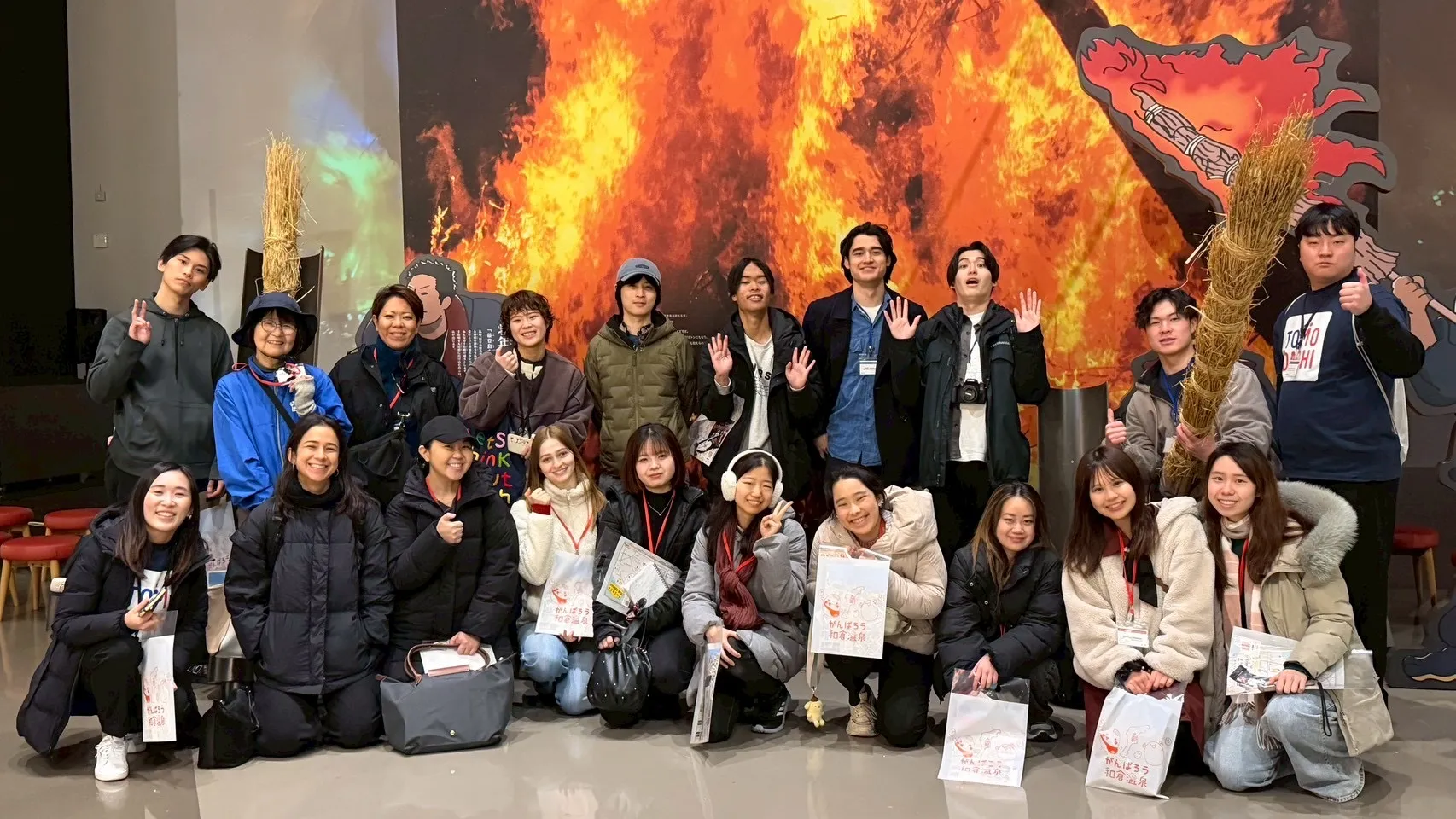
JAPAN Forward launched its “Ignite” series of English essays to directly share the voices of students in Japan with their global peers. A new part of the series features essays written by student alumni of the TOMODACHI Initiative who traveled to the areas affected by the Noto Peninsula earthquake on March 14-15. After visiting areas still bearing the scars of the disaster and meeting with local leaders working on recovery efforts, the participants shared their unique insights and ideas for the future.
The TOMODACHI Initiative is a Japan-US public-private partnership that was launched after the 2011 Great East Japan Earthquake. It aims to develop future leaders in both countries.
In 2011, a massive earthquake in the Tohoku region left more than 20,000 people dead or missing. Many countries responded with support and assistance to Japan, including the United States, which launched “Operation Tomodachi.” Through this operation, US forces stationed in Japan conducted large-scale humanitarian and disaster relief operations alongside Japan’s Self-Defense Forces.
Building on that spirit of cooperation, the US-Japan Council (USJC) and the US Embassy in Japan launched the TOMODACHI Initiative that same year. Its aim is to nurture the next generation of Japanese and American leaders.
Building Leaders
The program began by supporting students in the disaster-affected Tohoku region. It has since expanded into a broader initiative offering entrepreneurship and leadership training to high school and university students across Japan and the United States. Backed by both governments and private companies, the program has engaged more than 11,000 students from both countries over the past 15 years.
One of the initiative’s defining features is that alumni have built their own regional networks. Indeed, alumni volunteers from the Chubu and Hokuriku regions organized this year’s Noto Peninsula Reconstruction Visit Project.
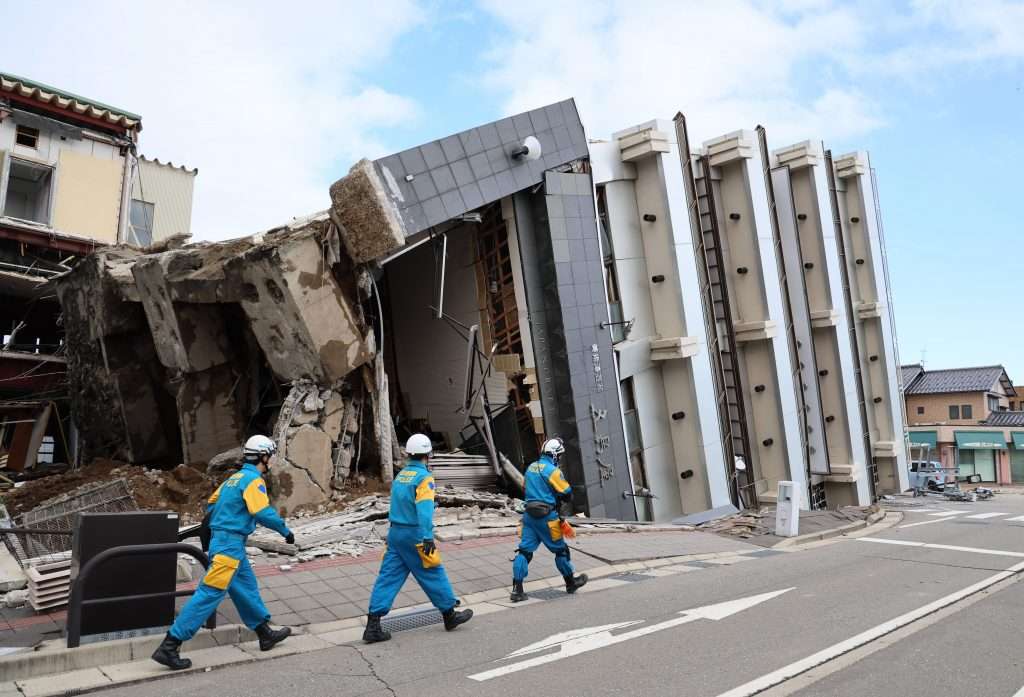 Rescue workers search the devastated Noto Peninsula earthquake area for survivors on January 2, 2024. (©Sankei)
The Noto Peninsula earthquake struck on New Year’s Day 2024. Although that was more than two years ago, the region is still recovering. This March, participants traveled to the Noto region to focus on sustainability and community engagement while learning the realities of long-term recovery firsthand. They also explored how responsible tourism and the concept of “Build Back Better” can support regional economies.
Twenty participants came together from across Japan for the Noto Earthquake Zone project, including 14 alumni aged 18 to 26, and 6 staff and USJC members. There were seven men and 13 women.
Sharing Experiences and Ideas
In Nanao City, Ishikawa Prefecture, they visited Wakura Onsen, a hot spring district that sustained significant damage during the Noto Peninsula earthquake.
There, they met with local leaders involved in the recovery effort. They heard firsthand about the hardships residents faced, including roughly three months without running water and periods of evacuation, as well as the long road toward rebuilding.
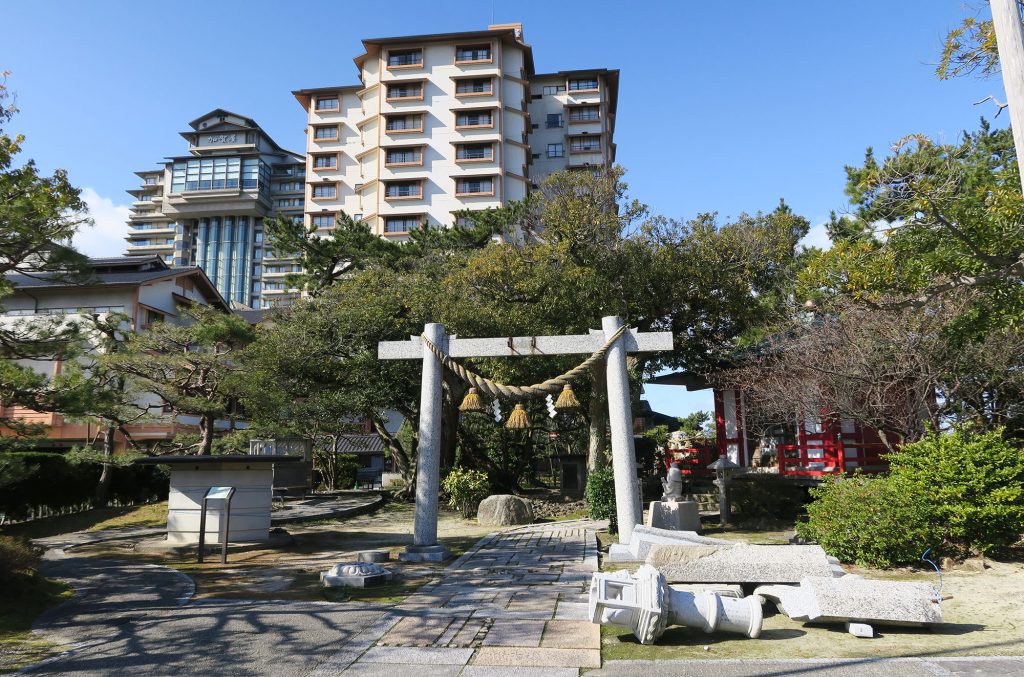 Kagaya Inn in Wakura Onsen, on February 3, 2024. Damage suffered in the January 1 earthquake dominates the landscape. (©JAPAN Forward by Mika Sugiura)
Some of the March 2026 participants were students who had experienced the Great East Japan Earthquake as young children. Today, they are studying at universities in the Tohoku region.
Nine members of the group submitted essays to JAPAN Forward, reflecting on their experiences in both English and Japanese. They will be published as part of this Iginte series, beginning on May 10. Their writing shares their individual experiences, observations, and ideas on disaster preparedness, regional revitalization, and local challenges they have long been engaged with.
Watch for each student’s essay in the JAPAN Forward series, IGNITE, coming on May 10.

RELATED:
Author: Mika Sugiura
Continue Reading
AloJapan.com