
How many of Japan’s 26 UNESCO World Heritage sites have you visited? While places like Himeji Castle, Itsukushima Shrine and Mount Fuji draw huge crowds, others remain surprisingly under the radar. One of them is the Tomioka Silk Mill (Tomioka Seishijo) in Gunma Prefecture.
Opened in 1872 and closed in 1987, it was Japan’s first government-run silk-reeling factory and played a key role in the country’s rapid modernization during the Meiji era.
It may not sound like the most exciting destination at first — but that’s exactly what makes it so surprising. This article explores why Tomioka Silk Mill exceeds expectations and makes a rewarding, low-key day trip from Tokyo.
Surprisingly Massive
Tomioka Silk Mill now operates as a factory tour site and was designated a UNESCO World Heritage site in 2014 as part of the “Tomioka Silk Mill and Related Sites” industrial heritage listing. At first glance, it might sound like a quiet historical facility with limited displays. But that impression doesn’t last long.
After parking nearby and approaching through a street lined with small shops selling snacks and omiyage (souvenirs), visitors are met with a sweeping kawara-tiled roof atop a long brick structure.
This is the Higashi Okimayujo, or East Cocoon Warehouse — one of several National Treasure buildings on the grounds. Its scale is immediately striking, and it quickly challenges the idea that this is just a small, old factory site.
Start at The Warehouse
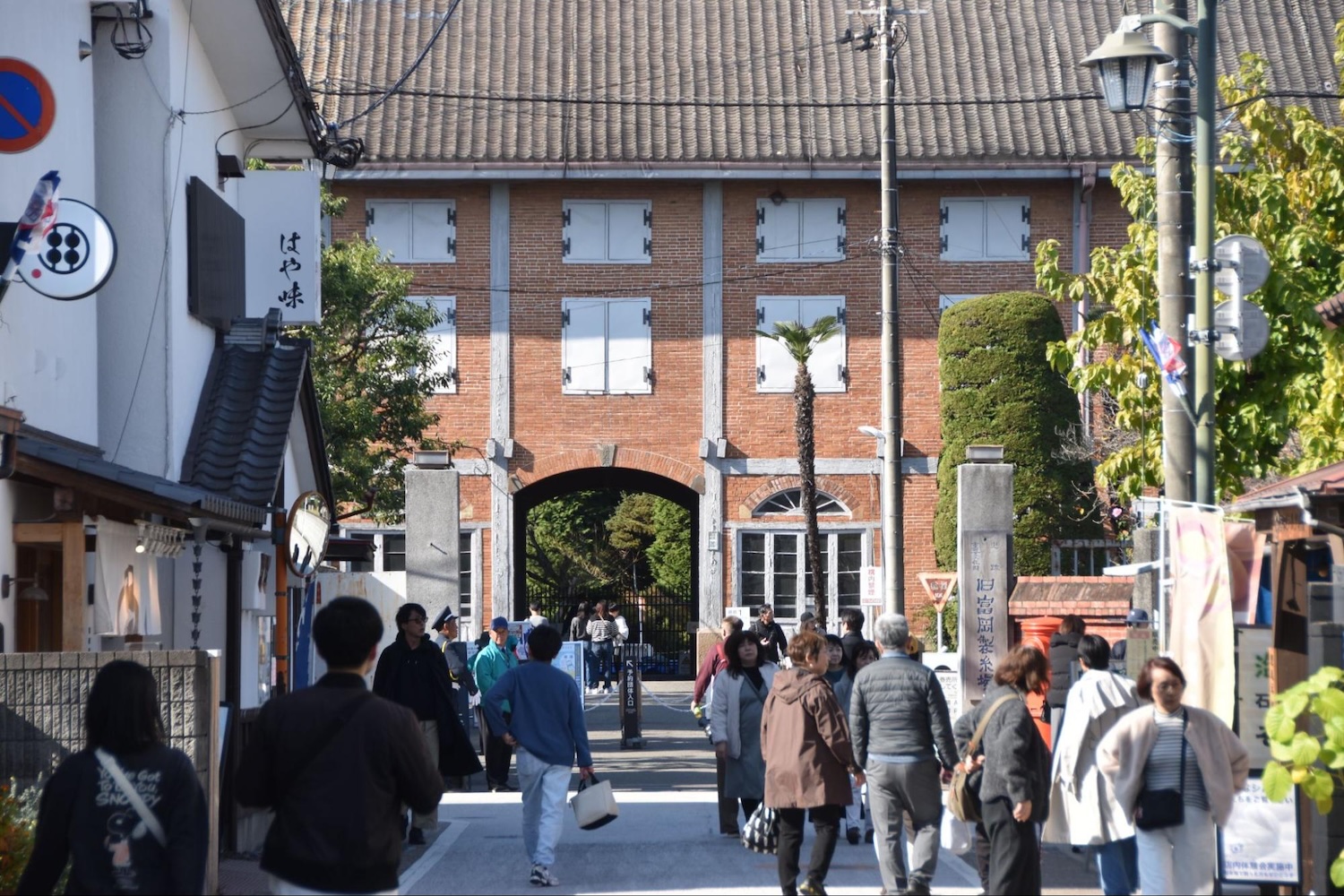
Visitors approach the main gate of Tomioka Silk Mill.
Beyond the entrance gate, the tour typically begins at the East Cocoon Warehouse (Higashi Okimayujo). Measuring over 100 meters in length, the building houses an exhibition hall introducing the history of the mill, its architecture and the development of Japan’s silk industry.
Learning a bit of background here helps put the rest of the site into context. Without it, it can be difficult to fully grasp what you’re looking at. That said, it’s easy to get overwhelmed, so it’s worth skimming the key points before moving on.
As you continue through the grounds, the story of the mill and the silk industry becomes clearer. The site is extensive, so pacing yourself early on helps.
Inside Workers’ Lives
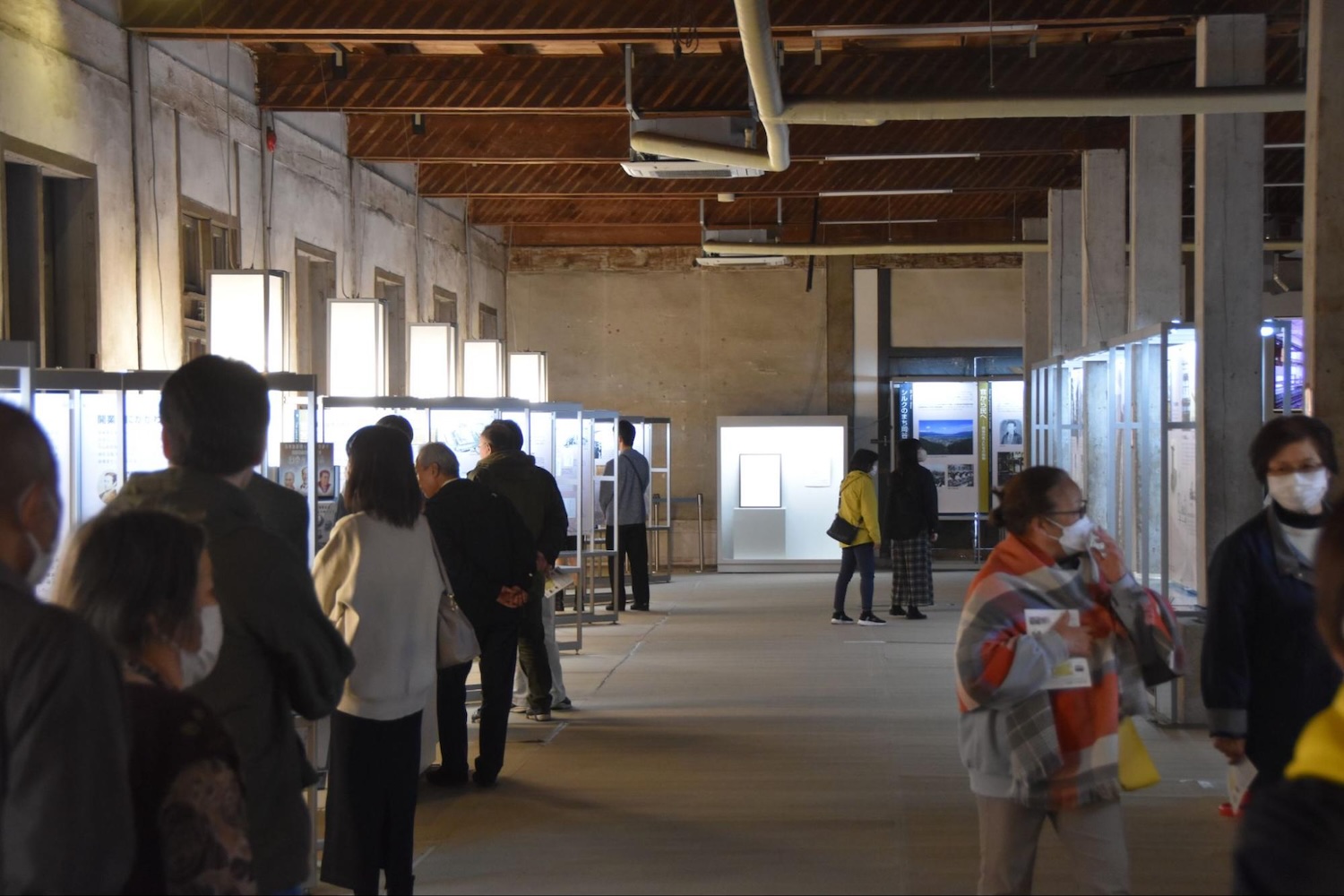
Visitors explore exhibition displays inside one of the former warehouses.
The route continues to the Nishi Okimayujo, or West Cocoon Warehouse, another National Treasure building. Inside, life-size displays — including stacks of cocoon bags and historical materials — illustrate the realities of the silk industry and the lives of the workers who supported it.
As you move through the exhibits, it becomes clear that the mill was part of Japan’s push to modernize during the Meiji era, when the government actively imported Western technology and expertise to strengthen its economy.
Foreign specialists were brought in to guide operations, and workers learned new techniques through hands-on experience. People from across Japan came here as trainees, helping shift the country from traditional hand-reeling methods to mechanized production.
Surprisingly Progressive Conditions
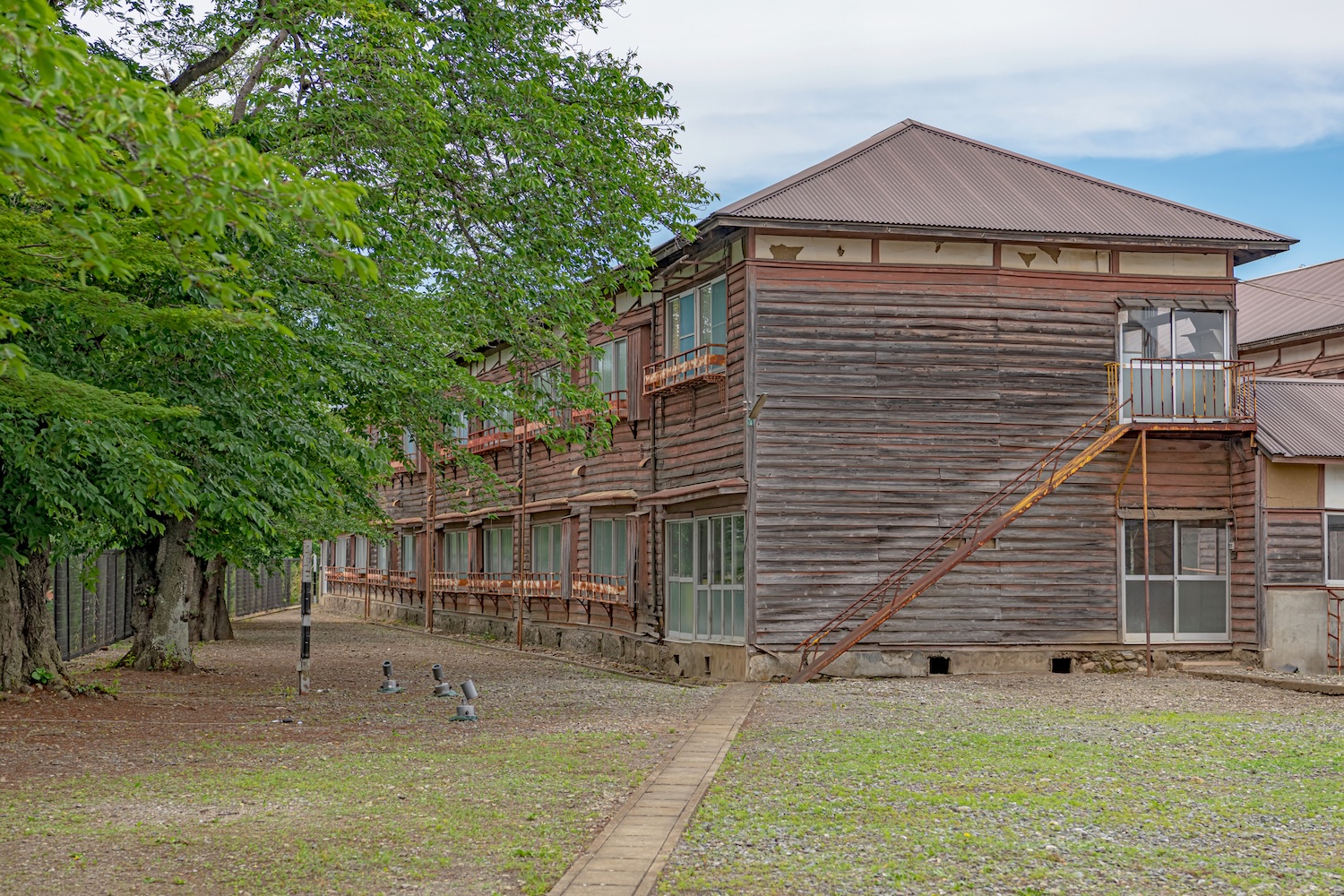
Dormitory of the Tomioka Silk Mill
In the early years after opening in 1872, around 400 female workers — many of them young trainees — worked eight-hour days, with Sundays off and seasonal breaks. They were also provided with dormitories, meals and access to medical care.
At the time, these conditions were relatively progressive, especially compared to those in other industrial workplaces during the early stages of industrialization. However, after the factory was transferred to private ownership in 1893, working conditions gradually worsened. Hours increased to over 10 per day, and regular rest days became less frequent.
Even so, conditions remained better than at many other private silk mills in Japan, where shifts could exceed 14 hours. The experiences of these workers contributed to the growing awareness that eventually led to improved labor protections.
Machines like Modern Art
Click here to read more.
© GaijinPot
AloJapan.com