

Planning a trip to Japan and wondering if Nagoya is worth visiting? The short answer: yes.
Sandwiched between Tokyo and Osaka, Nagoya gets skipped more than it deserves. It’s got samurai history, Toyota factories, anime theme parks, one of Japan’s best food scenes, and a fraction of the tourist crowds. Whether you’re here for a day trip or using it as a base to explore central Japan, here’s everything to do in Nagoya in 2026.
 Stay Up To Date:
– Wise Card Singapore Guide: Fees, Limits, Exchange Rates
– SGD To VND: How To Get The Best Vietnamese Dong Rate
– Winter Wear Singapore: 14 Best Places To Buy, Rent & Save On Winter Clothes
 TL;DR: Nagoya at a Glance
Highlights
Details
Best for
History, food, families, off-the-beaten-path travellers
Ideal trip length
1–3 days
Best time to visit
Spring (Mar–May) or Autumn (Sep–Nov)
Coldest month
January (avg lows of 1°C)
Getting there
Shinkansen from Tokyo (~1 hr 40 min) or Osaka (~50 min)
Local currency
JPY
Best card to use
YouTrip (no FX fees, great JPY rates)
 Table of Contents
What Is Nagoya Famous For?
Why Do People Skip Nagoya?
How To Get to Nagoya
Is Nagoya Worth Visiting?
What To Do in Nagoya for a Day
Top Things To Do in Nagoya
 Historic & Cultural Sites
 Museums & Science
 Nature & Gardens
 Shopping & Entertainment
What To Eat in Nagoya
Day Trips From Nagoya
Nagoya FAQs
What is Nagoya Famous For?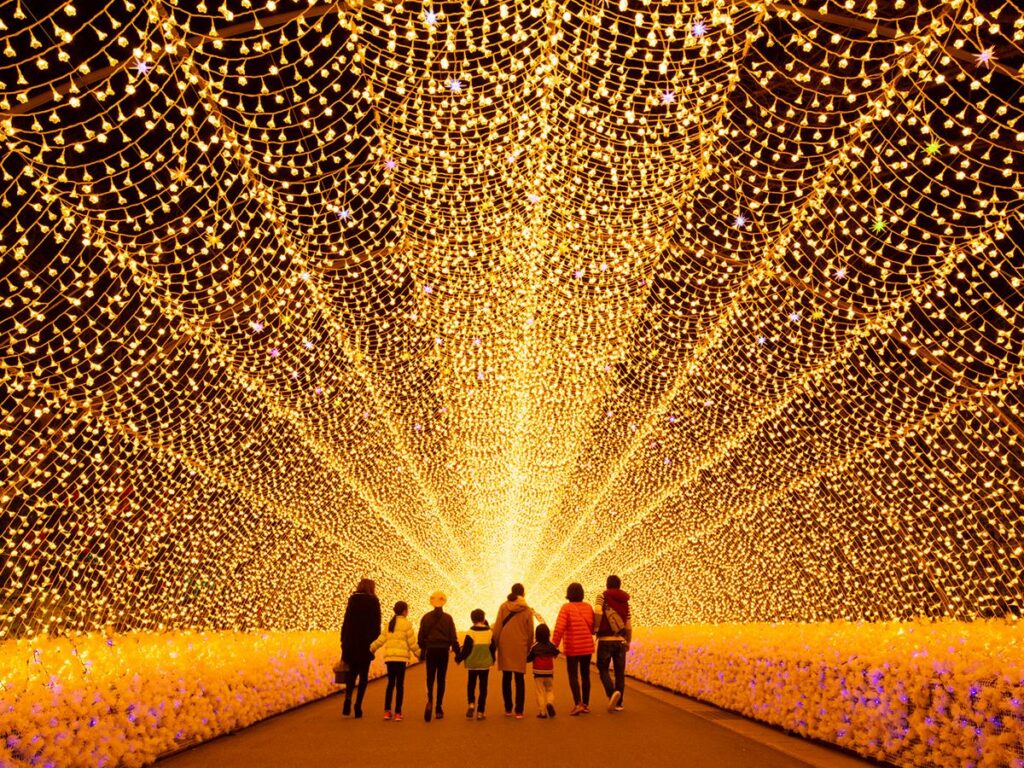
Image Credits: www.nagoya-info.jp
Three things put Nagoya on the map:
History: Nagoya is the birthplace of Japan’s “big three” unifiers — Oda Nobunaga, Toyotomi Hideyoshi, and Tokugawa Ieyasu. You’ll find their legacy in Nagoya Castle, the Tokugawa Art Museum, and the city’s samurai heritage throughout.
Innovation: Toyota was born here. The city has three museums dedicated to its rise from textile machines to global automotive dominance.
Food: “Nagoya Meshi” is a thing, and locals are proud of it. Miso katsu, hitsumabushi, tebasaki chicken wings, kishimen noodles, and the curious ogura toast (sweet bean paste on butter toast) all started here.
 Related Guide: What to Buy in Japan: The Singapore Traveller’s Guide
Why Do People Skip Nagoya?
The honest answer: it doesn’t have a single iconic hook. Tokyo has Shibuya. Kyoto has geisha streets. Osaka has Dotonbori. Nagoya’s charms are more spread out, and the city does not market itself as heavily to international tourists.
But that’s exactly what makes it worth going. The crowds are manageable, the food is genuinely great, and you’ll cover things most Japan travellers have never seen. If you’ve already done the obvious itinerary, Nagoya is the upgrade.
Related Guide: 16 Best Things To Do In Fukuoka, Japan: Attractions & Tips
How to Get to Nagoya
Nagoya sits roughly halfway between Tokyo and Osaka on the Tokaido Shinkansen line, which makes it an easy stopover on any cross-Japan trip.
Image Credits: Japan Guide
 From Osaka to Nagoya:
Nozomi Shinkansen: ~50 minutes (fastest, not covered by JR Pass)
Hikari or Kodama: ~1–1.5 hours (JR Pass accepted)
Highway bus: ~2.5–3 hours (cheapest option)
Frequency: trains depart every few minutes
From Tokyo to Nagoya:
Nozomi Shinkansen: ~1 hr 40 minutes
Hikari / Kodama: ~2–3 hours (JR Pass accepted)
Highway bus: ~5–6 hours (night buses available; good for budget travellers who want to save on accommodation)
 By Air:
Chubu Centrair International Airport (NGO) serves international flights. Airport to city centre: ~30–40 minutes by Meitetsu train or bus.
Related Guide: Okinawa, Japan Travel Guide: Best Things to Do, Itinerary & Tips
Is Nagoya Worth Visiting?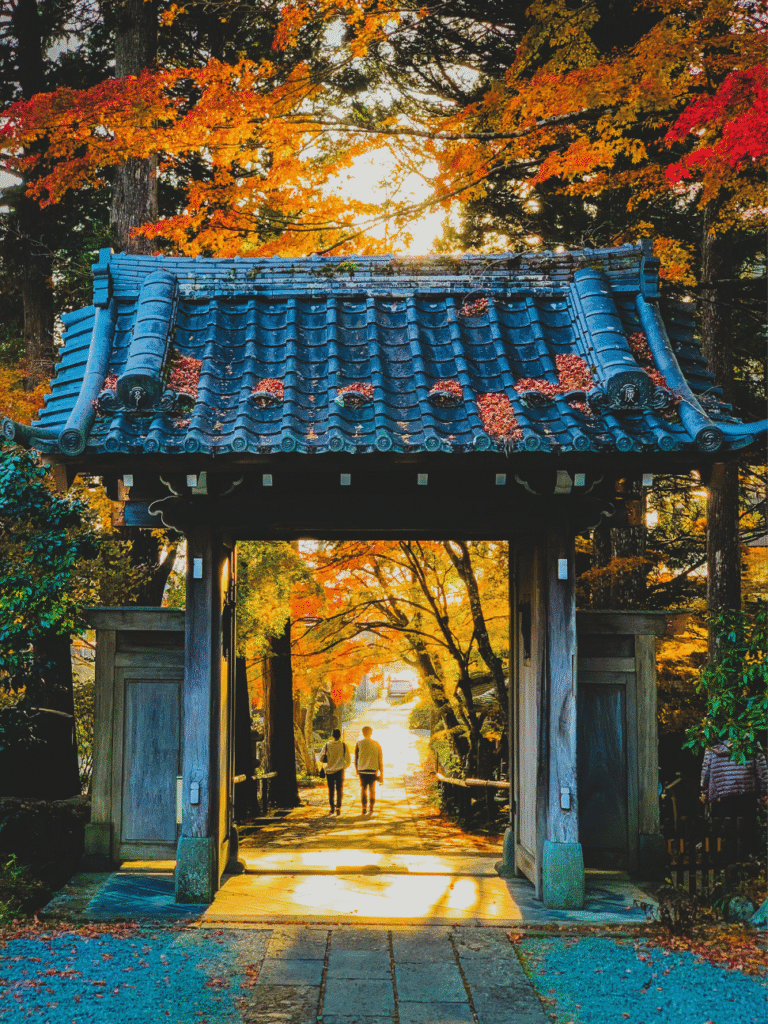
Image Credits: Unsplash
Yes, especially if you’re travelling between Tokyo and Osaka and have a spare day or two. It’s easy to reach, cheaper than both cities, and genuinely rewarding if you like history, food, or anything off the standard Japan circuit.
If you’re only in Japan for a week and sticking to the classic route, Nagoya works best as a day trip from Osaka (50 minutes). If you have 10+ days, it’s worth 2–3 nights as a standalone destination.
Related Guide: Things to Do in Uji, Japan: The Ultimate Day Trip Guide
What To Do in Nagoya for a Day
Short on time? Here’s the tightest one-day Nagoya itinerary:
Morning: Nagoya Castle and the Hommaru Palace
Midday: Osu Shopping District for lunch and street food
Afternoon: Nagoya City Science Museum or Toyota Museum (pick one)
Evening: Sakae district for dinner, drinks, and city lights
Car fans: swap the Science Museum for the Toyota Museum.
Related Guide: Japan Budget Airlines: The Singaporean Traveller’s Guide
Top Things to Do in Nagoya
Historic & Cultural Sites
1. Nagoya Castle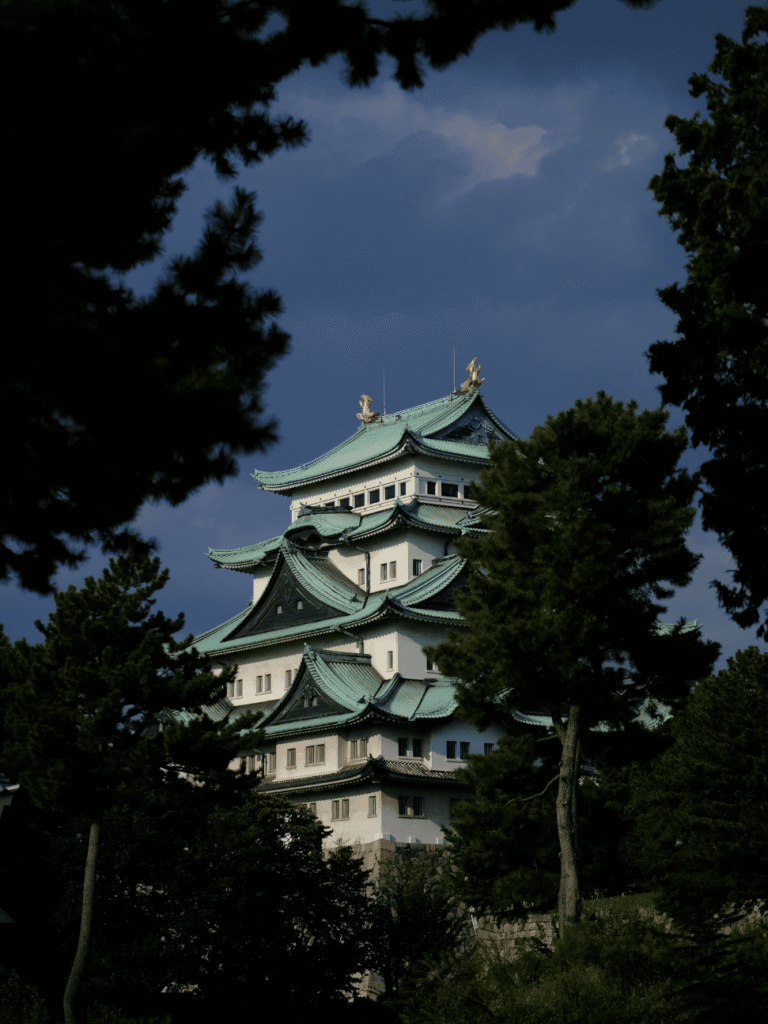
Image Credits: Unsplash
Nagoya’s most recognisable landmark. Built in 1612 by Tokugawa Ieyasu, the castle is famous for the golden shachihoko (tiger-headed carp) on its rooftop.
The main tower keep is currently closed for reconstruction, but the Hommaru Palace is open and genuinely impressive — ornate painted corridors, gold-leaf ceilings, and samurai-era interiors restored to their original detail.
The gardens are worth walking through too, especially during cherry blossom season (late March to early April) and autumn foliage (November).
Address: 1-1 Honmaru, Naka Ward, Nagoya
Hours: 9 AM – 4:30 PM (entry until 4 PM), daily
Admission: 500 JPY (~S$4.03) adults; free for junior high and under
Related Guide: Sapporo, Hokkaido, Japan For The Ultimate Winter Wonderland
2. Atsuta Shrine
Image Credits: Pexels
One of Japan’s most sacred Shinto shrines, said to house the Kusanagi-no-Tsurugi sword, part of the Imperial Regalia. The grounds are covered in a dense, ancient forest that makes it feel more like a retreat than a tourist site. Arrive early to miss the crowds and explore the smaller sub-shrines and the treasure hall.
Address: 1-1-1 Jingu, Atsuta Ward, Nagoya
Hours: Open 24 hours (treasure hall has limited hours)
Admission: Free
Related Guide: Sapporo Beer Museum: A Must-Visit For Beer Lovers In Japan
3. Tokugawa Art Museum
Image Credits: nagoya-info.jp
An excellent museum showcasing the Owari Tokugawa clan’s collection: samurai armour, swords, Noh theatre masks, tea ceremony artefacts, and Edo-period scrolls. The adjacent Tokugawa Garden is a classic stroll garden with ponds and seasonal plantings. Worth a proper half-day, not a quick stop.
Address: 1001 Tokugawacho, Higashi Ward, Nagoya
Hours: 10 AM – 5 PM (entry until 4:30 PM), closed Mondays
Admission: 1,400 JPY (~S$11.29) adults; garden combo ticket 1,550 JPY (~S$12.50)
Related Guide: The Ultimate Universal Studios Japan (USJ) Guide
4. Kakuozan Neighbourhood (Hidden Gem)
Image Credits: Nagoya is not boring
Nagoya’s version of a quiet, artsy neighbourhood. Wander streets lined with independent cafes, boutiques, and a handful of interesting cultural spots. Not on most itineraries (which is the point).
 Furukawa Art Museum & Tamesaburo Memorial
Address: 2-50 Ikeshita-cho, Chikusa-ku, Nagoya
Hours: Tues – Sun, 10 AM – 5 PM (closed Mondays; if Monday is a public holiday, closed Tuesday instead)
Admission: 1,000 JPY (~S$8.06) combined ticket
Nittaiji Temple
Address: 1-1 Hoocho, Chikusa Ward, Nagoya
Hours: Daily, 5 AM – 5 PM
Admission: Free (unique for its Japanese-Thai cultural blend)
Yokiso Villa
Address: 2-5-17 Hoo-cho, Chikusa Ward, Nagoya
Hours: Tues – Sun, 9:30 AM – 4:30 PM (closed Mondays)
Admission: 300 JPY (~S$2.42)
Related Guide: 33 Things to Do in Kyoto, Japan: Top Attractions, Food & Travel Tips
Museums & Science
5. Nagoya City Science Museum
Image Credits: www.ncsm.city.nagoya.jp
Home to the world’s largest planetarium, this museum is a 35-metre silver globe you can spot from outside. On the inside: interactive physics, chemistry, and biology exhibits, tornado simulations, and a lightning lab. Great for families and anyone who wants something hands-on.
Address: 2-17-1 Sakae, Naka Ward, Nagoya
Hours: Wed – Sun, 9:30 AM – 5 PM (closed Mon & Tues)
Admission: 400 JPY (~S$3.23) museum only; 800 JPY (~S$6.45) with planetarium
Related Guide: Japan Rail Pass (JR Pass): The Ultimate Guide To Shinkansen Travel
6. Toyota Commemorative Museum of Industry and Technology
Image Credits: nagoya-info.jp
Housed in a former brick textile factory, this museum traces Toyota’s journey from weaving machines to global car manufacturing. Experience live robot demonstrations, driving simulators, and original looms still running. It’s more interesting than it sounds, even if you’re not a car person.
Address: 4-1-35 Noritakeshinmachi, Nishi Ward, Nagoya
Hours: Tues – Sun, 9:30 AM – 5 PM (closed Mondays)
Admission: 1,000 JPY (~S$8.06) adults
Related Guide: Cherry Blossom Season Japan: Best Time to Visit, Sakura Forecast & Top Viewing Spots
7. Studio Ghibli Park
Image Credits: Klook Travel
Opened in 2022, the park recreates scenes and environments from Ghibli films. It’s not a traditional theme park with rides, but an immersive, atmospheric experience for fans. Tickets sell out fast and must be purchased in advance. Don’t show up without a booking!
Address: Ibaragabasama, Nagakute (near Nagoya, ~40 min by train from Nagoya Station)
Hours: Mon, Wed – Fri, 10 AM – 5 PM; Sat & Sun, 9 AM – 5 PM (closed Tuesdays)
Admission: From 1,000 JPY (~S$8.06) for individual area passes; up to 7,800 JPY (~S$62.90) for the all-area premium pass on weekends
 Book at least 2 months in advance! Tickets go on sale on the 10th of each month at 2 PM JST for dates two months later.
Related Guide: Japan ATM Withdrawal Guide: Fees, Locations, Exchange Rates
Nature & Gardens
8. Shirotori Garden (Hidden Gem)
Image Credits: nagoya-info.jp
A quiet, well-maintained Japanese stroll garden near Atsuta Shrine. Ponds, stone lanterns, maple trees that go red in November, and cherry blossoms in spring. Almost no queues, and it’s genuinely peaceful. 300 JPY well spent.
Address: 2-5 Atsuta Nishimachi, Atsuta Ward, Nagoya
Hours: 9 AM – 5 PM (entry until 4:30 PM), closed Mondays
Admission: 300 JPY (~S$2.42) adults
Related Guide: Japan ATM Withdrawal Guide: Fees, Locations, Exchange Rates
9. Higashiyama Zoo and Botanical Garden
Image Credits: www.nagoya-info.jp
Higashiyama Zoo and Botanical Garden offers a mix of wildlife and horticultural beauty across 60 hectares. With 7,000+ plant species, traditional thatched houses, and seasonal flower displays, it’s perfect for nature lovers seeking a calm escape in the city.
Address: 3-70 Higashiyama Motomachi, Chikusa Ward, Nagoya
Hours: 9 AM – 4:50 PM (entry until 4:30 PM), closed Mondays
Admission: 500 JPY (~S$4.03) adults; combo ticket with Sky Tower 640 JPY (~S$5.16)
Related Guide: 10 Must-Buy Items At Don Quijote In Japan
Shopping & Entertainment
10. Osu Shopping District
Image Credits: Japan Travel
Nagoya’s most entertaining shopping area. A mix of retro arcades, vintage clothing stores, electronics shops, anime goods, and traditional craft outlets spread across a covered arcade. Street food is the main draw — takoyaki, taiyaki, karaage. The nearby Osu Kannon Temple is worth a quick look.
Address: 3 Chome Osu, Naka Ward, Nagoya
Hours: Most shops open 10 AM – 8 PM; arcade 24 hours
Related Guide: Kyushu, Japan: Complete Travel Guide, Map, Weather, Itinerary
11. Sakae District
Image Credits: YOUinJapan.net
Nagoya’s downtown hub. Oasis 21 (a glass and steel structure with a water feature and rooftop park) is the visual centrepiece; the Nagoya TV Tower is next to it. In the evening, Sakae fills up with restaurants, izakayas, cocktail bars, and clubs. Good for dinner and nightlife.
Address: Sakae, Naka Ward, Nagoya
Related Guide: 39 Best Things To Do In Osaka: Attractions, Activities, Day Trips
12. Nagoya Pokémon Centre
Image Credits: Nagoya is not boring
Recently renovated and stocked with exclusive Nagoya-specific merchandise: plush toys, apparel, trading cards, and event items. Free to enter. Worth 30 minutes even if you’re not a serious collector.
Address: Nagoya PARCO East Building 2F, 3-29-1 Sakae, Naka-ku, Nagoya
Hours: Daily, 10 AM – 9 PM
Admission: Free
Related Guide: 35 Best Things To Do In Tokyo: Local Picks, Iconic Spots
What To Eat in Nagoya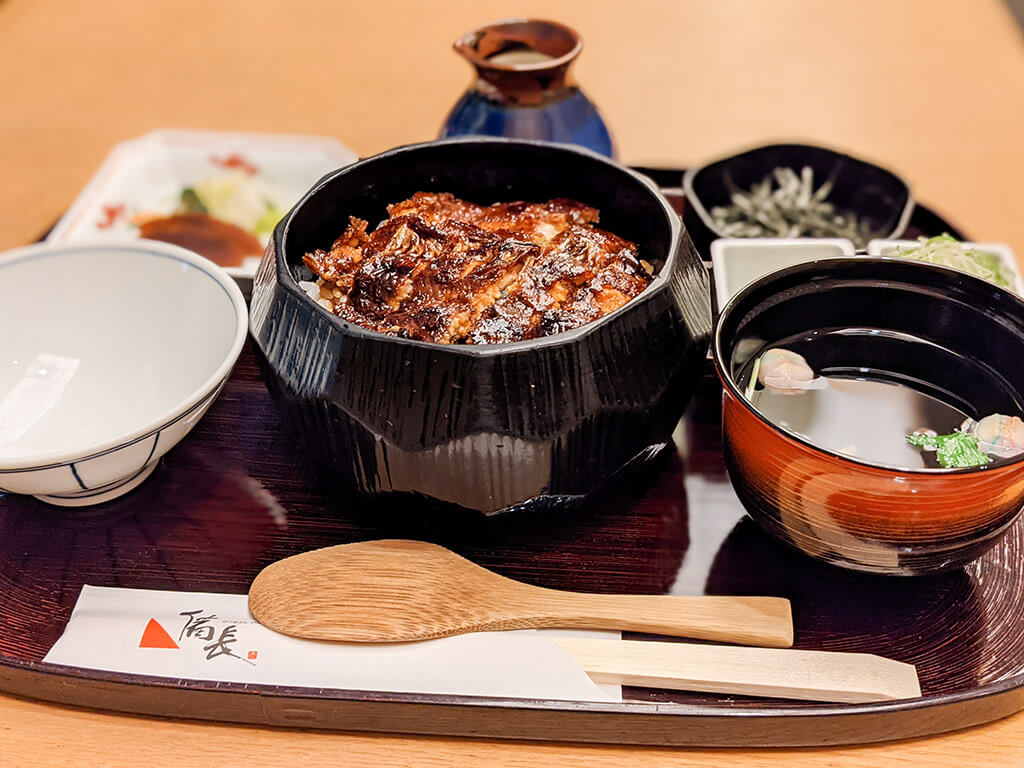
Image Credits: Nagoya is not boring
Nagoya Meshi (Nagoya-style food) is a real thing, and locals take it seriously. Don’t leave without trying at least two of these:
Dish
What It Is
Where to Try
Hitsumabushi
Grilled eel over rice, eaten three ways: plain, with condiments, and as ochazuke (with dashi broth)
Atsuta Horaiken (the original)
Miso Katsu
Pork cutlet topped with rich Hatcho miso sauce
Yabaton (local chain)
Tebasaki
Crispy chicken wings, marinated and double-fried
Yamachan
Kishimen
Flat, wide udon noodles in a light soy broth
Most traditional restaurants
Ogura Toast
Thick toast with butter and sweet red bean paste — a Nagoya breakfast staple
Any traditional kissaten (old-school coffee shop)
 Pro tip: Hitsumabushi has been perfected by some restaurants for over 100 years. It’s worth queuing for.
Related Guide: ICOCA Card Japan Guide: Where to Buy, How to Use, Suica Comparisons
Day Trips From Nagoya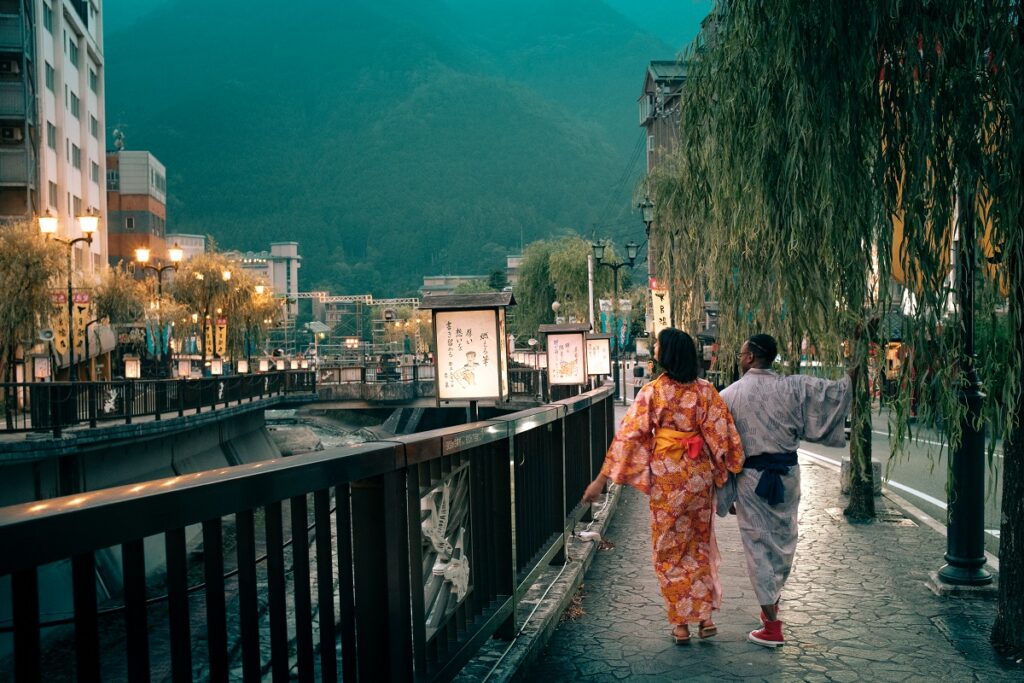
Image Credits: VISIT GIFU
Nagoya’s central location makes it a good base for central Japan:
Destination
Travel Time
Why Go
Inuyama
~30 min by train
One of Japan’s few original castles (not reconstructed), sake breweries, old town
Gero Onsen
~1.5 hrs by train
Classic hot spring town, great for a winter onsen day trip
Takayama
~2 hrs by bus or train
Historic merchant town, morning markets, excellent sake
Shirakawa-go
~2.5 hrs by bus
UNESCO-listed thatched farmhouses, best in winter snow
Kyoto
~35 min by Shinkansen
Close enough for a day trip, though an overnight stay does it justice
Related Guide: Suica Card Japan Guide: How To Use, Where To Buy & Tourist Tips
Nagoya FAQs
Q: What is Nagoya famous for?
History (birthplace of Japan’s three great unifiers), Toyota, and Nagoya Meshi — a distinct local food culture built around miso katsu, hitsumabushi, tebasaki, and kishimen.
Q: Why do people skip Nagoya?
It doesn’t have one iconic image that sells itself on Instagram. Nagoya’s value is in its combination of history, food, easy transit, and no crowds. Travellers who’ve already done Tokyo, Osaka, and Kyoto tend to find it the most rewarding stop they hadn’t planned.
Q: Which is better: Nagoya or Osaka?
It depends on what you want. Osaka is louder, more food-forward, and packed with landmarks. Nagoya is quieter, more manageable, and has a more distinctive local identity.
They’re not really comparable, and at 50 minutes by Shinkansen, you don’t have to choose just one.
Q: Is Nagoya worth visiting?
Yes, especially as a stopover or if you’ve already done the standard Japan route. One day covers the highlights; two days lets you add Ghibli Park or a day trip.
Q: What is the best time to visit Nagoya, Japan?
Spring (March–May) for cherry blossoms, or autumn (October–November) for foliage. Summer is hot and humid; winter is cold but manageable, and the Nabana no Sato illuminations (December–March) are worth the trip on their own.
Q: What is the coldest month in Nagoya?
January, with average lows around 1°C. Pack accordingly.
Q: Things to do in Nagoya with kids
Studio Ghibli Park, Nagoya City Science Museum, Higashiyama Zoo, and the Pokémon Centre are all strong picks. Nagoya Castle is also worth a visit as kids tend to like the golden shachihoko story.
Q: Things to do in Nagoya at night
Oasis 21 and the Nagoya TV Tower for views, Midland Square Sky Promenade for a romantic skyline spot, and the izakayas in Sakae for food and drinks. The district stays lively until late.
Q: Things to do in Nagoya in winter and December
Nabana no Sato winter illuminations (December–March) are among the best in Japan. Sakae has good Christmas shopping. Shirotori Garden looks beautiful in the snow. And Gero Onsen (a 1.5-hour train ride) is an easy onsen day trip.
Q: What are unique things to do in Nagoya?
Kakuozan neighbourhood, the SCMAGLEV and Railway Park (if you’re into maglev trains), a Nagoya Meshi food tour, and Studio Ghibli Park (still novel compared to most Japan parks).
Q: Where to shop in Nagoya?
Osu for vintage, anime, and quirky finds. Sakae (Mitsukoshi, Matsuzakaya, PARCO) for mainstream and luxury brands. The Pokémon Centre for exclusive merch.
Ikimashou!
Image Credits: nagoya-info.jp
Nagoya doesn’t try to impress you. It just quietly gets on with being good — great food, legitimate history, a world-class car museum, and one of the best anime parks in Japan. Skip it if you want. The ones who don’t tend to be glad they didn’t.
 Tip: Don’t forget to bring your YouTrip card for bigger savings with the best JPY rates and zero FX fees when travelling around Nagoya.
Not a YouTrooper yet? Get a free YouTrip card + S$5 YouTrip credits with code .
Then, head over to our YouTrip Perks page for exclusive offers and promotions — we promise you won’t regret it. Join our Telegram (@YouTripSG) and Community Group (@YouTripSquad) for travel tips, event invites, and more!
Happy travels!
Related Articles
Car Rental Tokyo Guide: Top Providers, Prices & Tips for Tourists
MITSUI OUTLET PARK KISARAZU: Your Ultimate Shopping Getaway From Tokyo
Shinkansen Tokyo To Osaka Guide: Fares, Trains, Tickets, Alternatives


The post Best Things To Do In Nagoya City, Japan: The Ultimate 2026 Guide appeared first on YouTrip Singapore.
AloJapan.com