
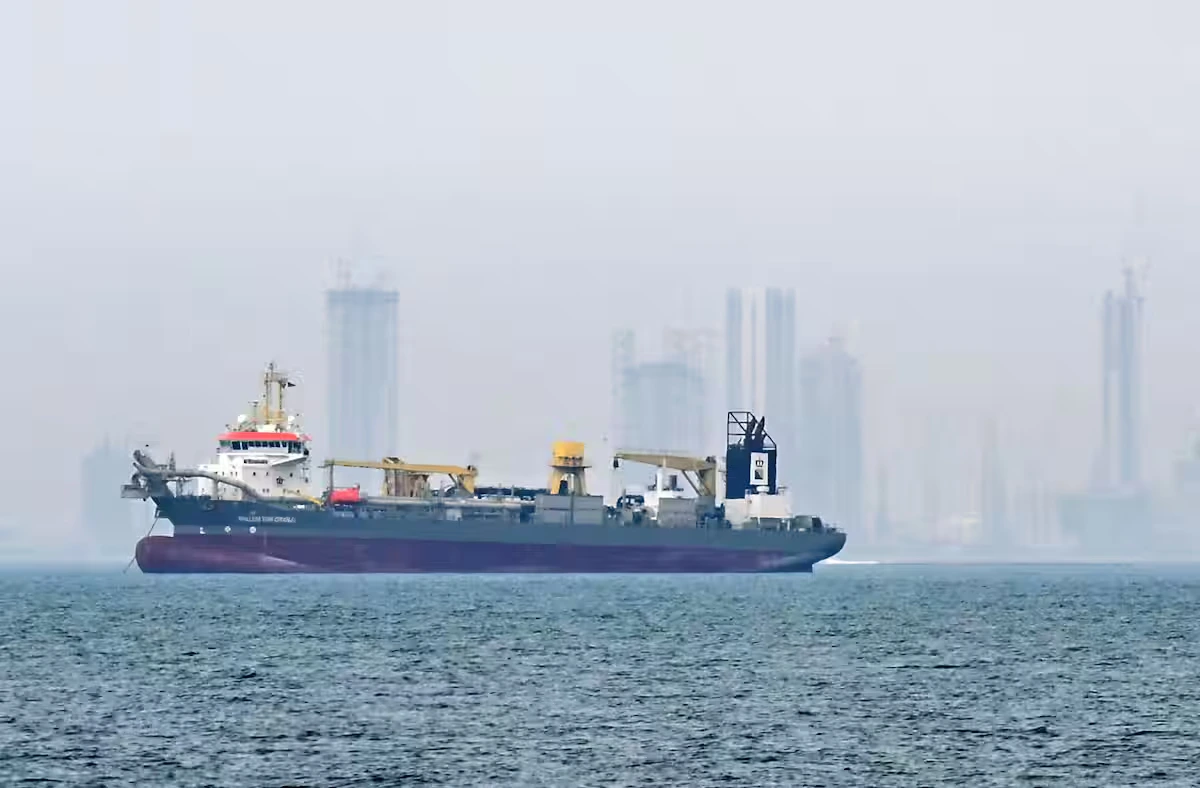
Analysts have found that narratives stoking anxiety over Japan’s energy supply spread rapidly on X, after a Russian-linked account posted about the de facto blockade of the Strait of Hormuz in early March.
The campaign appears to have been aimed at inflaming anti-US sentiment in Japan by blaming the oil shortages on American strikes on Iran. It also seems intended to undermine public confidence in the Takaichi administration’s ability to manage the unfolding crisis.
The analysis was conducted by Takamichi Saito, a professor at Meiji University’s Cybersecurity Laboratory. According to Saito, the series of digital influence operations on social media began with an English-language post on X on March 8.
60% Believed to Be Bots
An account believed to be linked to Russia claimed that a major Japanese oil company had resumed importing oil from Russia amid Iran’s disruption in the Strait of Hormuz. There is no evidence that Japan has resumed imports from Russia, which remains under sanctions.
Still, at a time when concerns over energy procurement were already simmering, the claim seemed plausible. “The idea that a Japanese company had moved to secure alternative supplies would be easy for the public to accept as realistic, even if the supplier was Russia,” Saito said.
Saito’s team collected and analyzed Japanese- and English-language posts related to the claim. They found that within two days of the original March 8 X post, four pro-Russian influencer accounts had translated, quoted, and amplified it.
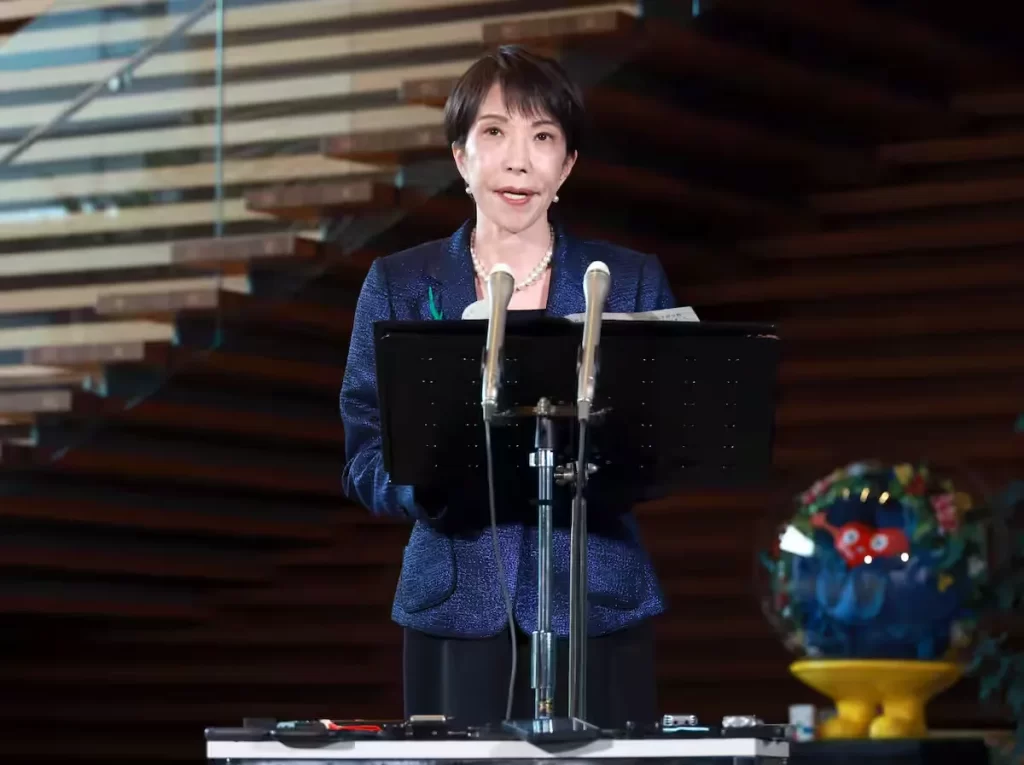 Prime Minister Sanae Takaichi speaks to reporters at the Prime Minister’s Office on the afternoon of April 15 after an online AZEC summit on energy cooperation. (©Sankei/Ataru Haruna)
The narrative then spread rapidly in Japanese-language spaces, drawing more than 2 million views in total. By contrast, its spread in English remained limited, suggesting that Japanese audiences may have been the primary target.
On March 9, the day after the initial post, researchers observed signs of amplification by bots, automated programs that repeatedly post or repost content. More than 60% of the related posts appeared to come from bot-like accounts. Dozens to thousands of accounts believed to have links to Russia or China were also involved.
The timing of the surge in posts closely matched the rise in suspected bot activity. Saito said this “suggests the possibility of coordinated amplification.”
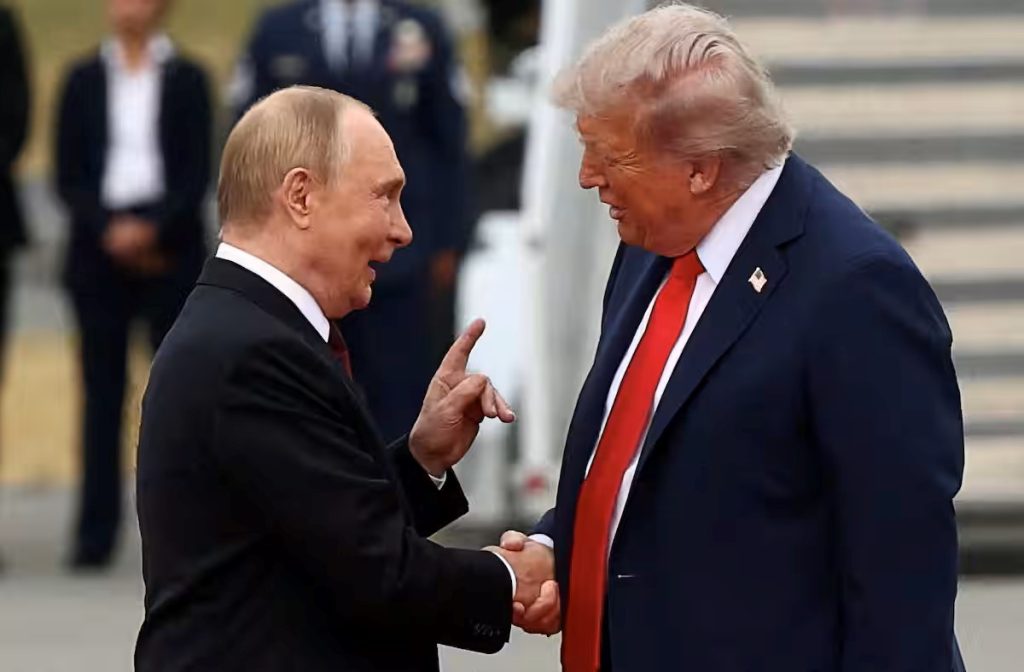 Russian President Vladimir Putin speaks to US President Donald Trump upon arriving at Fort Elmendorf-Richardson in Anchorage, Alaska, on August 15, 2025. (©Reuters via Kyodo)
Falsehoods Find Fuel
On March 15, an account affiliated with the Russian media outlet Sputnik Japan appeared to reinforce the original claim by posting that Japan had resumed oil imports from Russia in June 2025.
Saito said this was a form of information manipulation that mixed truth and falsehood to increase credibility.
According to Saito, the structure of such digital influence operations tends to follow a pattern. First, an incendiary post is picked up by accounts with hostile intent, which then boost activity through bots and other means to increase visibility on X.
As the content becomes more likely to be prioritized by the platform, influencers with no malicious intent may quote and repost it. In the end, a small number of initial posts can create an environment in which users are repeatedly exposed to a specific narrative. Some of that narrative is then absorbed, gradually shaping perceptions and public opinion.

Possible Sino-Russian Coordination
Based on the content of the posts and the way they spread, Saito said there is a possibility that a deliberate effort was made to steer public perception in a particular direction.
So far, the Japanese government has released oil from its reserves, and no hoarding or similar behavior has occurred. Even so, Saito warned that “continued vigilance and analysis are essential when narratives spread in tandem with a worsening social situation.”
He also noted that efforts to drive a wedge between Japan and the US, or to fuel criticism of the Takaichi administration, align with Beijing’s interests. Given Russia and China’s tendency to coordinate in the information domain, Saito said the possibility of Sino-Russian cooperation in such a manipulation campaign cannot be ruled out.
RELATED:
Author: Makiko Takita, The Sankei Shimbun
(Read this article in Japanese)
Continue Reading
AloJapan.com