
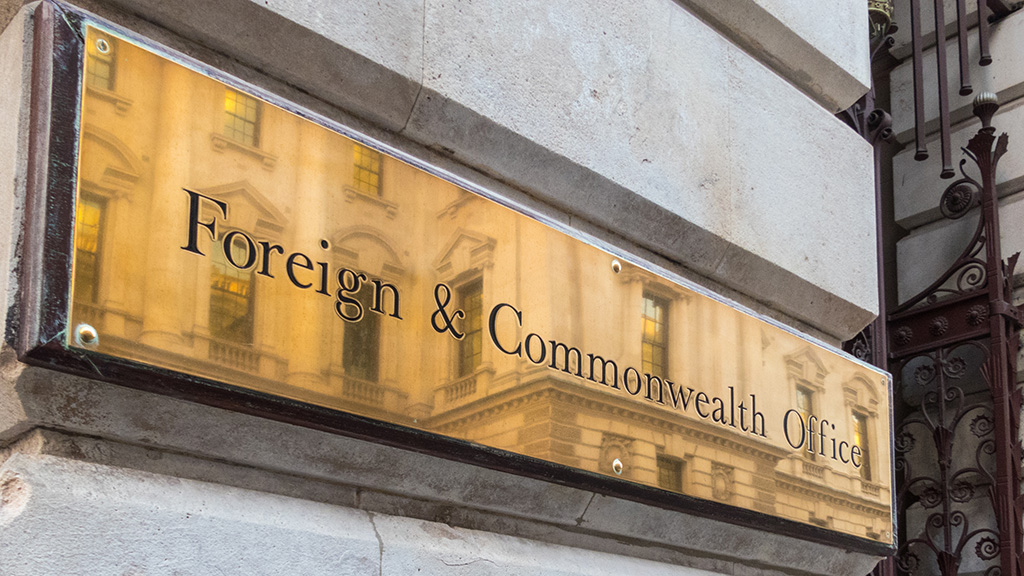
Corporate travel managers have a fresh batch of homework on their desks this week after the Foreign, Commonwealth and Development Office (FCDO) issued sweeping updates to its travel guidance for 12 countries, spanning four continents and covering everything from armed conflict and disease outbreaks to biometric border controls and earthquake aftershocks.
The breadth of the revisions, touching destinations in Africa, Asia, Europe and the Caribbean, is a pointed reminder that the global risk map is being redrawn in close to real time, and that pre‑trip checks made even a fortnight before departure may already be out of date.
Security flashpoints widen
Two African destinations top the list of concerns. Eritrea has been singled out for “rapidly changing” security conditions amid mounting tensions with neighbouring Ethiopia, and the FCDO is urging anyone with business in the country to steer clear of areas with military activity and to lean heavily on local advice once on the ground.
Mali, meanwhile, remains firmly in the “do not travel” category following a wave of coordinated attacks across several regions. Curfews and movement restrictions are still being enforced, effectively closing the country to all but the most essential corporate activity.
Health risks climb in the Maldives
Business travellers heading to the Maldives, increasingly popular for incentive trips and small‑group executive retreats, are being warned of a sharp rise in dengue fever cases. The FCDO is advising a thorough vaccination and health review well in advance of departure, along with the usual mosquito‑bite precautions.
In Vietnam, the focus has shifted to ground transport. The Foreign Office has refreshed its guidance on road laws, vehicle hire and accident liability, a material concern for executives shuttling between Hanoi, Ho Chi Minh City and the country’s burgeoning industrial parks.
New red tape at the border
Several countries have tightened entry procedures. Laos is now requiring all foreign nationals to complete a digital immigration form within three days of both arrival and departure, adding a small but easily overlooked step to itineraries.
Kuwait has introduced an unusual new wrinkle: British travellers using the visa‑on‑arrival route must now notify the British Embassy 24 hours before crossing the Saudi‑Kuwait land border. Travel managers handling Gulf itineraries will want to build that lead‑time into bookings immediately.
China continues to extend its visa‑free regime for UK passport holders on short stays until the end of 2026, but the FCDO has reiterated a critical caveat: anyone travelling for work, study or journalism must still secure the correct visa in advance. The wording matters, many business trips that feel “exploratory” still fall on the wrong side of that line.
Japan braces for further tremors
Following the major earthquake of 20 April, Japan has issued fresh alerts warning of the potential for strong aftershocks across several northern prefectures. Travellers with meetings in the affected regions are being urged to register with their hotels’ emergency protocols and to keep itineraries flexible.
Caribbean crime warning
In the Caribbean, St Vincent and the Grenadines has recorded an uptick in serious crime, including gang‑related incidents. The FCDO is recommending heightened personal security measures, particularly after dark, relevant for executives attending conferences or on island‑hopping schedules.
A rare piece of good news from Europe
There is at least one update that will be welcomed by frequent flyers. Greece has confirmed it will start collecting biometric data under the EU’s long‑awaited Entry/Exit System, but UK travellers are exempt, a meaningful reprieve for the City professionals, consultants and trade delegations who treat Athens and the Greek islands as a regular fixture in the corporate calendar.
Taken together, the latest FCDO refresh underscores a now‑familiar truth for corporate travel programmes: duty‑of‑care obligations cannot be discharged at the point of booking. With security, health and regulatory conditions shifting on a near‑weekly basis, travel managers are increasingly being judged on how close to the wheels‑up moment their risk assessments are made, and how quickly they can pivot when the picture changes again.
Post navigation
AloJapan.com