
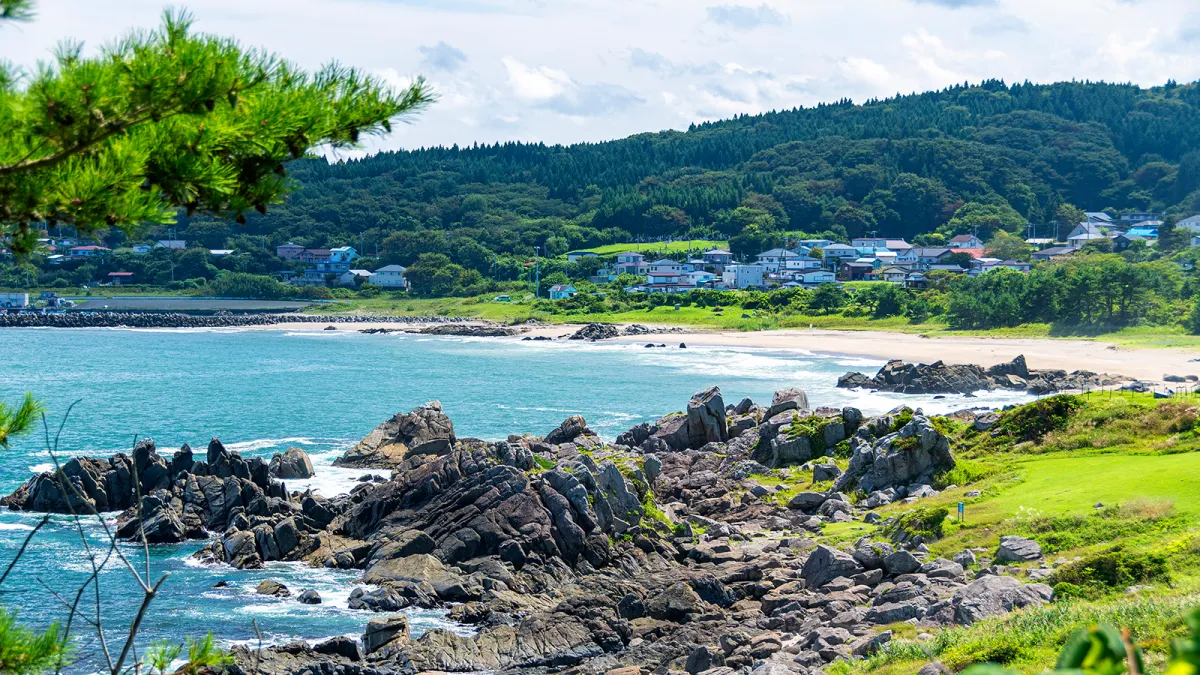
Japan has been hit by a tsunami after a 7.5 magnitude earthquake struck just off the coast of Sanriku, in the northeast. The first waves reached the Iwate prefecture on April 20, with 80cm being the highest recorded so far. Further waves are expected in the Hokkaido and Iwate prefectures, with the Japan Meteorological Agency (JMA) forecasting waves of up to 3m. There are currently tsunami warnings in place for the Hokkaido, Aomori and Iwate prefectures, with people advised to seek higher ground. The JMA has also warned that there may be further earthquakes and landslides in the coming days. Here’s what you need to know if you have a trip to Japan booked.
Where was the earthquake?
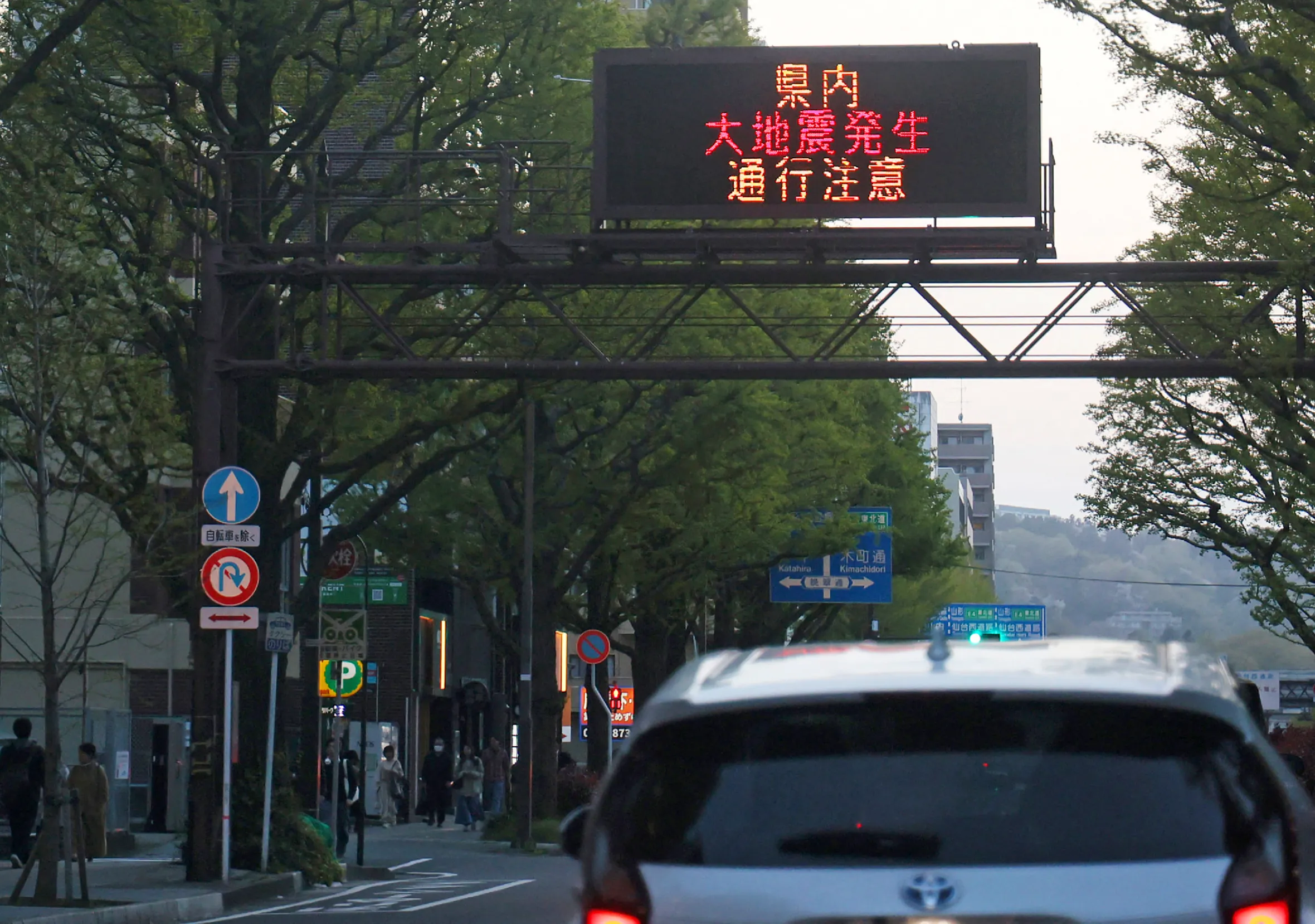 Bulletin board earthquake warning in Sendaigetty images
The earthquake struck off the coast of the Sanriku region in the country’s northeast shortly before 5pm local time on April 20. It measured 7.5 on the Richter scale. Following the earthquake, tsunami warnings were issued for the central part of the Pacific coast of Hokkaido, the Pacific coast of Aomori prefecture and the Iwate prefecture.
The UK Foreign Office has not updated its travel advice for Japan.
What should I do if I’m in a country with a tsunami warning?
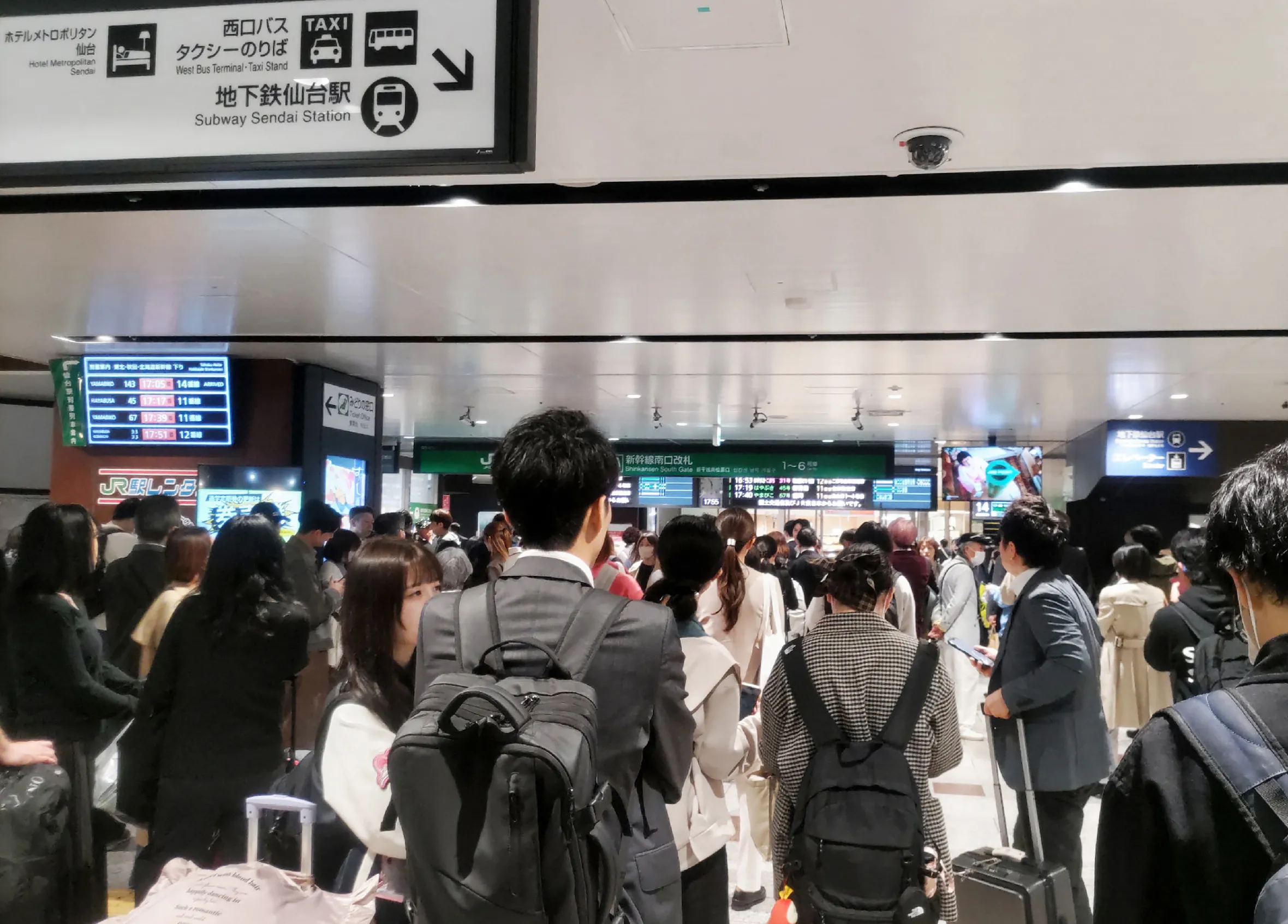 Railway station in Sendai as Shinkansen services are suspended getty images
So far, the impact of the tsunami has not been as bad as expected. However, if you are somewhere with a tsunami warning the best resources are the country’s local weather service or meteorological agency, which in Japan is jma.go.jp. If you’re staying in a coastal area that is under a tsunami warning, follow advice of local authorities, which may include moving to higher ground.
Initial reports suggest that the waves have been under 3m in height, which could lead to flooding of coastal roads, communities and ports.
Travel newsletter
Your weekly round-up of the best travel inspiration, guides, hotel reviews and advice from our experts.
Sign up with one click
Is it safe to travel to Japan?
The UK Foreign Office considers the whole of Japan to be safe to travel to but the sensible thing to do is to stay away from the coastal areas in north-east Japan where there are tsunami warnings in place. If you have a holiday booked to one of the affected areas that’s departing imminently, it’s best to get in touch with your travel provider to explore your options.
If you have a package holiday booked, the company that sold you your trip should be finding a suitable alternative for you — or cancelling your trip and offering you a full refund if no suitable alternatives are possible.
If you’ve booked your flights and accommodation separately, you will need to get in touch with each company separately. Your flights are most likely still operating, which means you’ll be expected to travel and you won’t get a refund if you decide to cancel. If your hotel is in the areas affected by the tsunami warning, get in touch with the property if they haven’t proactively cancelled your reservation. It is however up to you to make your own alternative travel arrangements in Japan.
Am I covered by my travel insurance?
If your travel plans have been disrupted, you may be able to cover some of your out of pocket expenses through your travel insurance. It will depend on your policy so check the fine print.
AloJapan.com