
What to Expect on the Climb
The ascent of Mount Fuji begins with relatively gentle slopes, but the difficulty increases steadily as climbers gain elevation. Higher up the mountain, the terrain becomes noticeably steeper and more rugged, consisting largely of volcanic rock, loose gravel, and uneven paths that can be tiring and sometimes unstable underfoot.
As altitude increases, conditions become significantly more demanding. The air grows thinner, making each step more physically taxing, while temperatures drop sharply—often falling below freezing near the summit, even during the summer climbing season. Weather conditions can also shift very quickly, with strong winds, sudden rain, or dense fog appearing with little warning, adding to the challenge of the ascent.
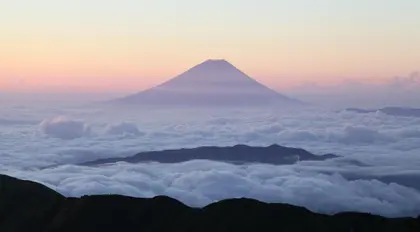
Despite these difficulties, the experience is highly rewarding. Climbers are treated to sweeping views that stretch above the clouds, dramatic volcanic landscapes shaped by Mount Fuji’s geological history, and a powerful sense of accomplishment upon reaching higher elevations. Many also find a strong feeling of camaraderie with fellow hikers, as shared effort and encouragement become an important part of the journey to the summit.
Essential Preparation
Proper preparation is key to a safe and enjoyable climb. Be sure to bring the following:
Warm, layered clothingWaterproof jacket and pantsSturdy hiking bootsGloves and a hatHeadlamp (especially for overnight climbs)Sufficient food and 2–3 liters of waterCash for mountain huts and facilities
Taking time to acclimatize, pacing yourself, and staying hydrated can greatly reduce the risk of altitude sickness.
Challenges and Safety Tips
Although Mount Fuji does not require technical climbing skills, it should not be underestimated. Common challenges include:
Altitude sickness, causing headaches, nausea, and fatiguePhysical exhaustion from long, steep climbsSudden weather changes
To stay safe:
Avoid rushing the ascentTake regular breaksConsider staying overnight to acclimatizeTurn back if conditions become unsafeExperiences Beyond the Summit
Even for those who do not climb all the way to the top of Mount Fuji, the surrounding region offers a wide variety of rewarding experiences that allow visitors to appreciate the mountain in a more relaxed way. One of the most accessible options is to visit the 5th Station, where panoramic views often stretch across the landscape and, on clear days, reveal the mountain rising dramatically above the surrounding scenery.
Beyond the mountain itself, the Fuji area is also home to the beautiful Fuji Five Lakes region, where visitors can enjoy peaceful lakeside walks, seasonal scenery, and some of the most iconic reflections of Mount Fuji in the water. In addition, the region is dotted with cultural and scenic landmarks that provide insight into local traditions, natural history, and the mountain’s long-standing spiritual significance.
Together, these experiences offer an excellent alternative for travelers who want to enjoy Mount Fuji’s beauty and atmosphere without undertaking the full physical challenge of the climb.
Want more news on Japan and Japan travel? Be sure to subscribe to our newsletter and follow us on Instagram!
AloJapan.com