
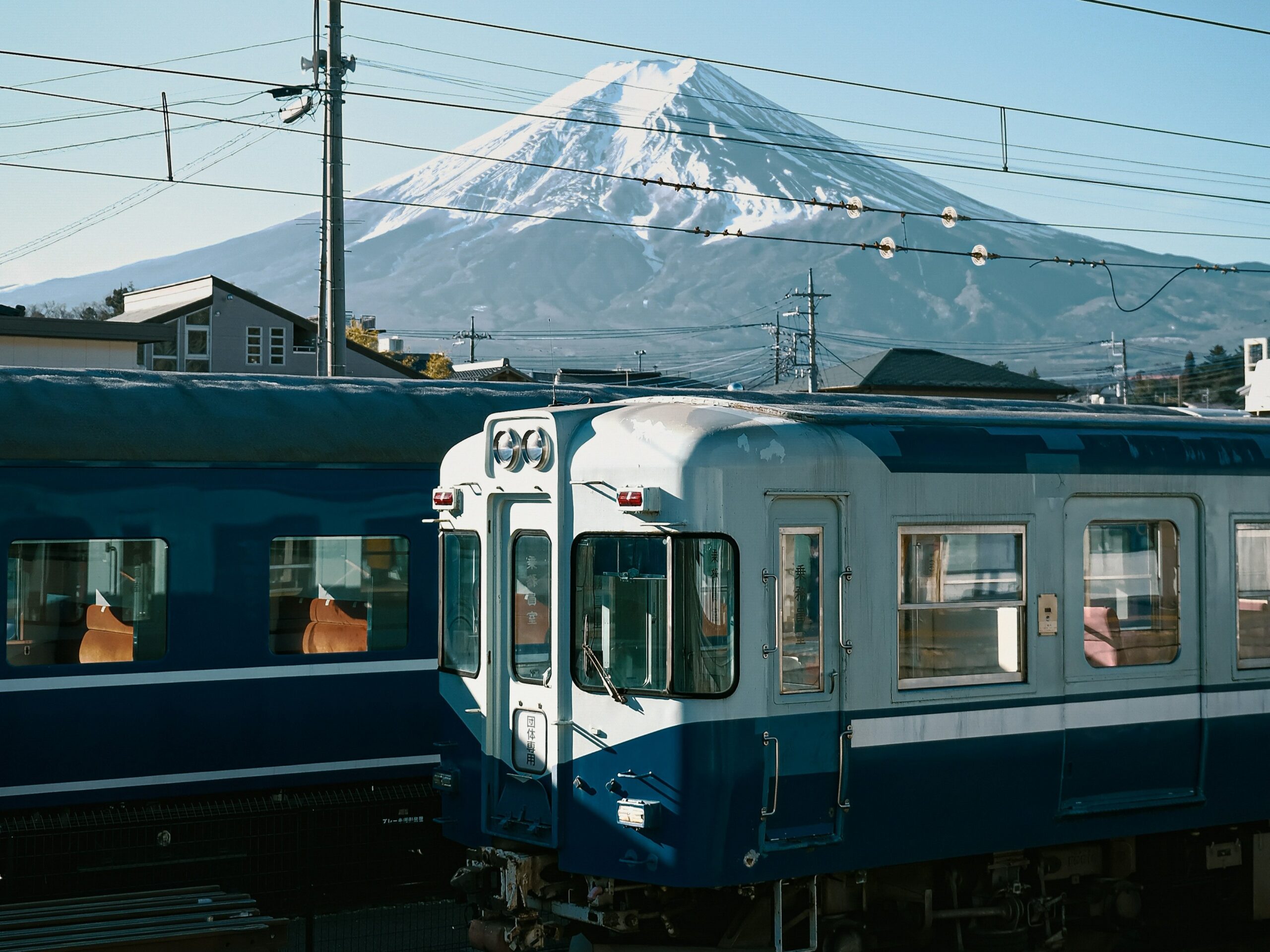
The price of Japan’s popular Japan Rail Pass, widely used by international tourists for unlimited train travel across the country, will increase from 1 October, according to railway operator announcements.
The change marks the first revision to the pass in three years and will affect passes sold to foreign visitors through official channels and travel agents. The Japan Railways Group (JR Group) said the adjustment reflects cumulative fare changes across several of its member companies, following earlier increases in domestic ticket prices.
JR Group will raise prices for the Japan Rail Pass from October 1, 2026, but only for passes purchased through overseas sales agents. The last major Japan Rail Pass price update was in October 2023.
Prices on the official Japan Rail Pass online reservation service will remain… pic.twitter.com/oMeT6c9aru
— Japan Station (@JPNStation) April 9, 2026
Under the new pricing structure, an ordinary seven-day adult pass will rise by 3,000 yen to 53,000 yen (about €284), while the Green Car premium version will increase by 4,000 yen to 74,000 yen (about €395). Longer-duration passes are also affected: the 14-day ordinary pass will increase to 84,000 yen (€520), and the 21-day version will rise to 105,000 yen (€650) for adults in standard cars, and by 7,000 yen to 147,000 yen (€910) for those travelling in premium seats.
The JR Group has said the price revision follows earlier adjustments made by individual regional rail companies, including East Japan Railway, West Japan Railway, Hokkaido Railway and Kyushu Railway. These changes have contributed to a broader reassessment of the nationwide pass pricing.
The Japan Rail Pass is a key product for inbound tourism in Japan, offering unlimited travel on most JR-operated services, including many shinkansen bullet trains, as well as rapid, express and local trains. It is available only to foreign visitors entering Japan under “temporary visitor” status and is typically purchased before arrival at the designated sales offices and through official agents overseas, as well as via the official online platform, Japan Rail Pass Reservation.
The increase has sparked renewed attention among travel planners, as it follows a major price hike implemented in 2023. However, JR Group has also indicated that online purchasing incentives may remain temporarily unchanged to encourage direct bookings through official channels.
Japan’s record tourism boom has heightened concerns over overtourism, prompting authorities to introduce measures to manage crowds and visitor behaviour. Access gates and fees have been imposed at major attractions, including Mount Fuji and several shrine sites. At the same time, Kyoto officials have urged tourists to respect the privacy of the local geisha community. The city also introduced Japan’s highest hotel tax in March 2026 as pressure on infrastructure continues to grow.
Meanwhile, popular destinations are facing mounting environmental strain. At Oshino Hakkai, a well-known village famous for its eight natural pools, authorities have called on visitors to stop throwing coins into the water after the practice was found to cause damage to the fragile ecosystem, underscoring the broader challenges linked to surging tourist numbers.
The impact has led to stricter actions in some areas, including the cancellation of a cherry blossom festival near Mount Fuji after years of overcrowding and disruptive behaviour. The decision reflects wider efforts across Japan to balance booming visitor numbers with the need to protect local communities and cultural heritage.
AloJapan.com