
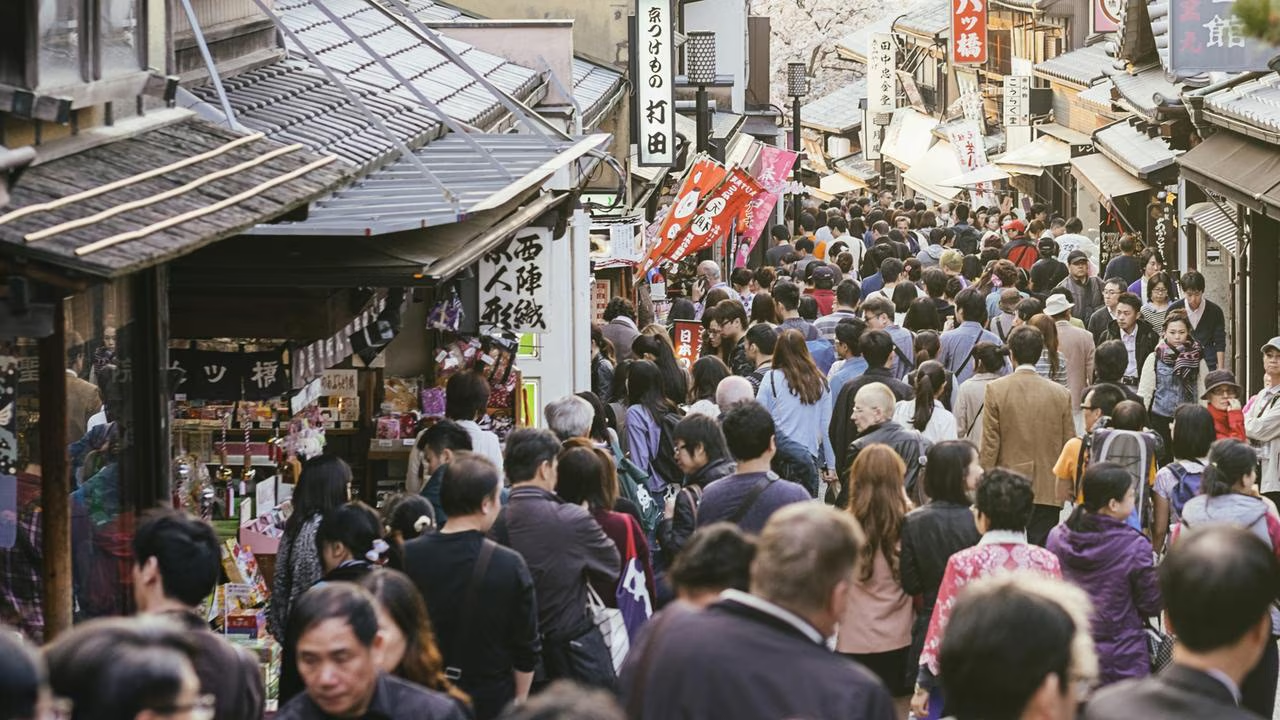
As popular destinations across the world grapple with massive numbers of tourists and tensions reach a tipping point between locals and misbehaving foreigners, Kyoto often finds itself amid the heated global overtourism debate.
Balancing both the benefits and negative impacts of mass tourism has been a huge challenge for the Japanese city as visitors swarm its famous landmarks and there are incidents of geiko being chased through streets for photos. Frustrated residents are desperate for their home not to treated like a theme park.
Kyoto is part of Japan’s typical “Golden Route” itinerary — Tokyo, Mt. Fuji, Kyoto and Osaka — and in an effort to disperse unprecedented numbers of tourists, the Japan National Tourism Organisation has been urging people to explore beyond these hotspots.
But surprisingly, Kyoto City doesn’t actually want to restrict tourist numbers.
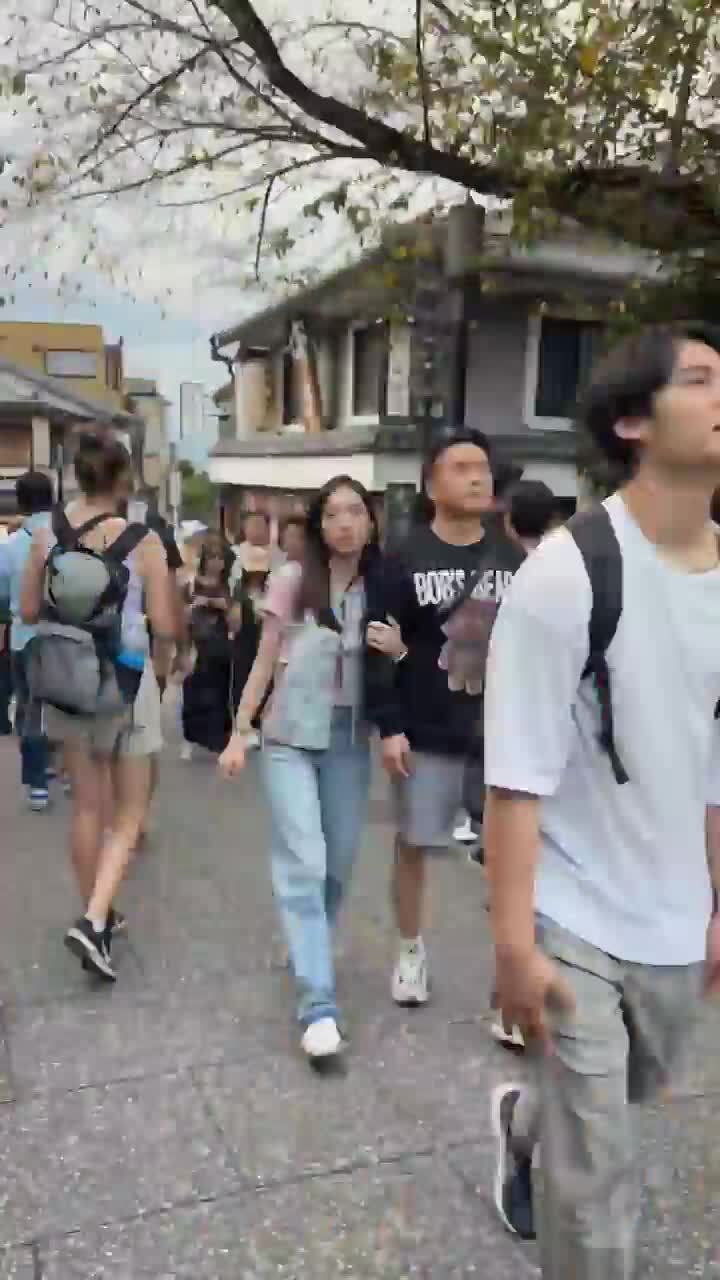
Kyoto City’s senior director at the office of industry and tourism, Takamasa Kadono, told news.com.au that this impression the world has that the entire city is overcrowded, is wrong.
“These challenges are actually limited to only a few specific areas within Kyoto,” he said.
“Therefore, the city is not implementing measures to restrict visitors. Instead, we are working to balance tourism by promoting decentralisation across three dimensions: time, season, and location.
“We hope visitors from Australia will be mindful of the local community and explore the ‘hidden gems’ in various areas beyond the major sites to experience the true depth of Kyoto’s charm.”
Kyoto City Tourism Association director general Junichi Tanaka’s message to Australian travellers is “Kyoto City is not discouraging tourists from visiting at all”.
“When looking at Kyoto City as a whole, not all places are crowded,” he echoed.
Mr Kadono and Mr Tanaka told news.com.au the main challenges Kyoto’s most popular areas face are congestion caused by tourists, such as people blocking roads and filling up public buses, as well as smoking on streets, littering and other issues with manners and etiquette.
Misbehaving tourists: Kyoto is ‘not a museum’
Local hotel manager Shiho Ikeuchi says when it comes to the misbehaviour issue, “the real challenge” is finding ways to educate tourists before their holiday, “not just scold them after the fact”.
Ms Ikeuchi said she wish more people knew about the city’s code of conduct – with dos and don’ts for international visitors – before they arrived.
What many tourists may not realise is there are public and private roads in Kyoto, and many alleys in the popular Gion district are private.
Due to incidents of tourists entering private property, causing noise and taking unauthorised photos of geiko (professional performing artists and entertainers) and maiko (apprentice geiko), local councils have installed signs banning entry and photography to certain streets.
Kyoto University of Foreign Studies associate professor Angus McGregor, an American who has lived in Kyoto for more than three decades, said, “I’ve seen maiko practically sprinting down the street while tourists chase them with cameras. You can feel how uncomfortable that is.”
Like Ms Ikeuchi, he believes disrespectful behaviour by tourists often comes from a lack of awareness rather than malice.
“I’ve seen people stop suddenly in narrow streets to take photos while a line of locals piles up behind them,” Mr McGregor said.
“From a visitor’s point of view it’s a beautiful moment. From a resident’s point of view it’s their commute home.”
Ms Ikeuchi, who is the general manager of Ace Hotel Kyoto, said tourists needed to remember “Kyoto is a living city, not a museum”.
“People live in the neighbourhoods you’re walking through,” she said. “Keep voices down in residential areas, especially early morning and late evening.
“Don’t stop or chase geiko and maiko for photos in the Gion district – they are artists on their way to work, not photo opportunities. Stay on designated paths and respect ‘no entry’ signs at temples and shrines. Don’t eat or drink while walking – this is considered poor manners across Japan, but especially in Kyoto’s historic areas. And please, don’t litter or leave rubbish at scenic spots. It sounds basic, but it makes an enormous difference.”
Mr McGregor said he always tells his friends that are visiting to carry a small bag for rubbish, walk whenever possible, and that politeness carries huge weight.
Why Kyoto doesn’t want tourists to just go away
While tourism can frustrate residents by disrupting their daily lives, the industry plays a vital role in Kyoto.
Tourism employs about one in four workers and in the latest data from 2024, visitors spent a whopping 1.9075 trillion yen ($17.4 billion).
But Mr Kadono said the impact is more than financial.
“Tourism brings renewed attention to Kyoto’s culture, helping residents rediscover its value and fostering local pride,” the Kyoto City representative said.
He added admission fees are used for the operation and restoration of cultural properties, “directly contributing to their preservation for future generations”.
As of March 1, tourists need to pay a higher accommodation tax, which was first introduced in 2018 as part of the city’s efforts to combat the threat of overtourism.
Those extra funds will be used to address traffic congestion by operating express tourist buses to alleviate overcrowding on city buses, help preserve the landscape (including traditional Kyoto townhouses), and promote traditional culture, such as subsidising traditional events like the Gion Festival, the country’s largest.
Mr Tanaka said the Kyoto City Tourism Association believed the impact of tourism went well beyond the city.
“We believe that when people from Japan and abroad gather in Kyoto and interact through tourism, they deepen understanding of the cultures and customs of each other’s countries and regions, foster a sense of mutual respect for diversity, and ultimately contribute to international peace,” he said.
In 2026, Kyoto City plans to develop a new strategic plan that will guide tourism policy for the next five years.
In January, Japan National Tourism Organisation revealed a new record for Australian travellers, with 1,058,300 visiting Japan during 2025, an increase of 15 per cent on 2024.
It is the first time more than 1 million Aussies visited the Land of the Rising Sun in a calendar year.
Where can you escape the crowds in Kyoto?
The message Kyoto wants Australians and the world to know is that not all of the city is crowded, so where do they want tourists to go?
When visiting the iconic sights, consider going during off-peak times and seasons.
The city publishes a congestion forecast for the major attractions online and Mr Tanaka said they hope tourists will make the effort to do research in advance.
Mr McGregor believes if more visitors shifted their schedules even slightly, the pressure on overcrowded sites would ease.
Ms Ikeuchi agreed, explaining: “Early mornings are magical at most temples and visiting popular spots midweek or in quieter seasons (January, February, June and August) can be transformative.”
The key mission, however, is to better disperse tourism across the region.
Kyoto City is currently focused on promoting six “hidden gem” areas on the outskirts: Fushimi, Ohara, Takao, Yamashina, Nishikyo, and Keihoku.
“One of the ironies is that while certain places feel crushed by tourism, huge parts of Kyoto feel almost untouched,” Mr McGregor said.
“When I want to breathe, I go north to Ohara or out toward the countryside. You still find local restaurants that are surprised to see foreign visitors — and genuinely happy about it.”
Both Mr McGregor and Ms Ikeuchi suggested going beyond the Fushimi Inari Shrine in Fushimi to explore the traditional sake brewing district.
“Nearby Uji has incredible heritage, but many visitors skip it because it’s just outside the classic Kyoto map in guidebooks,” Mr McGregor said.
Ms Ikeuchi also believes “large parts of the city would genuinely welcome more visitors” and that spreading visitors across the city is good for both residents and tourists.
“Some of Kyoto’s most extraordinary temples, gardens and craft workshops see a fraction of the visitors that the famous spots do,” she said.
The hotel manager said their own neighbourhood of Shinpuhkan in Nakagyo-ku sits right in the heart of the city but isn’t overrun by tourists.
“Kyoto’s outer areas – Ohara, Kurama, Takao – are breathtakingly beautiful and practically empty compared to central Higashiyama,” she added.
Ms Ikeuchi recommends not just visiting but immersing yourself in the culture by trying a tea ceremony, visiting a local sentō (a traditional Japanese public bathhouse), and attend a neighbourhood matsuri (festival).
“These experiences connect you to the city in a way that no Instagram photo ever will,” she said.
AloJapan.com