
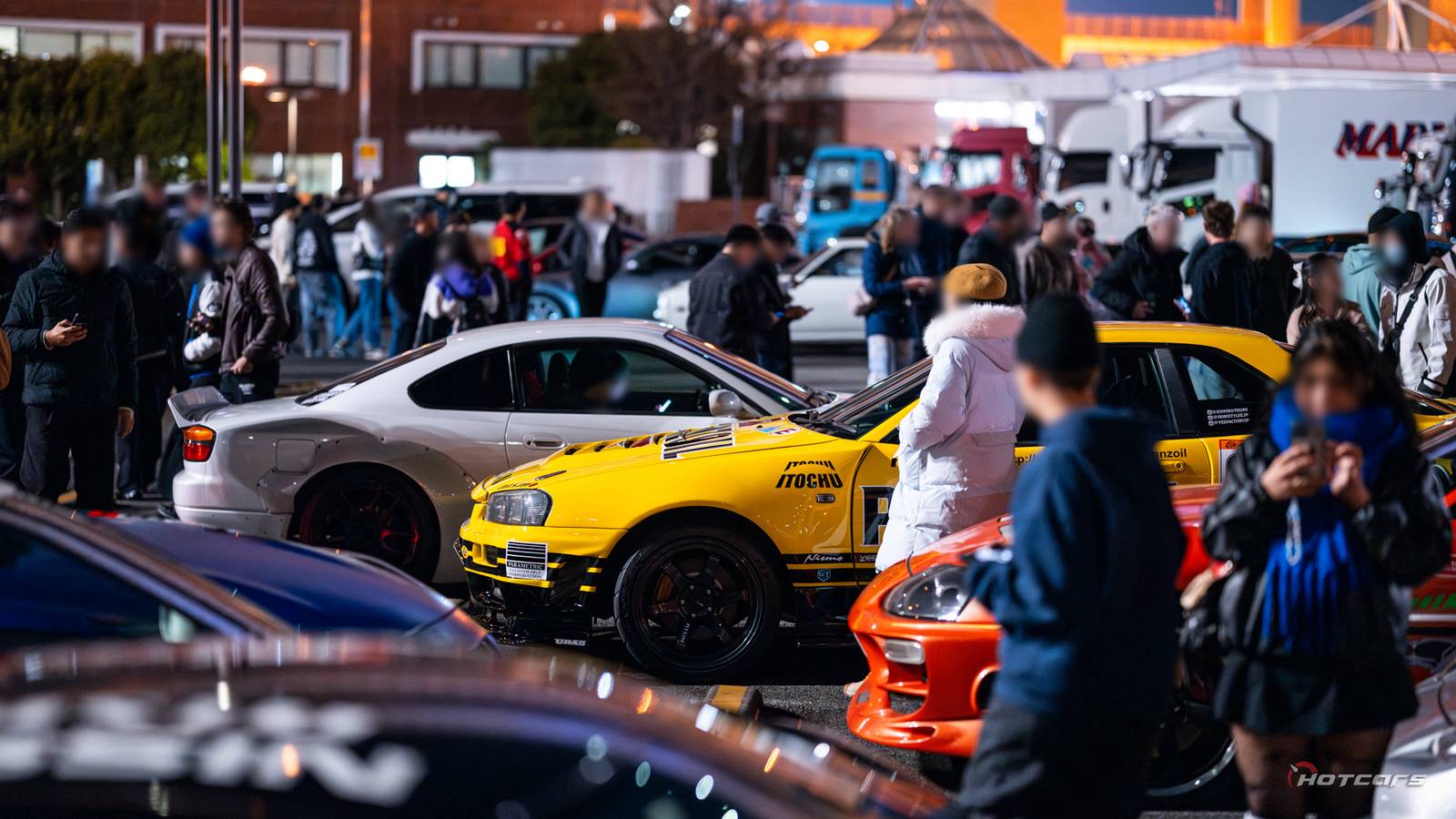
Any gearhead living in Japan will have stories to tell about Daikoku Parking Area, including myself. I remember going to the JDM hub on random weekday nights to stumble upon rare hypercars or impromptu car meets. From surprise Ferrari 288 GTO appearances to modified Toyota Hi-Aces fitted with sound systems worthy of nightclubs, there is never a dull moment in Japan’s most famous parking area.
Conveniently located between Tokyo and Yokohama, and offering a much larger parking space than other rest stops, it has attracted Japanese drivers and enthusiasts ever since it first opened its doors in 1989. Foreign crowds, however, are more of a recent story.
Ever since the reopening of Japanese borders at the end of the pandemic, combined with the free fall of the Japanese currency, the country has been dealing with a surge in tourism, with a record-breaking 42.7 million international visitors in 2025. While cities like Kyoto and areas surrounding Mount Fuji have been most hit by overtourism, changes have also been noticeable in the car scene. With more foreign visitors looking to experience Japan’s car culture, there has been a noticeable rise in “JDM tour” businesses offering to take you to popular places like Daikoku Parking Area.
Tour businesses have made Daikoku Parking Area more accessible than ever, but this crowd surge has led locals to avoid the location on busier nights, and also share their frustration online. More issues arose as well, such as reckless driving videos posted to social media and accidents caused by tour drivers, and unfair business practices becoming more common occurrences.
To better understand the current situation surrounding tour businesses and their impact on the local car culture, I met with two of Japan’s top-ranked tour operators. I sat with Ken Melichar, founder and CEO of Bonsai Racing, and with the founder of Niche Tours, who goes by KN.
What Are JDM Tours? Two JDM Tour Operators Explain
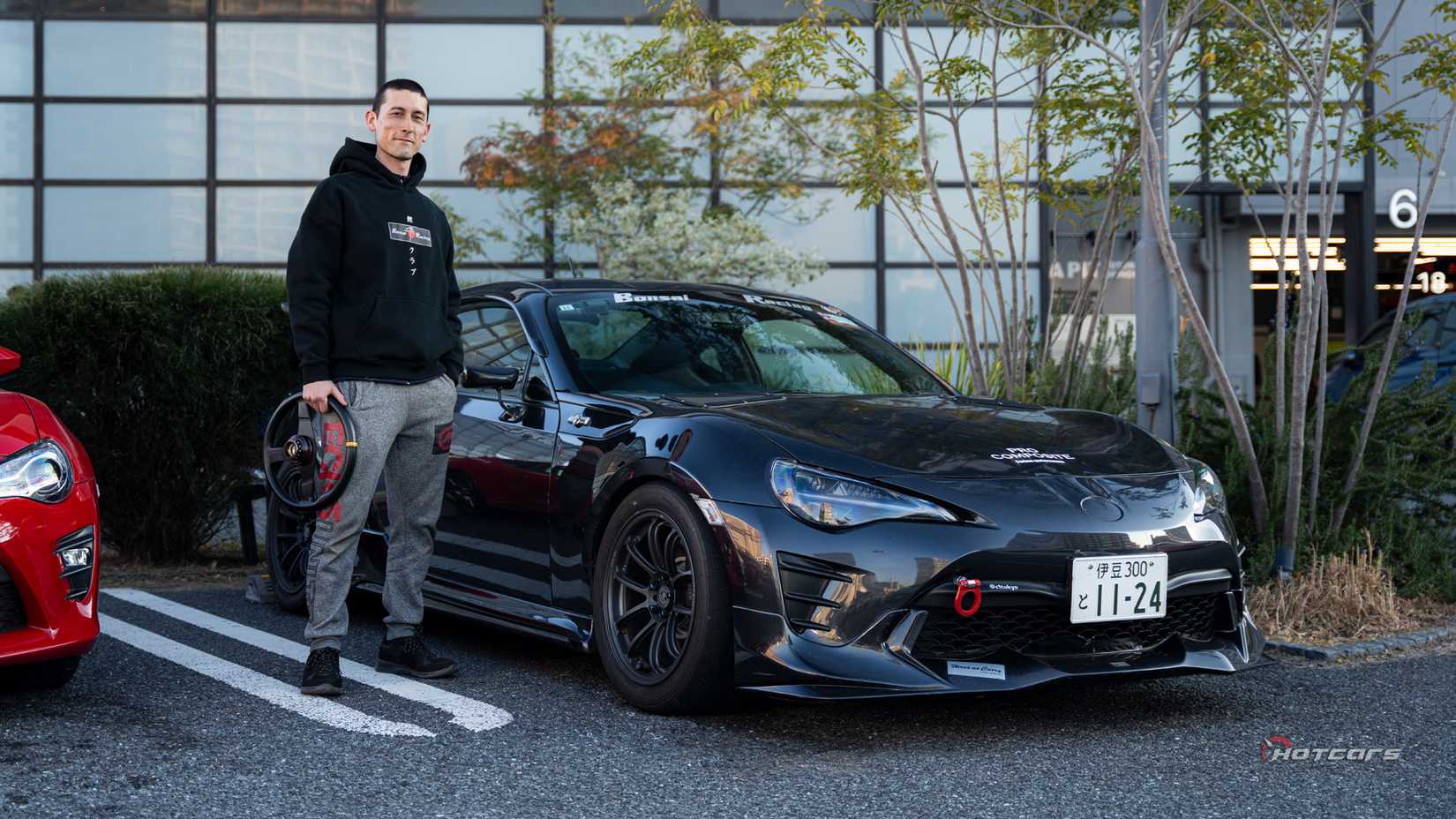
Ken Melichar is an experienced tour guide in Tokyo, and one of the first to have started in this business 8 years ago.Ayesh Seneviratne / HotCars
Ken was one of the very first, if not the first, to have started guiding foreign visitors around the city, back in 2018. Inspired by a friend of his who offered guided tours covering Tokyo’s architectural landscape, Ken started his own touring company, Bonsai Racing, to share his in-depth knowledge of Japan’s car culture, as a passionate JDM enthusiast himself. Things took off immediately, and despite a slowdown during the pandemic, his business picked up again in 2023 as borders reopened. Bonsai Racing has allowed Ken to share his extensive car knowledge through curated, educational and enriching experiences to his customers. Ken’s business extends beyond tours and his company also offers track experiences with expert drivers on some of Japan’s most famous racing circuits.
KN started Niche Tours as Japan reopened its borders in 2023. Also well versed in Japan’s car scene, KN used his hospitality background to build his touring business to offer high-end experiences with an extensive fleet of cars to show his guests around the city. Firmly abiding by the Japanese law and guaranteeing guests’ safety are non-negotiables to operate his business. Quality is also a top priority, ensuring that his guests both receive knowledge on Japanese car culture and premium passenger experiences.
While differences in programs, guidance and vehicle fleets make experiences with Bonsai Racing and Niche Tours unique, some locations ultimately end up overlapping and bucket list places such as Daikoku Parking Area are, as you’d expect, part of the itinerary for both companies.
JDM Tours Help Solve The Issue Of How To Get To Daikoku Parking Area
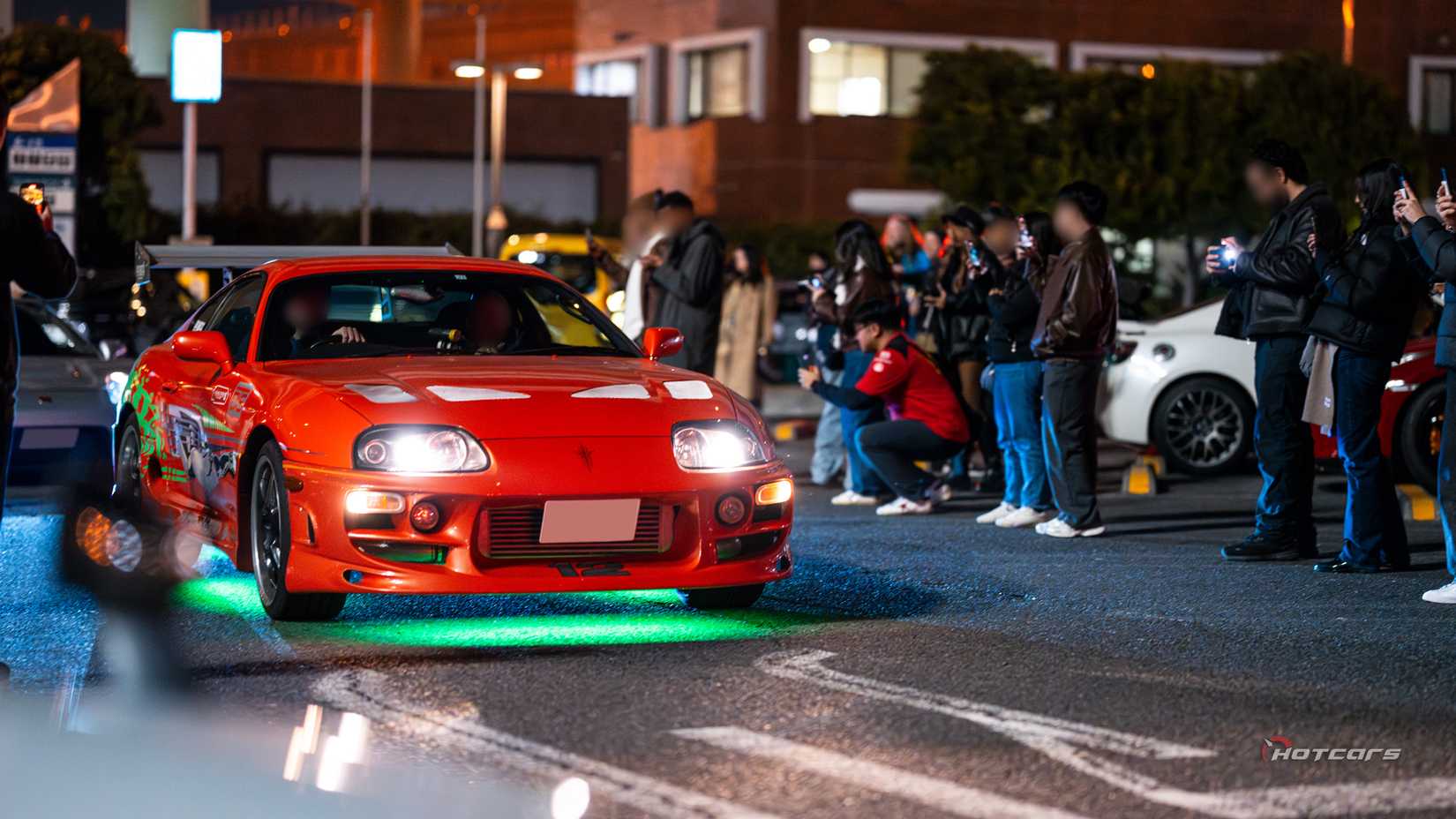
A rental Toyota Supra Mk4 transporting tourists to Daikoku Parking AreaAyesh Seneviratne / HotCars
The process of renting cars in Japan can often be confusing and demands preparation. While going to Daikoku via taxi could seem like a simple fix to the problem, this will leave you stranded in the very likely event that the police shut the area down without prior notice. This is where companies like Bonsai Racing and Niche Tours step in. By offering a safe and trustworthy experience for guests who wish to explore places such as Daikoku, tour companies initially offer a solution to the age-old Reddit question of “how to get to Daikoku PA.”
Make no mistake, while Bonsai Racing and Niche Tours offer a “way” to get to places, do not mistake them for transportation companies. Unlike a taxi that will take you from A to B and charge you for the ride, both Bonsai Racing and Niche Tours offer an experience with expert guides showing you around and sharing their knowledge of Japan’s car culture. The fully guided tour across Tokyo’s best JDM spots is the experience offered to customers. Transportation to locations and the catalogue of cars to choose from happens to be one of the exciting bonuses.
Related
Japan’s First 200 MPH Supercar That Time Forgot
Japan built a 200+ mph street-legal mystery for Le Mans, but it vanished fast. Here’s why.
Accidents And Arrests: JDM Tours Under Scrutiny
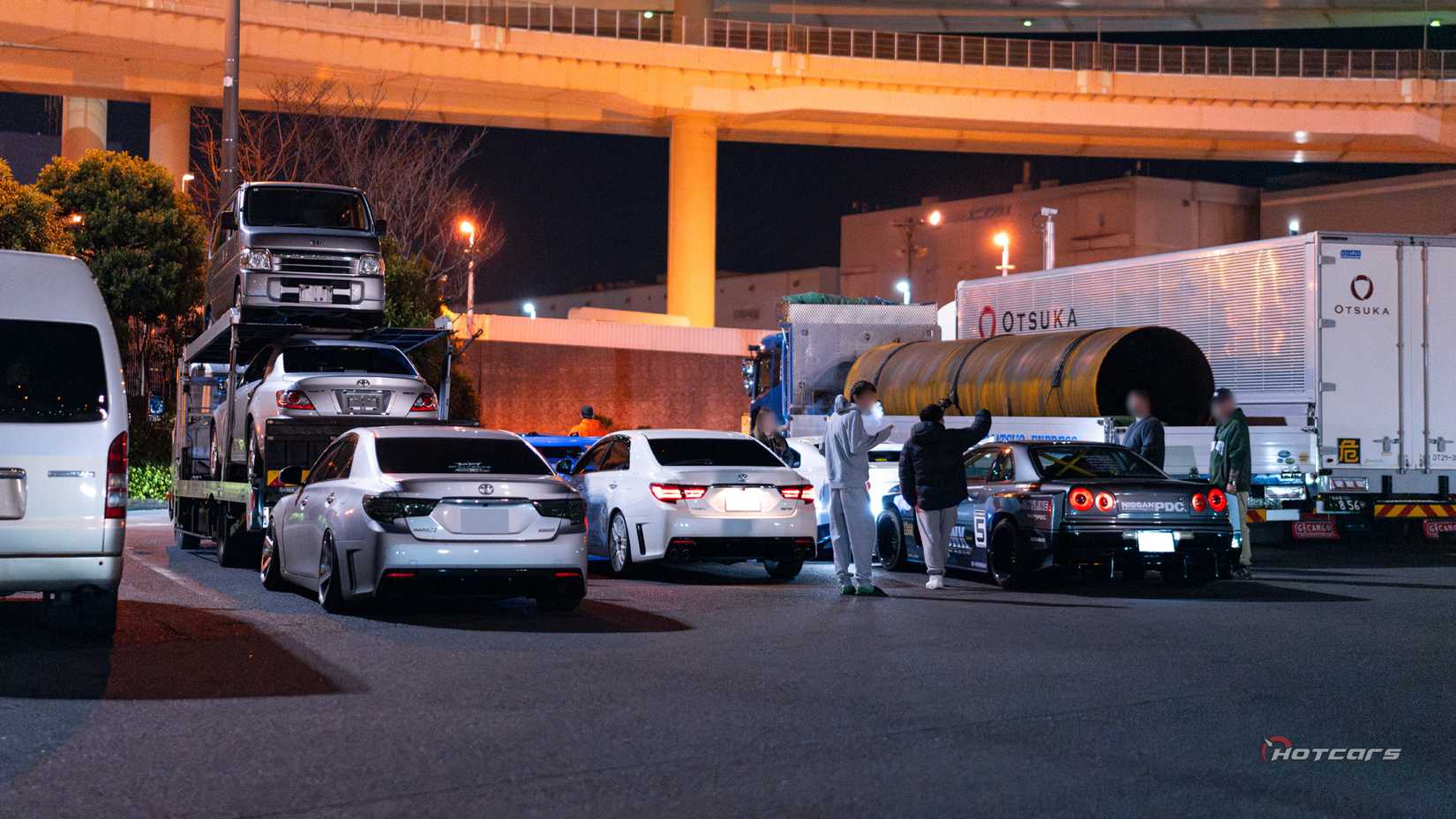
Tour guides parked in spaces reserved for trucks are forcing away truck drivers left unable to find a place to park.Ayesh Seneviratne / HotCars
After the craze of the Tokyo Auto Salon weekend earlier this year, an accident involving a truck and a modified Nissan GT-R caught widespread attention online. As seen on traffic camera footage, a red Nissan GT-R driving at high speeds on Tokyo’s Shuto Expressway collided with a truck attempting to overtake a van. Videos of the driver, known under the pseudonym “Banzai Cruise” on social media, had been circulating online, often filmed by passengers he would be giving rides to. Dash cam footage from other cars showed the driver going at high speeds, and flashing his high beams to pressure cars to let him through. The accident, which occurred on January 15th at around midnight, caused significant traffic and eventually led to a road closure due to the crash occupying the width of the narrow two-lane highway.
The following week on January 22nd, the Japanese police arrested a Brazilian national, known as “Gaijin Tuned” on social media, over the allegations of using illegally modified sports cars for his touring business. The individual was originally stopped by the police in November last year and further investigation by the police have led to this official arrest. Though the Brazilian national was recently released and appeared to be cleared of charges, issues surrounding tours’ safety, legality and their impact on the local culture have been brought under the spotlight, leading to a growing concern from the general public.
A Video Of The Incident, Where A Tour Guide Crashed A Nissan GT-R On The Japanese Highway
The Problem Of “White Taxis” (“Shirotaku”) And Customer Solicitation
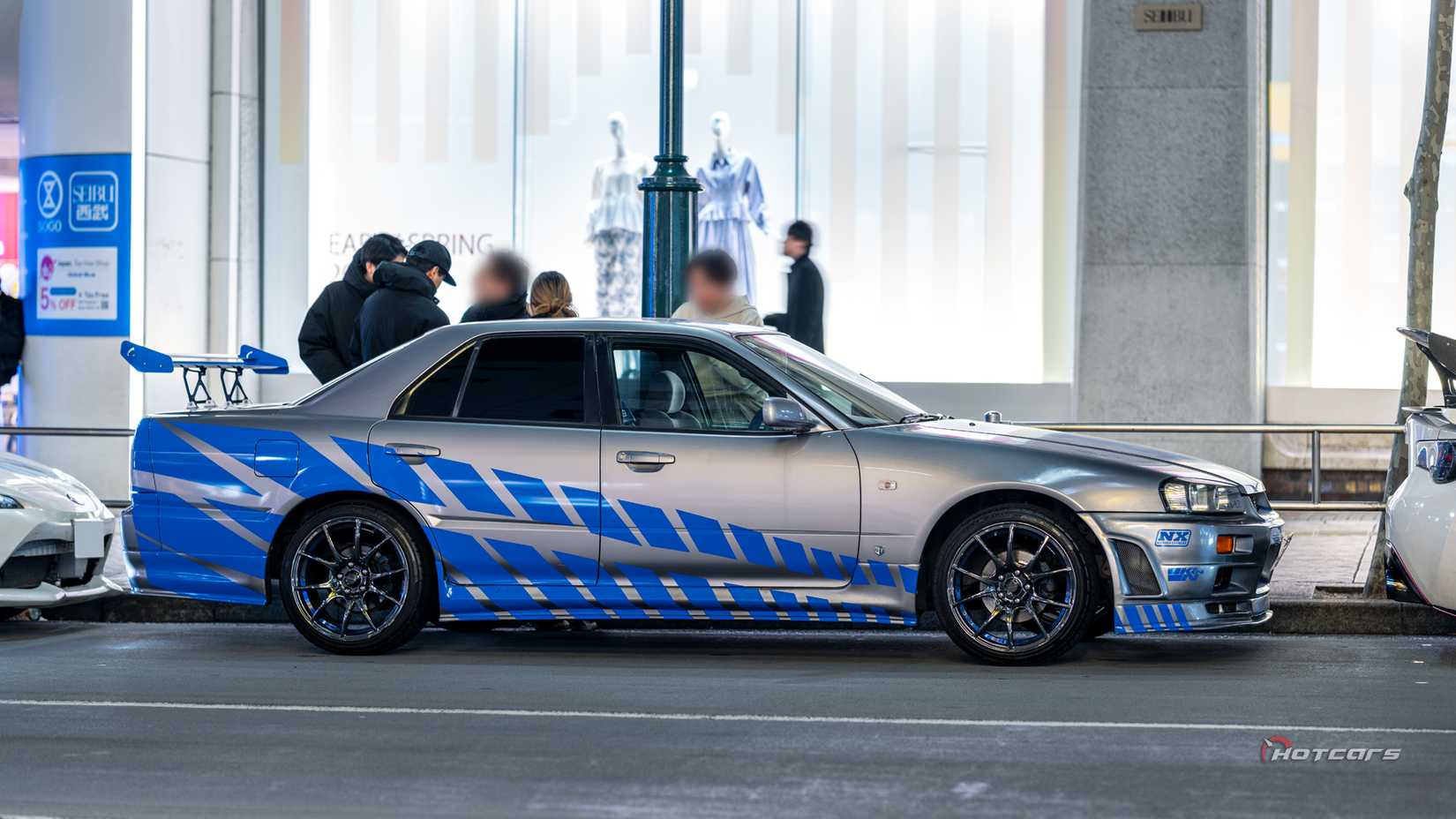
Individuals seemingly attempting to recruit customers in Shibuya despite the strict prohibition against customer sollicitation.Ayesh Seneviratne / HotCars
With the tourism surge over the past few years, Japan has been battling with the growing issue of “white taxis” or “shirotaku” in Japanese, which refers to individuals operating their private vehicles to transport passengers without a business license. In Japan, vehicles with white license plates generally signify private ownership, while taxis and commercial vehicles such as trucks are fitted with dark green number plates. There are rare exceptions to the rule, and registered businesses like Niche Tours and Bonsai Racing are legally allowed to operate with white-plated cars due to the nature of their businesses. With tours and experiences being the sole product offering, Niche Tours and Bonsai Racing operations do not fall under the transportation category, and are consequently allowed to operate with white license plates.
However, the same cannot be said of most who offer rides to Daikoku Parking Area. “Most businesses cannot be classified as tours, because there is no touring happening” the founder of Niche Tours explained to me. And in a small place such as Daikoku, it isn’t hard to see that many so-called tours simply drop off tourists, leaving them to their own devices without any form of apparent guidance. For the Japanese police, catching illegal “shirotaku” operations is a tricky procedure, because giving people rides in places such as airports, train stations or busy streets often appears innocuous at first sight. When it comes to giving people rides to Daikoku Parking Area, customer recruitment and arrangements for rides happen on social media, making it difficult for authorities to uncover. Violations can lead to imprisonment for up to 3 years and fines of up to ¥3 million (about $20,000).
Customer solicitation has been another problematic issue, KN added during our conversation, with individuals attempting to attract customers in the busiest streets of Shibuya. I did go to Shibuya to have a look at the situation for myself and as expected, I did stumble upon Japanese sports cars parked by the side of the road, right by the Shibuya crossing. One of the vehicles showcased a big sign placed on its windshield, inciting customers to “book your JDM tour.” Like most cities in Japan, the city of Shibuya has enacted an ordinance prohibiting solicitation within the Shibuya Ward and the act of waiting for potential customers in public spaces, loitering or staying in a public place with the intent of soliciting or attracting customers is strictly prohibited.
Reckless Driving And Poor Customer Service Leave Tourists With Sour Taste

The surge of tourists in Daikoku Parking Area often discourages local car owners to stop by.Ayesh Seneviratne / HotCars
Tourists who book services through improperly run tour businesses also end up victims of malpractices. Amateur stunts, as seen in the accident caused by the “Banzai Cruise” individual, put passengers and other drivers around at risk. Some customers have shared their concerns and unease regarding the lack of safety provided by some tours. “[His] driving was nothing short of incredibly reckless with little regard for himself, his clients and other road users,” complained one user about a tour driver under the “Fast & Furious Tokyo Drift 3” experience listed on TripAdvisor. “The guy driving the lead car broke a red light and almost a second one” claimed another user on the “Tokyo Extreme Drive” experience listed on TripAdvisor.
Both Bonsai Racing and Niche Tours founders also pointed at the issues surrounding the lack of care towards customers, with booking often changed or cancelled last minute, leaving customers disappointed. “They cancelled at the last minute and then stopped answering altogether,” complained one customer on the “Tokyo Car Club” experience operated by Gaijin Tuned on TripAdvisor. Another user also commented: “we were turned away saying that ‘there was an error on tripadvisors end’ and they didn’t have room for us. They left us on the street.”
“If you are trying to position yourself as a guide who knows the scene but you are in fact just shuffling people into vans, that is deceptive and hurtful for consumers who think they are getting a legitimate guide,” Ken explained.
As an experienced tour guide, Ken has always aimed to deliver quality, curated experiences to his customers, but not all tour guides aim to offer the same quality experiences as his. The lack of a proper business structure means that customer service is often not up to par for many JDM touring experiences. The lack of accountability often leads JDM tours to brush off incidents at their customers’ expense. “If you are trying to position yourself as a guide who knows the scene but you are in fact just shuffling people into vans, that is deceptive and hurtful for consumers who think they are getting a legitimate guide,” Ken explained, adding that businesses operating in such ways often operate with short-term thinking. With the constant flow of visitors looking to explore Japan, these businesses and individuals are taking advantage of the industry while they can, and though profitable in the short term, “it is probably not sustainable [in the long run],” he added.
The Impact Of “Illegal” JDM Tours On Businesses
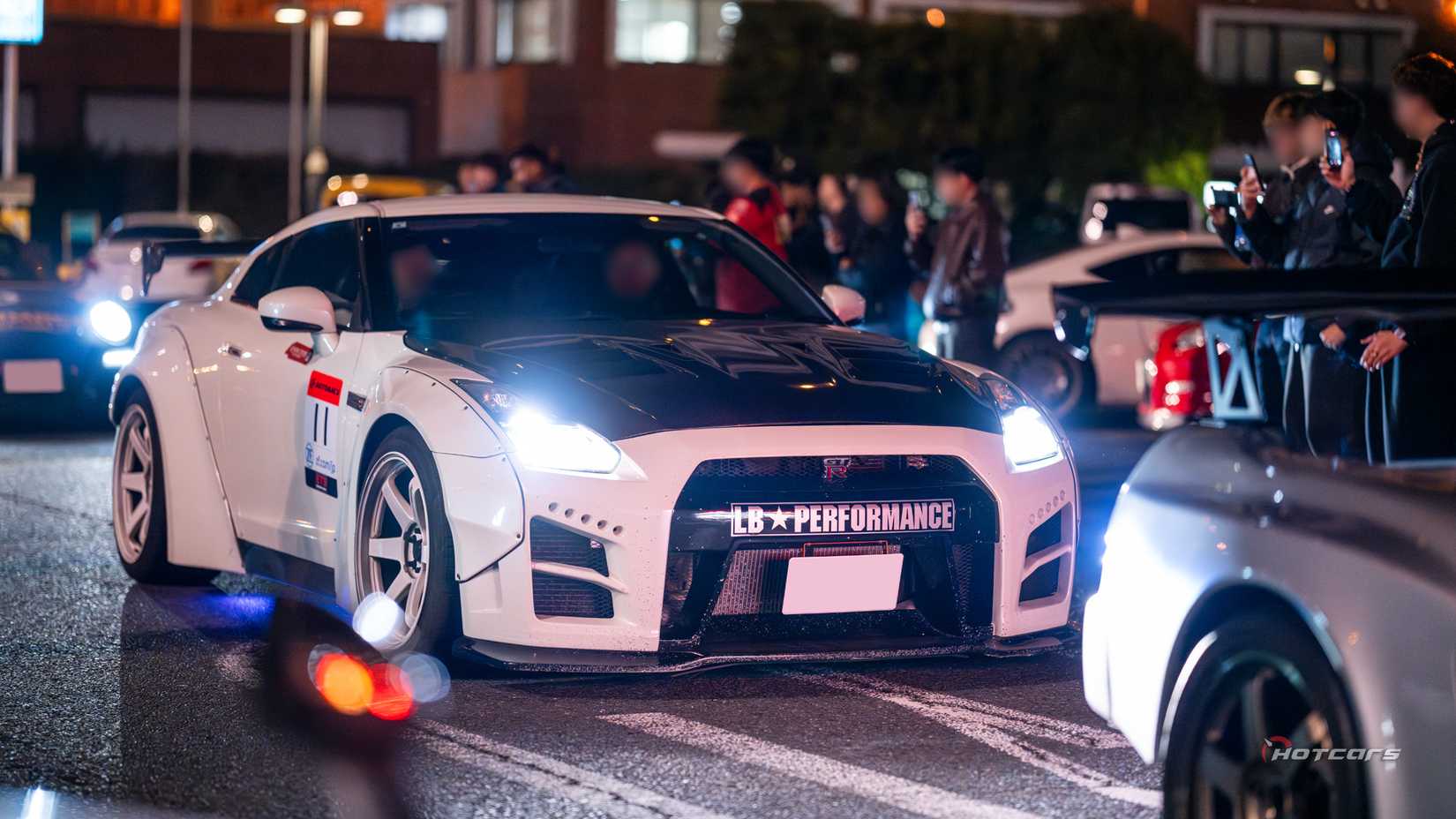
Customers have mistakenly associated Liberty Walk cars to negative tour experiences, which has affected Liberty Walk’s brand image.Ayesh Seneviratne / HotCars
While one could easily dismiss one bad tour experience and move onto the next, these negative experiences end up having a larger impact on other tour businesses. Earning customers’ trust is essential to legitimate businesses. As you’d expect of any accountable, registered business such as Bonsai Racing or Niche Tours, you’ll find their respective websites listing their services, their transparent pricing, legal information and a contact page for you to reach out. But it takes significant resources to operate the many moving parts of a business.
Anyone with a decent following on social media can advertise their touring ventures with a catchy “DM me to experience Tokyo’s car scene” on their social media page. Often in such cases, services and pricing are not listed and unclear, which can create grounds for an unfair and unethical competition to legitimate businesses. Without a properly registered business, shirotaku and individuals may be more inclined to offer untraceable cash payments, resulting in the improper reporting of income and consequently, tax fraud. As the National Police Agency puts it, “cracking down on illegal shirotaku is indispensable to ensure fairness for drivers working in accordance with the law.” With the lack of information, tourists can unknowingly end up supporting illegal businesses and also suffer from unfair pricing.

Related
Japan’s Anti-Drift Devices Didn’t Stand a Chance Against Drift Kings
They put up anti-drift devices but drifters treated them like bonus obstacles.
Overtourism And Its Consequences On Japan’s Car Culture
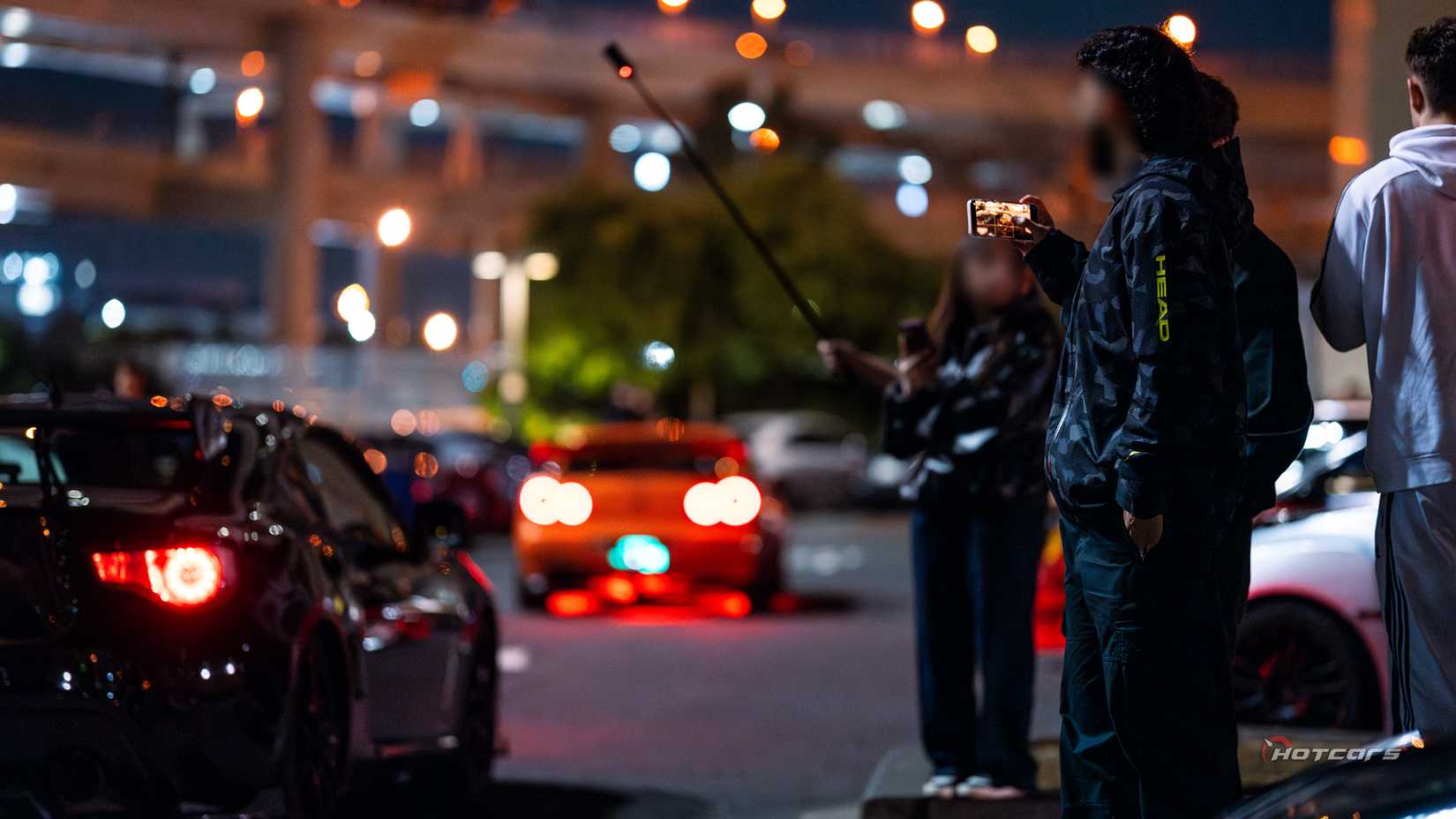
Daikoku Parking Area has become a popular travel destination among tourists.Ayesh Seneviratne / HotCars
Overtourism is a phenomenon that occurs when a destination experiences too many visitors, consequently leading to a degraded quality of life for residents and a diminished experience for tourists, according to the United Nations World Tourism Organization. Though not comparable to what is happening to cities such as Kyoto, overtourism is happening at a smaller scale within the automotive community too. Driven by affordable travel prices to Japan and social media hype, places such as Daikoku Parking Area are often overrun by foreign visitors on busier nights, which forces locals out, and deteriorates the original atmosphere that attracted tourists in the first place.
This resulted in an artificial atmosphere where tourists ended up walking around a parking lot filled with tour-owned sports cars, with little to none of Japan’s car culture to experience.
Curious to see the situation for myself, I went out to Daikoku Parking Area to find out what a typical Friday night looked like. The parking lot was deserted when I arrived early at around 6PM, but like clockwork, JDM tour vehicles carrying visitors started arriving as night fell half an hour later. Local owners were already few when I had arrived and most didn’t stay long. While the atmosphere was overall relaxed, you could feel a certain carelessness from tour organizers. You’d notice tour guides negligently parking their sports cars in areas reserved for trucks, forcibly kicking out truckers left unable to find parking space. The lack of guidance from tour guides was also visible, which resulted in tourists swarming supercars for a picture before the owners even had time to get out of their cars. The massive wave of tours and tourists taking over Daikoku had visibly discouraged locals from stopping by Daikoku Parking Area, as I have also previously experienced. This resulted in an artificial atmosphere where tourists ended up walking around a parking lot filled with tour-owned sports cars, with little to none of Japan’s car culture to experience.
The overall quality of tour cars often leaves much to be desired, as KN also pointed out to me. Often hastily modified to transport customers, many tour cars are customized to stand out amidst the many other tour vehicles, all while being put to the strain of transporting customers daily. The final result is often far different from carefully crafted project cars that Japanese car owners are known for. Liberty Walk body kits have also grown in popularity among tour guides, and the frequent issues surrounding tours’ poor customer service and occasional accidents have led some customers to mistakenly associate Liberty Walk with such problematic tours, which, according to Ken, has been affecting Liberty Walk’s brand image negatively.
What Happens To The Future Of Japan’s Car Culture?
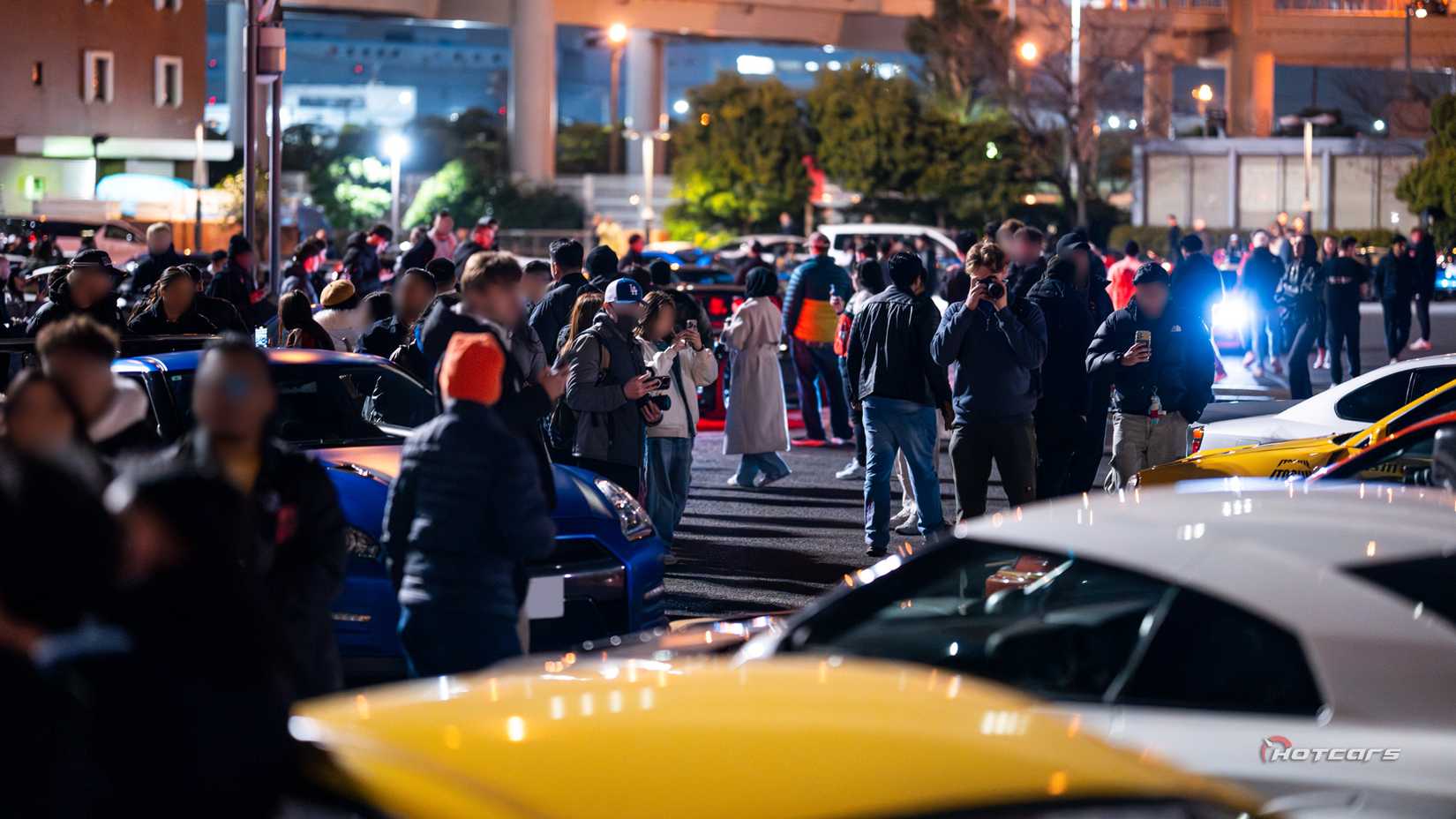
Overtourism has deteriorated Daikoku Parking Area’s original atmosphere that attracted tourists in the first place.Ayesh Seneviratne / HotCars
Ever since Japan’s economic boom in the 1970s, there was never a time when the local car scene didn’t cause trouble to those around. Noise nuisance from Bosozoku motorbikes and street racing accidents caused by underground racing clubs are nothing new. And if you look up old photos of Daikoku Parking Area, you’ll see cars blocking traffic in Daikoku, creating scenes far more chaotic than anything we’re seeing today. Yet this time around, things are different. Somewhere between overtourism and the surge of JDM tours responding to this tourism wave, Japan’s car culture has been commodified.
Culture grows when nurtured and this growth happens when those who take part in the culture bring more value into it than they take away from it. As it currently unfolds, the commercialization and monetization of the local culture often appears to be doing the exact opposite, taking more than it can give back. In places such as Daikoku Parking Area, this results in an artificial atmosphere that pushes locals away.
The booming popularity of Japan’s car culture is a double-edged sword. On one hand, it shines a light on small tuners and car owners, creating more connections and more business opportunities for all. There have also been more curated events promoting Japan’s diverse car culture, as we’ve seen with the Wangan Base car meet or the various meets happening around the Tokyo Auto Salon weekend. But on the other hand, it also creates room for people to take advantage of certain situations for short-term profit, at the detriment of others.
While places such as Daikoku Parking Area overrun by tours isn’t a death sentence to Japan’s car culture in and of itself, it does take away a major meeting hub for Japanese car owners, and a place where car culture has long been nurtured by locals.
For KN, the current situation won’t show signs of improvement without more drastic action from the Japanese police to act on businesses and individuals operating illegally. Ken sees it as more of a cyclical police crackdown, and indeed, the police have often been seen operating in cycles. Japanese police often concentrate their measures, arrests and fines, as they have done for a period of time during the pandemic, by attempting to crack down on street racing. These measures help the situation calm down for a little while, until the situation starts slipping again and another round of arrests happens. In the foreseeable future, Japanese police will continue their routine controls, visitors will continue to flock to Daikoku Parking Area as long as Japan remains an affordable travel destination, and unfair business practices and poor customer treatment are likely to continue as long as a “short-term gain” mindset persists.
While places such as Daikoku Parking Area overrun by tours isn’t a death sentence to Japan’s car culture in and of itself, it does take away a major meeting hub for Japanese car owners, and a place where car culture has long been nurtured by locals. You cannot blame tourists for wanting to visit places such as Daikoku Parking Area, and you cannot blame businesses for wanting to make a profit out of an opportunity. However, businesses and individuals operating tours are responsible for operating legally and for setting the right example when guiding visitors around. Responsible driving, respectful behaviors and transparent business operations are primordial to keep customers and others around safe, and competition fair to all. Tourists also have the responsibility to carefully choose businesses that offer genuine tour experiences, for their own benefit, and for the sake of Japan’s car culture.
License plates have been edited and faces have been blurred to respect the privacy of individuals.
AloJapan.com