
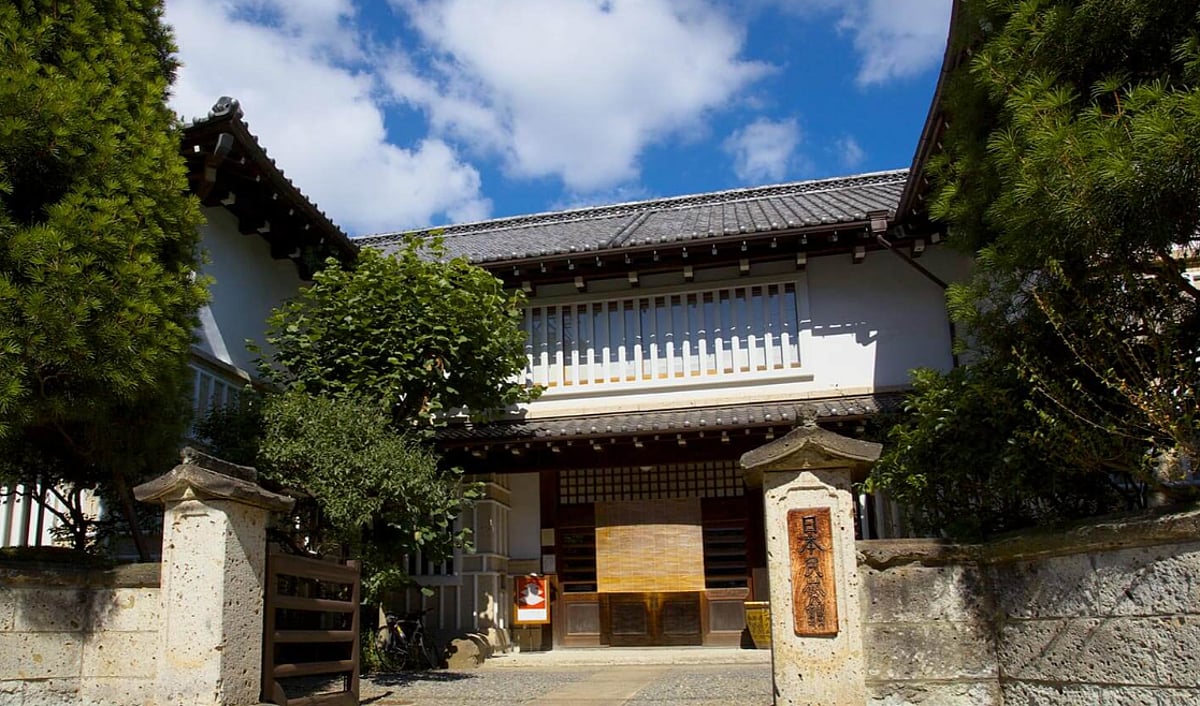
Be it common clay or graceful porcelains, pretty dolls or swords, for Japan, even the everyday is an art. In order to preserve their roots, Soetsu Yanagi, along with Kanjiro Kawai and Shoji Hamada, in 1925, coined the term ‘mingei’ which means folk crafts and the following year, the proposal of the museum came about. But what is more interesting is that Yanagi had been involved in the foundation of the Korean Folk Art Museum in 1924, through which the idea of a similar institution in Japan germinated and took form in the year 1936 when the museum buildings were established. Yanagi himself served as the first Director of the museum and today, it is amiably run by the fifth director.
Yanagi was not just the founder of a term but a practitioner of the mingei movement himself. Most of the 17,000+ artefacts that are now housed in the museum have been carefully collected by him and others, over the years. He kept in mind that the common crafts are accessible with the common people and started travelling to places like Tohoku, Okinawa, Kyushu and more to research, discover and accumulate the objects. Today, one can locate works from the ainu and Taiwan tribes; works of Tariki Hongan, the traditional tea ceremony visuals, works of early members of the Mingei Movement and more.
AloJapan.com