
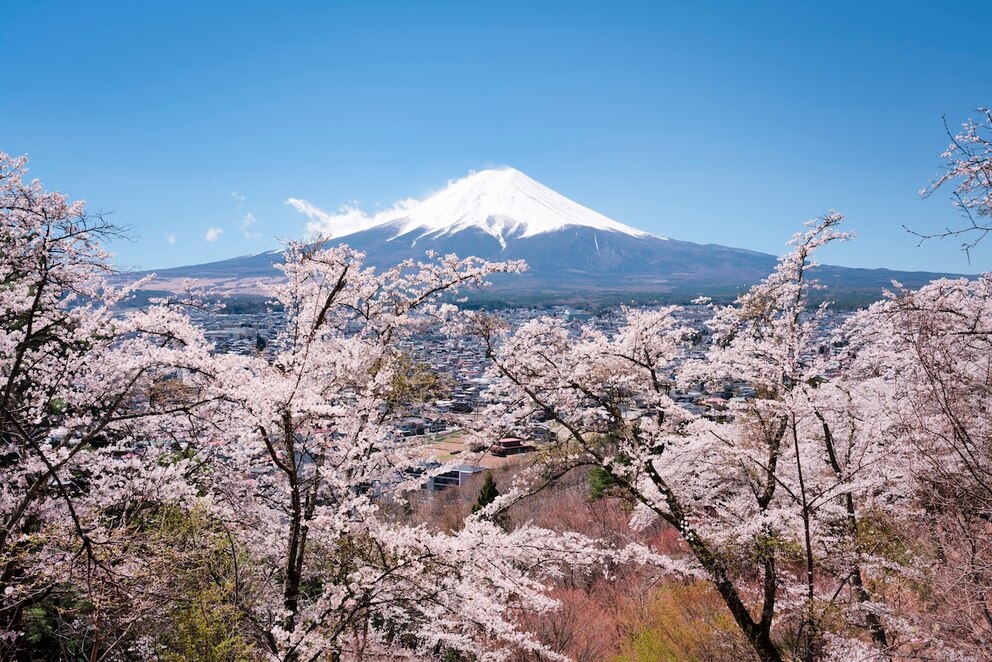
Anyone planning a trip to Japan usually wants to see Mount Fuji. Japan’s highest mountain is not only a popular photo subject but also part of the UNESCO World Heritage. However, those who want to see the mountain need a bit of luck–it doesn’t reveal itself every day of the year.
Japan’s highest mountain formed about 100,000 years ago through multiple volcanic eruptions. The last one was in 1707 and lasted 16 days, according to the website of the Japan National Tourism Organization. At that time, volcanic ash even reached Tokyo. Mount Fuji is located on Japan’s main island, Honshu, about 100 kilometers southwest of Tokyo. Today, the mountain attracts countless tourists each year who want to catch a glimpse of it. With a height of 3,776 meters, Mount Fuji is hard to miss–yet many travelers are often proven wrong.
How Often Is Mount Fuji Really Visible?
Social media often features videos of tourists setting out to photograph Mount Fuji, only to find nothing visible. It’s said that the mountain can only be seen on 70 to 80 days a year. But is that true? Yes and no! Mount Fuji isn’t always easy to see, but it’s not as dramatic as it sounds. The mountain is visible more often than just 80 days a year.
It mainly depends on the time of day and the location from which you view the mountain. For those who want to be sure, you can check online in advance to see the current conditions. There are numerous platforms that provide real-time updates on whether Mount Fuji is visible or not.
Websites like “isfujivisible.com” document year by year how well the mountain could be seen from certain points. The city of Fuji itself has released statistics for 2023. These are based on daily measurements at 8 a.m., 12 p.m., and 4 p.m. from the eighth floor of the city hall, where the mountain is observed visually and with a fixed camera. The results for 2023 were as follows:
154 days “fully visible”
90 days “partially visible”
121 days “not visible”
When You Can See Mount Fuji–and When Not
So when is the best time to see Mount Fuji? Based on the documentation, the conclusion is:
In winter, the chances of seeing Mount Fuji fully are highest. The air is clear, and there’s little haze.
In spring, the mountain is still visible, especially early in the season, such as in March.
In summer, Mount Fuji is not as frequently visible or at least not in full view. This is due to the rainy season and high humidity.
In autumn, visibility gradually improves, especially in late autumn.
According to the Japan National Tourism Organization, Mount Fuji is best seen up close in the early morning or late afternoon. From a distance, it’s best viewed on crisp, cold, and clear winter days.
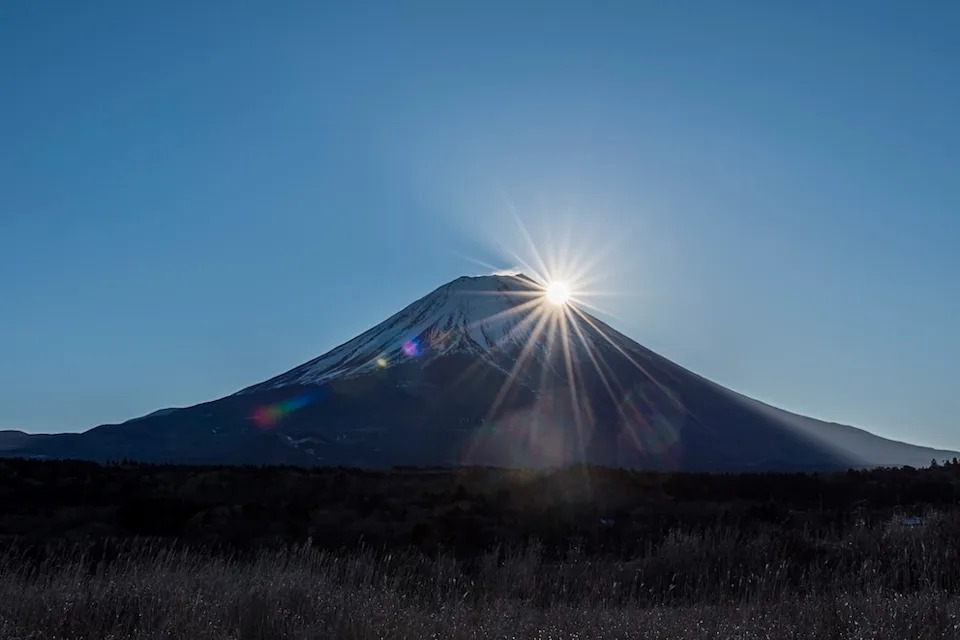
A special phenomenon: “Diamond Fuji”
Then there’s the “Diamond Fuji” phenomenon. This describes the moment when the sun rises or sets directly over the mountain’s peak. It occurs at the end of January and mid-November.
So, it mainly depends on the season to have the best chances of seeing Mount Fuji. It’s not as dramatic as some online forums or social media platforms suggest. Japan’s highest mountain is visible much more often than just 80 days a year.
Best Views of Mount Fuji
On most days, especially in the colder season, you have a good chance of seeing Mount Fuji. To truly capture the perfect view, there are several vantage points where this is guaranteed.
Chureito Pagoda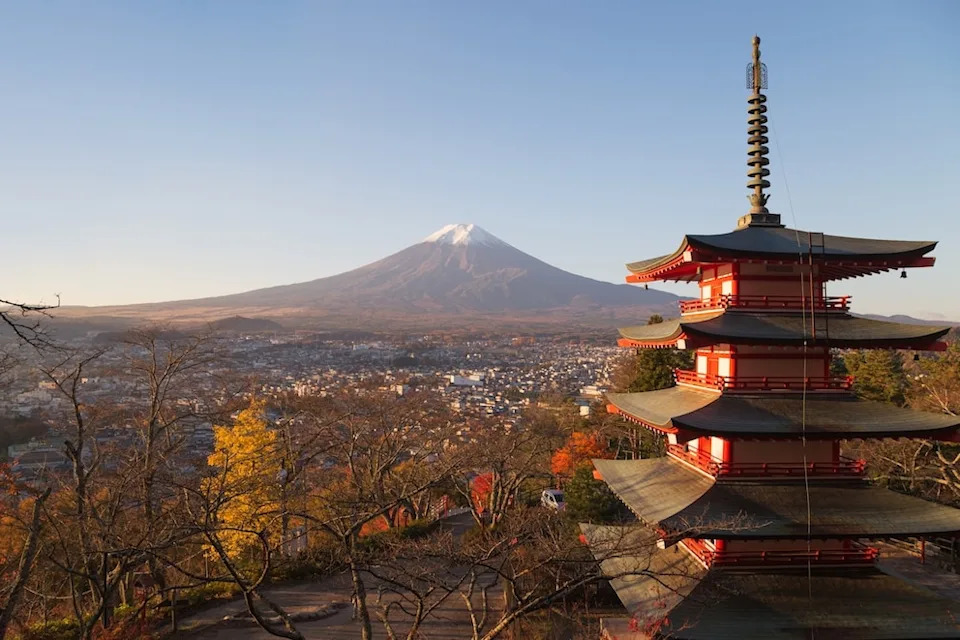
Mount Fuji along with the Chureito Pagoda
If you want not only Mount Fuji but the quintessential Japan photo, you should snap your picture at the five-story Chureito Pagoda. The cherry blossoms in spring add the perfect touch.
Lake Tanuki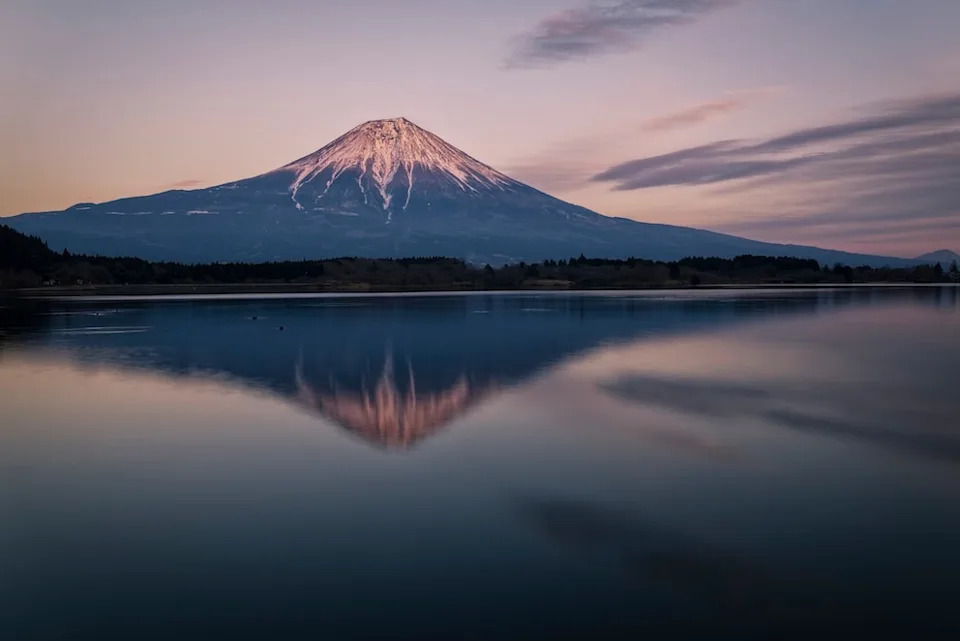
The view is especially popular during the “Diamond Fuji” phenomenon
Lake Tanuki in the Asagiri Highlands has such a smooth water surface that the mountain reflects in it under good conditions.
Tokyo Skytree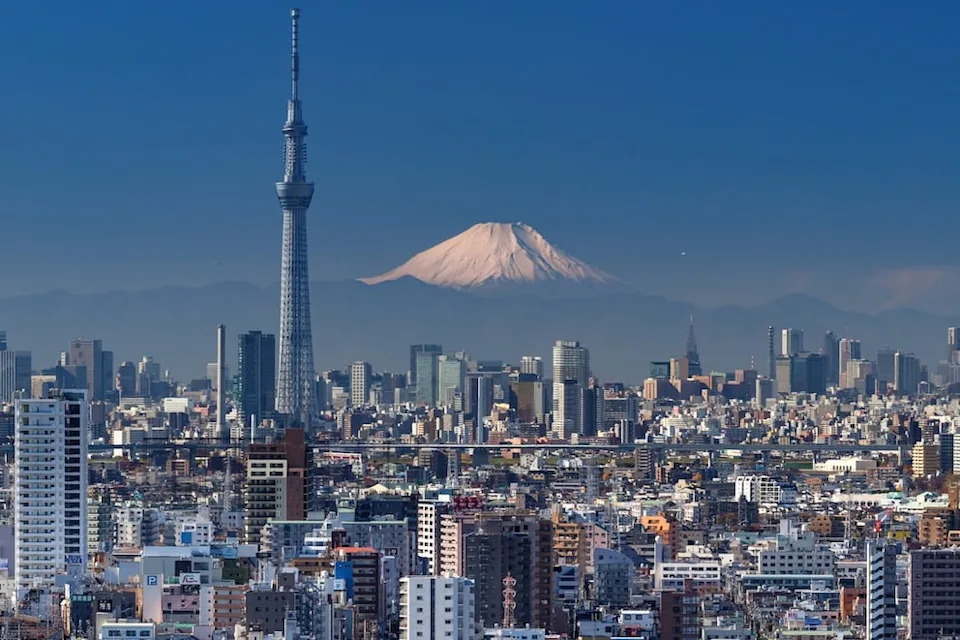
One of the tallest buildings in the world: the Tokyo Skytree
Even from Tokyo, you can see Mount Fuji well in clear weather. Ideal for this is one of the tallest buildings in the world, the Tokyo Skytree, standing at 634 meters. From the observation deck, you can look not only over Tokyo but all the way to the mountain.
Pine Grove Miho-no-Matsubara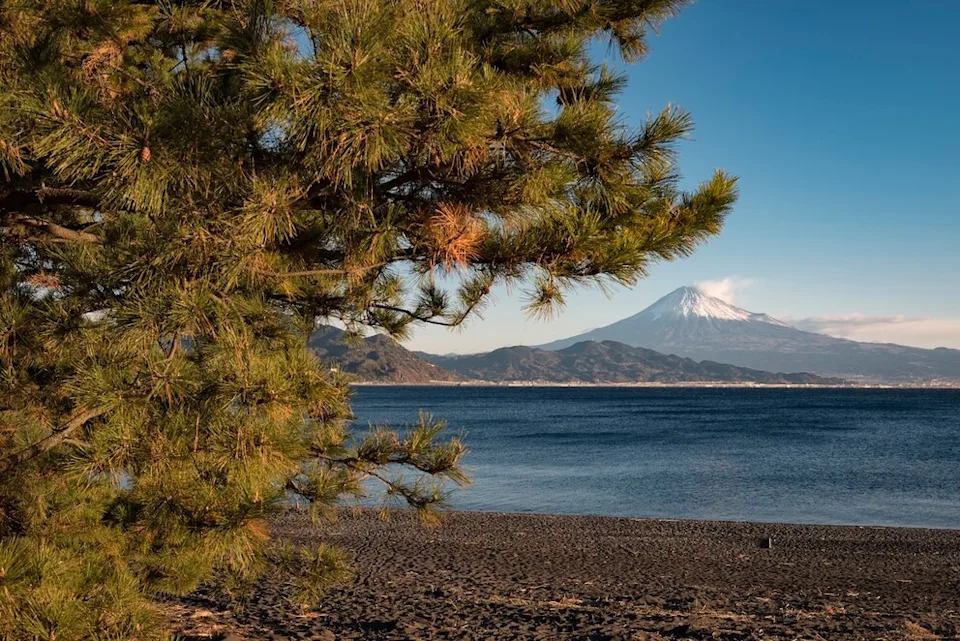
The perfect view of Mount Fuji
One of the most famous views of the mountain can be found at the Pine Grove Miho-no-Matsubara on the coast. According to the Japan National Tourism Organization, this view with Fuji in the background has been immortalized in centuries-old artworks.
The post When Mount Fuji Is Visible–and When It’s Not appeared first on TRAVELBOOK.
AloJapan.com