
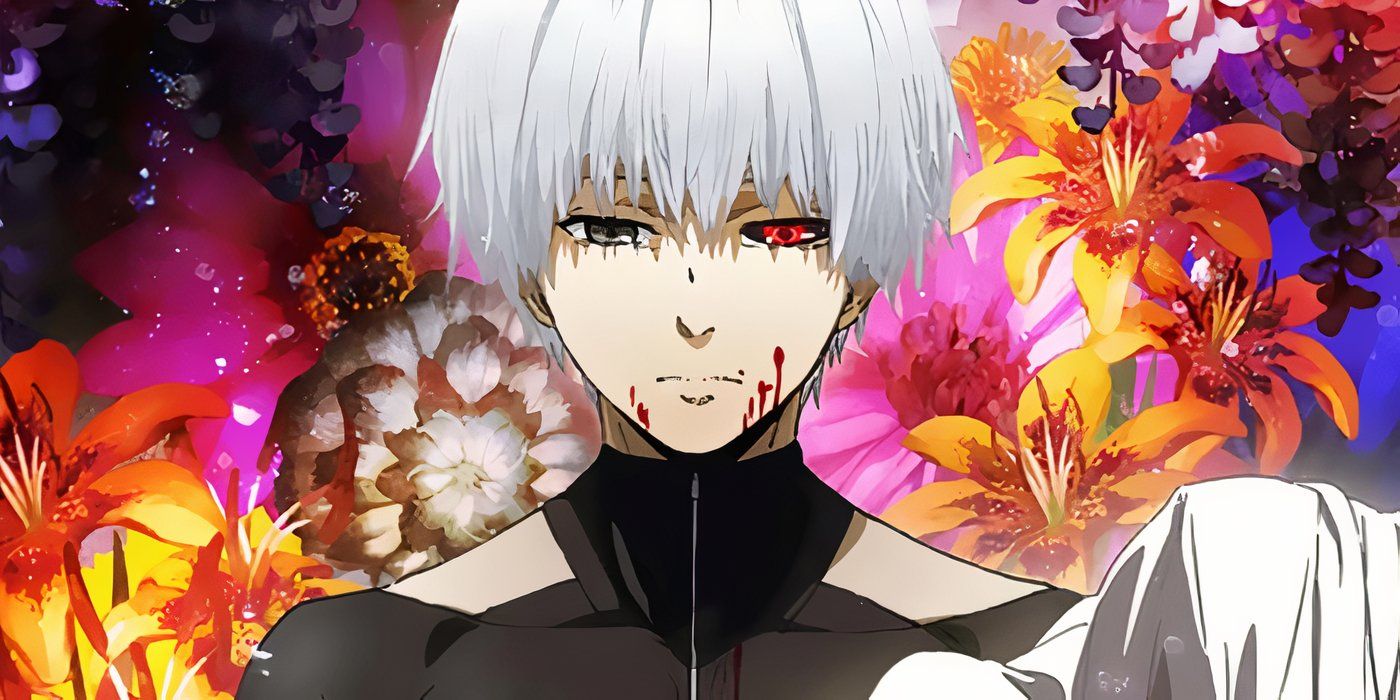
It’s been over a decade since Tokyo Ghoul first appeared on screens, introducing millions of anime fans to its brutal world of ghouls. The series had all the makings of a classic with its attention-grabbing premise, haunting themes, and some of the most compelling character arcs in modern manga. Yet, despite the anime adaptation never quite living up to the manga’s full potential due to rushed and inconsistent pacing, disjointed storytelling, and creative decisions that stripped away the emotional depth, it left many longtime fans frustrated and newcomers confused.
However, even after all these years and a flawed anime adaptation, the impact left behind by Tokyo Ghoul hasn’t faded. Its influence is still strong in fan communities through cosplay, fan art, and countless “what if” conversations. The manga continues to receive praise for its narrative and depth, reminding fans of the story’s original power. Tokyo Ghoul has a bittersweet legacy as a masterpiece buried beneath the shadow of a flawed adaptation, still awaiting recognition for what it truly is.
Over Ten Years Later, Tokyo Ghoul Still Doesn’t Get the Recognition It Deserves
Tokyo Ghoul Began To Lose Momentum as Years Went On
When Tokyo Ghoul first debuted in 2014, it generated significant buzz almost instantly. The premise was fresh, the atmosphere gritty, and the characters offered something darker and more emotionally complex than many other anime. It quickly gained a massive fan base and seemed poised to take its place alongside other anime giants. However, as the years passed, its name faded from conversations, and despite the influence it had on fan communities, Tokyo Ghoul is often overlooked compared to other anime shows from the same era, despite its significant role in shaping the anime landscape of the 2010s.
Related
Tokyo Ghoul Is Great, But The Creator’s New Manga Deserves Way More Love
Discover the overlooked gem from Sui Ishida, the mastermind behind Tokyo Ghoul — and dive into his new manga to uncover why it’s a must-read.
A decade later, it’s clear that the series never fully received the critical recognition or lasting celebration it deserved. Tokyo Ghoul may have had a rocky anime adaptation and is often treated as an afterthought; however, its powerful themes of identity, trauma, and morality are still compelling and resonate. It remains underappreciated in broader retrospectives and is rarely acknowledged. Time hasn’t diminished the series’ power but has instead made the gap between what Tokyo Ghoul was and how it’s remembered feel even wider.
Tokyo Ghoul Wasn’t Given the Best Anime Adaptation
Tokyo Ghoul’s Adaptation Strayed Away From the Manga
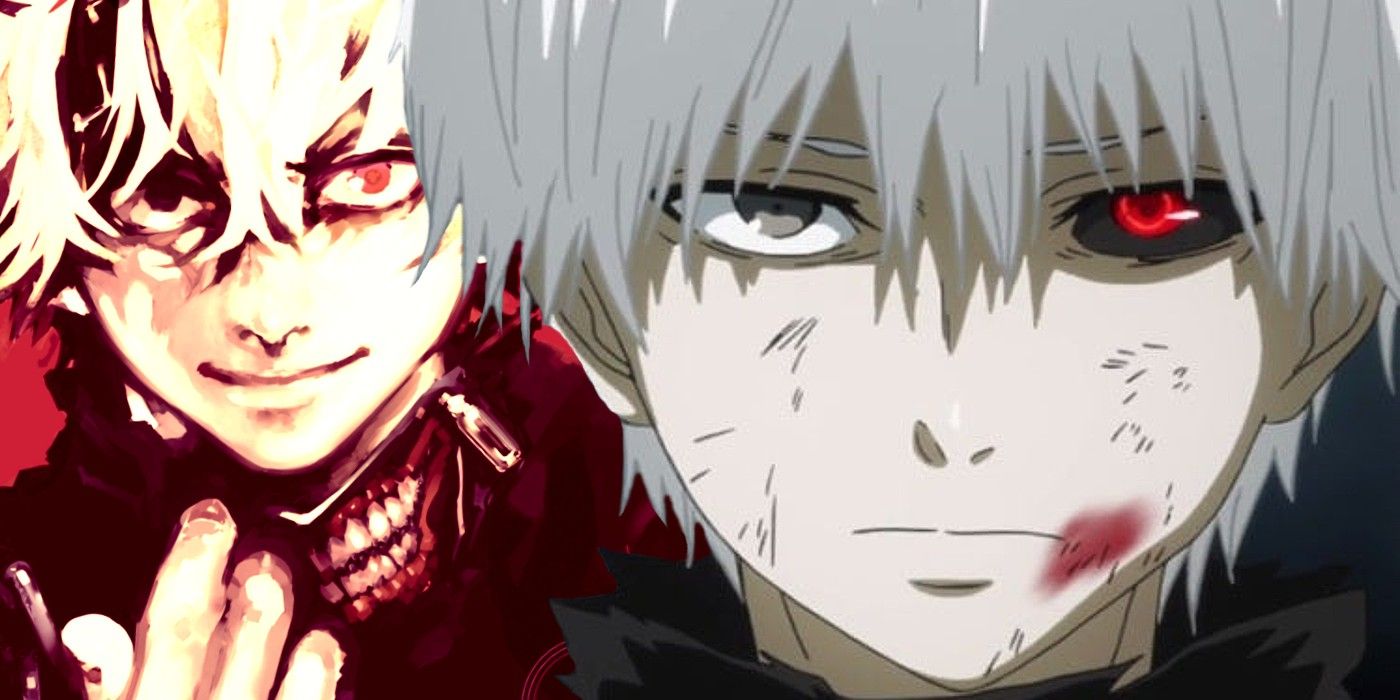
The Tokyo Ghoul anime adaptation started off strong by faithfully adapting the manga’s initial arc. It captured the dark, oppressive atmosphere and the psychological tension surrounding Kaneki’s transformation. However, problems arose quickly after the first season, and the second season of Tokyo Ghoul took a sharp departure from the original story by developing an original storyline that diverged significantly from the manga. This choice baffled fans and critics alike, as it left out important characters and events that provided a greater understanding of Kaneki’s journey.
For example, the anime omitted battles and inner conflicts, robbing viewers of the emotional weight that made the manga as compelling as it was. The decision to prioritize shock value over narrative cohesion ultimately fractured the story’s momentum and weakened the emotional reception. The rushed pacing further eroded character development and thematic depth. Scenes that the manga used to carefully explore Kaneki’s fractured identity and moral struggle were either condensed or entirely missing. Supporting characters like Touka and Hide, who play important roles in the manga, were also sidelined or portrayed in ways that felt lacking.
Tokyo Ghoul’s Manga Shows What the Anime Could Have Been
The Manga Was Far More Complex and Coherent Than the Anime
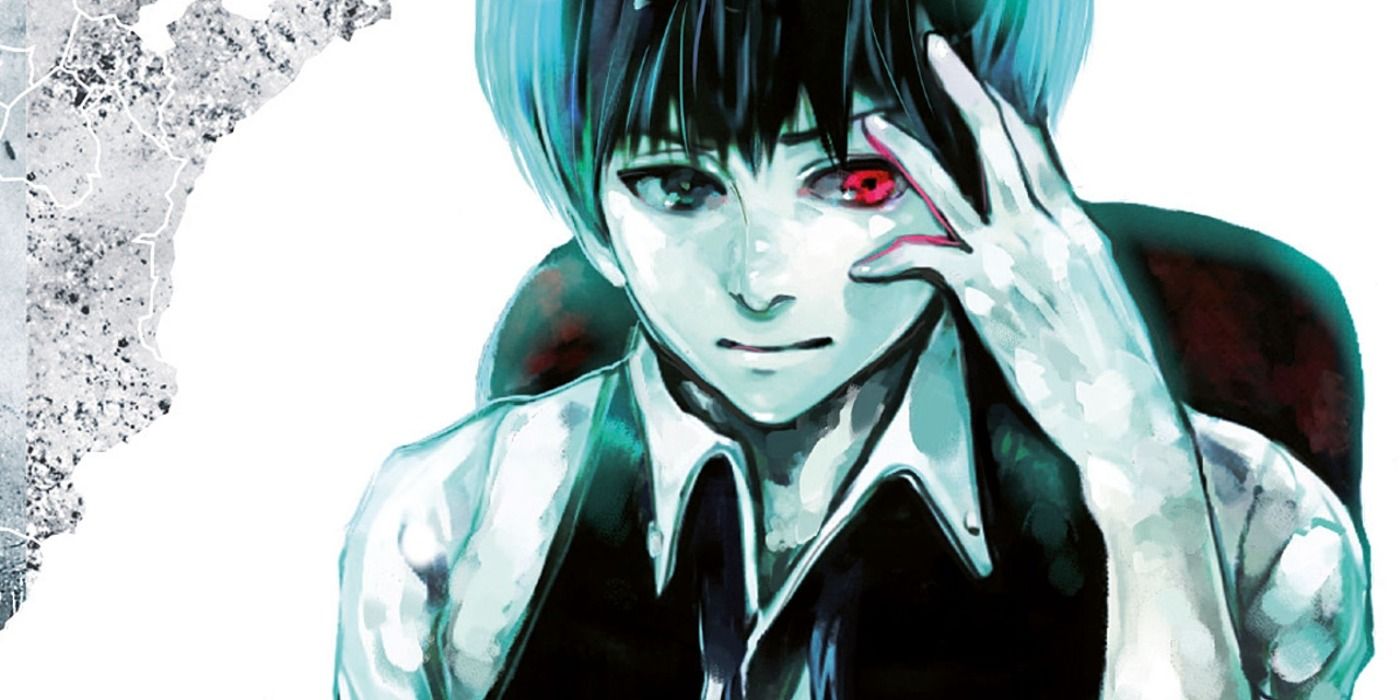
The manga excels at delivering a story rich in thematic depth and complexities that the anime struggled to capture. It allows readers to fully experience Kaneki’s journey and psychological evolution from an ordinary college student to a tormented half-ghoul as he grapples with his identity and morality. Unlike the anime’s rushed and sometimes disjointed storytelling, the manga takes the time to explore Kaneki’s trauma, his shifting alliances, and the moral ambiguity of their world. The character development in the manga receives significant attention, allowing the story to take on a more meaningful exploration of humanity and monstrosity.
The manga’s blend of action, psychological drama, and moral complexity offers fans a clearer vision of what the anime could have achieved.
Beyond Kaneki’s journey, the manga invested heavily in its supporting cast and world-building, fleshing out characters like Touka, Nishiki, and the complex dynamics within the Commission of Counter Ghoul, also known as the CCG, and ghoul factions. Their motivations, struggles, and transformations are done with well-crafted depth, making the conflict much more than just a battle of good versus evil. It explores themes of trauma, identity, and survival in a harsh and ruthless society. The manga’s blend of action, psychological drama, and moral complexity offers fans a clearer vision of what the anime could have achieved.
Tokyo Ghoul’s Impact Outlives Its Anime Adaptation
Tokyo Ghoul Continues To Spark Conversations Around Powerful Themes
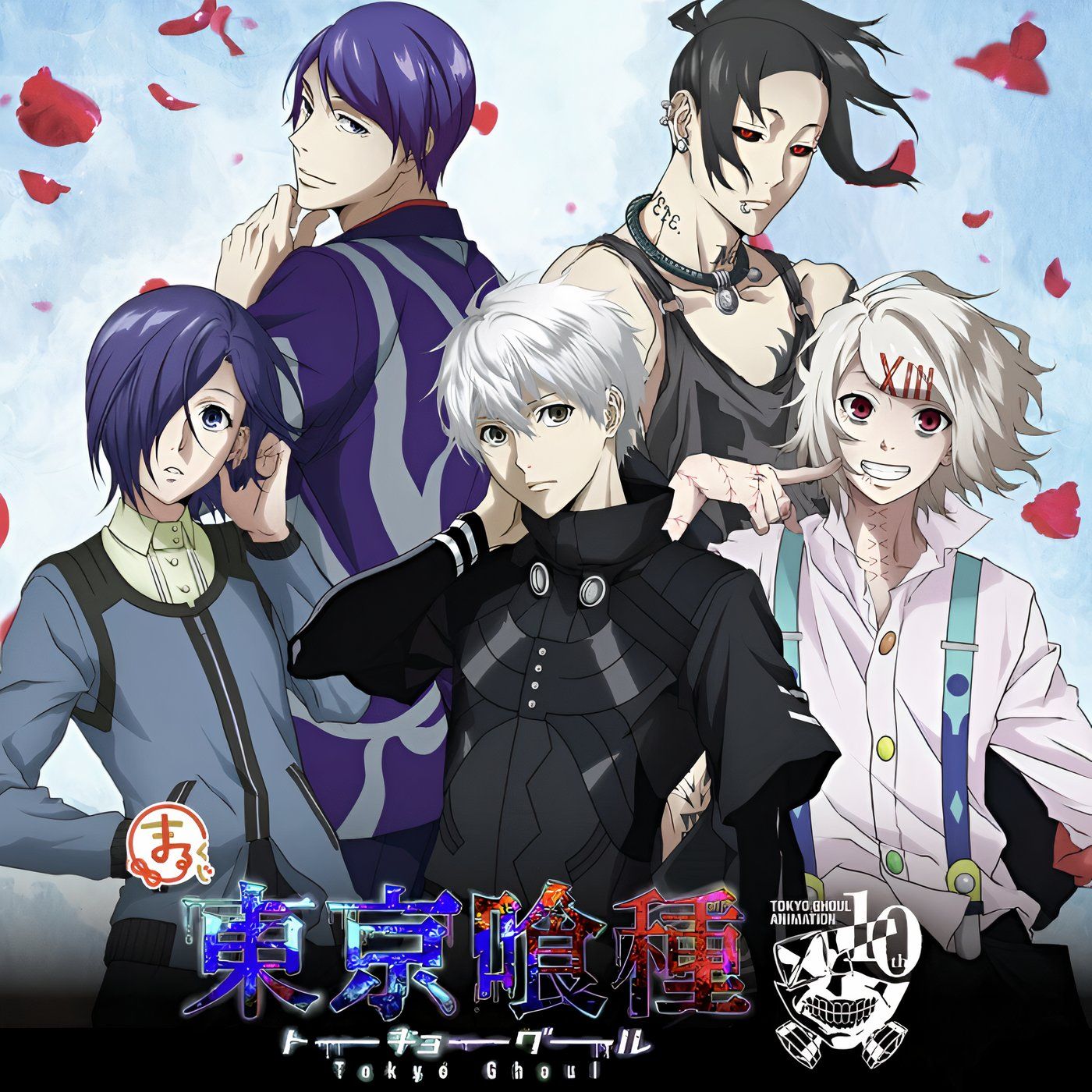
Despite the shortcomings of its anime adaptation, Tokyo Ghoul has maintained a passionate fan base that continues to celebrate its themes and characters more than a decade later. While the anime may have struggled to capture the manga’s complexities, the series still resonates with fans around the world who keep the story alive and delve into its deeper meanings. Even after ten years, the series continues to receive official art and tributes, demonstrating that its impact hasn’t completely faded.
Related
Great Manga Should Not Cost Artists Their Health; Just Look at the Creator of Tokyo Ghoul
Tokyo Ghoul’s Sui Ishida pushes back against industry pressures by showing that manga can thrive without hurting the mangaka.
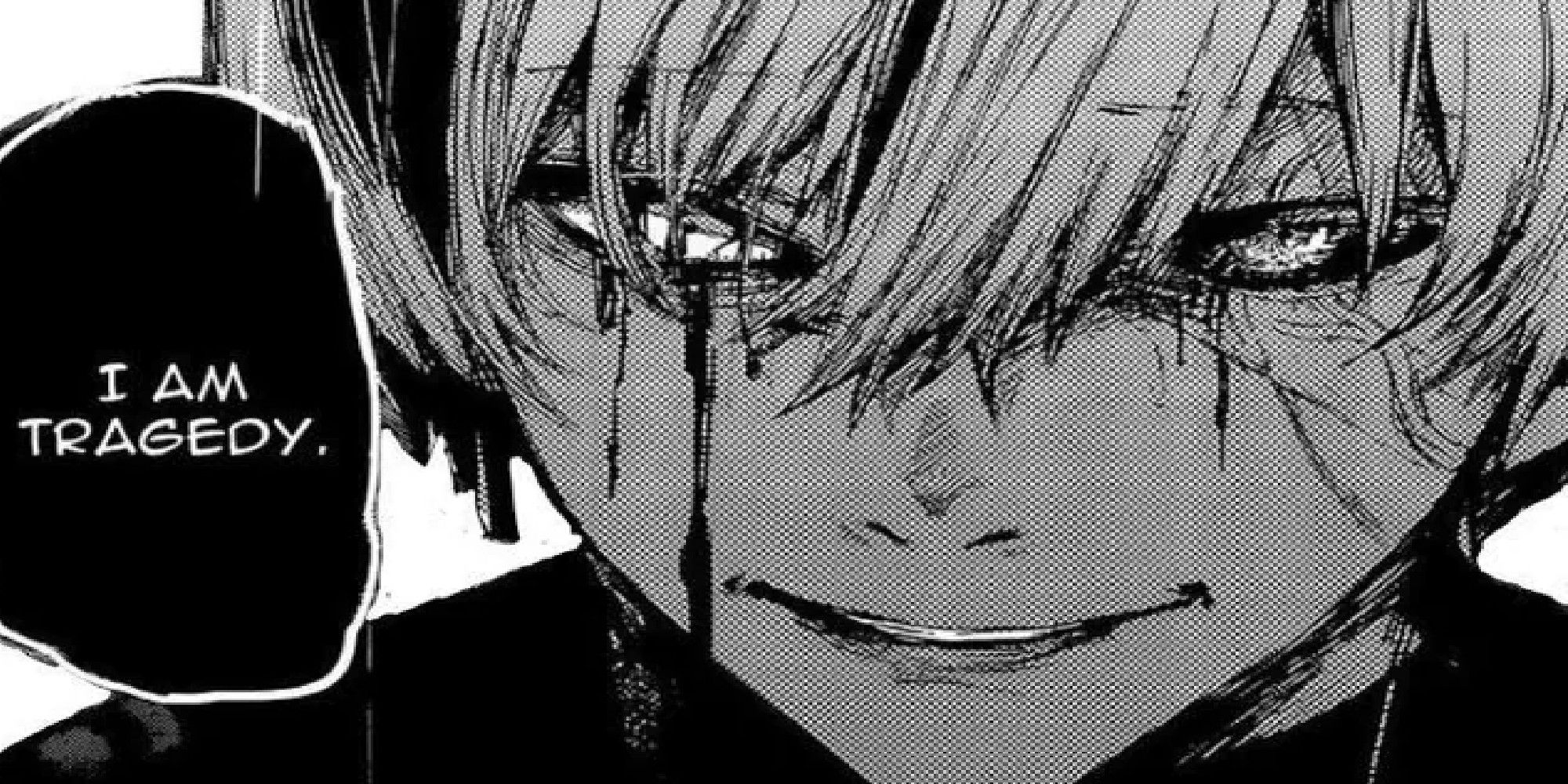
What makes Tokyo Ghoul especially enduring is its willingness to tackle difficult questions about identity, humanity, and survival in a morally gray world. Instead of adhering to simple binaries of good and evil, the series embraces moral ambiguity, allowing it to explore monstrosity and compassion in ways that others cannot. The story examines the terrifying transformation of its protagonist, not only physically but also emotionally and philosophically. Its themes serve as powerful reflections on identity and humanity, urging audiences to explore and redefine their own perceptions.
In the end, Tokyo Ghoul remains a powerful narrative that was ultimately undermined by its anime adaptation. The manga’s original depth and long-lasting influence are proof of the series’ ability to overcome a flawed adaptation. Its intricate world-building and character development set it apart from many other series in the genre. Even ten years later, Tokyo Ghoul continues to be a compelling work that deserves greater appreciation for all its accomplishments.
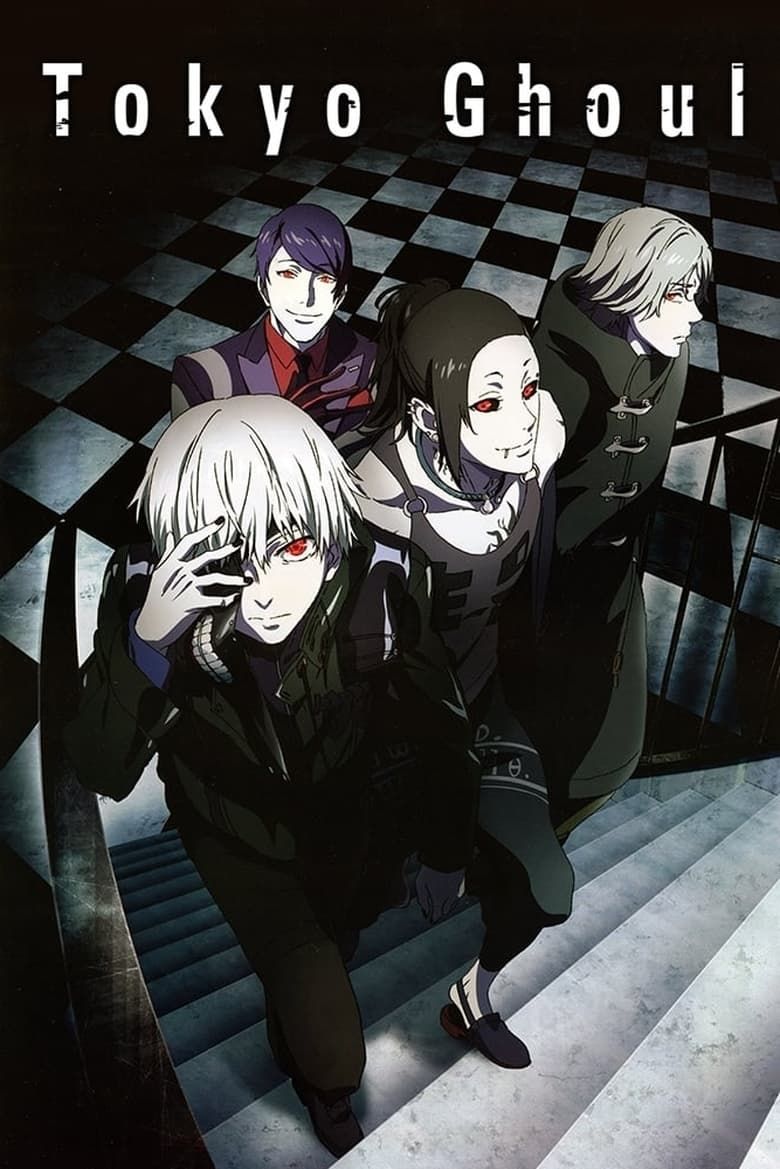
Tokyo Ghoul
Release Date
2014 – 2018-00-00
Network
Tokyo MX
Directors
Shin Matsuo, Taiji Kawanishi, Seo Hye-jin, Masayuki Matsumoto

Natsuki Hanae
Ken Kaneki (voice)
Sora Amamiya
Touka Kirishima (voice)
AloJapan.com