
When most people think of Japan, their minds typically wander to anime, cutting-edge technology, and sushi.
For the longest time, that was my own perception of a country that felt as though it existed in a world entirely its own.
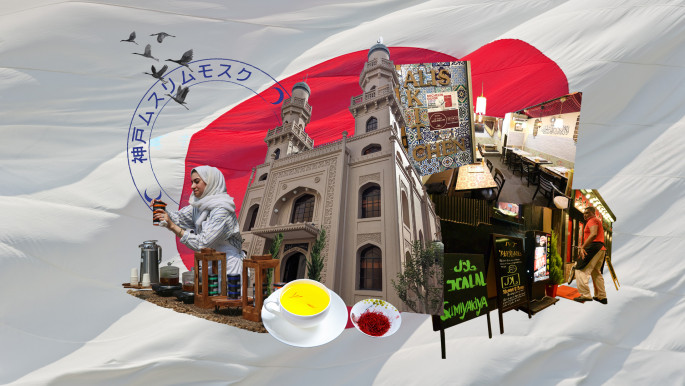
But when I finally arrived, I wanted to see what navigating Japan would be like as a Muslim. Would it be easy to find halal food? How do the Japanese treat Muslims? Ultimately, I wanted to understand: how does Islam’s crescent fare in the land of the rising sun?
Without a doubt, Japan is home to some of the world’s finest cuisine, with dishes like ramen and sushi being iconic representations of the country.
Unfortunately for Muslims, much of this food is based on ingredients like pork and alcohol. But fortunately, halal options are now increasingly available.
My first introduction to Japanese cuisine was at Horyu Ramen, a local restaurant chain in Sapporo that has been operating for over 65 years. To my relief, they offered a halal menu, which included Jingisukan (Genghis Khan) ramen — a grilled mutton dish said to have originated from Japanese workers who had spent time in China.
Unlike most ramen, which is made with a pork-based broth, this one uses miso, or fermented soybean paste, as a substitute. It didn’t disappoint. The broth was flavourful, the meat was tender, and to this day, it remains the best ramen I’ve had in Japan.
AloJapan.com