
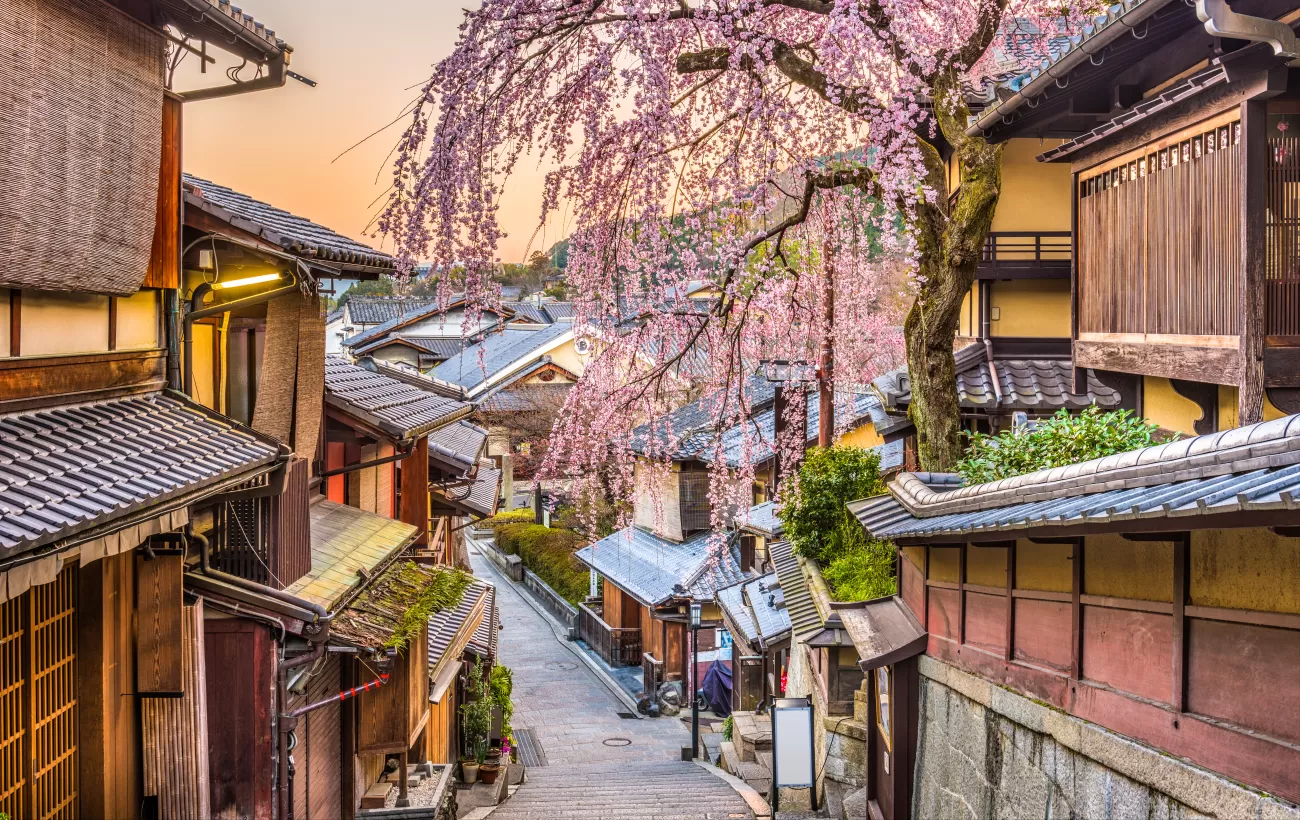
The side of Kyoto you won’t find in guidebooks.
Everyone flocks to Kyoto for its famous temples, cherry blossoms, and traditional streets—but the city has a quieter side too. One that’s tucked away down narrow back alleys, behind moss-covered gates, or high up in the mountains where phone signal fades.
I stumbled into these spots mostly by accident—some through local tips, others from simply wandering without an agenda. These places aren’t packed with tour groups or on every travel blog, but they’re where Kyoto truly whispers to you.
Here’s my personal list of hidden corners that made me fall in love with the city all over again.
📌 Quick Glance: Where to Find Kyoto’s Hidden Magic
Hidden Gem
Where You’ll Find It
What Makes It Special
Shirakawa Minami-dori
Gion
Lantern-lit canal stroll, barely anyone around
Honke Daiichi Asahi
Near Kyoto Station
Locals’ favorite ramen, open nearly 24/7
Uji Backstreets
Uji
Quiet tea shops & sleepy shrines behind the tourist area
Shosei-en Garden
Downtown
Tranquil, often empty oasis just minutes from the station
Kurama to Kibune Trail
North Kyoto
Forest walk between two mystical villages
Kyoto Art Center
Nakagyo Ward
Contemporary art in a preserved schoolhouse
Tadasu no Mori
Shimogamo Shrine
Ancient forest trail with sacred energy
1. Shirakawa Minami-dori – A Gion Lane Frozen in Time
I found this spot while dodging the crowds around Hanamikoji. One left turn, and suddenly the chatter faded. The stone-paved lane that follows the Shirakawa Canal is one of the most atmospheric walks in Kyoto—lined with willow trees and wooden teahouses that glow softly at dusk.
I lingered here for nearly an hour, just walking in almost silence, passing the occasional kimono-clad local. It felt like the city was letting me in on a secret.
🕰️ Best time to go: Just after sunset
📍 Near: Gion-Shijo Station
2. Honke Daiichi Asahi – Ramen That Locals Actually Line Up For
Kyoto Station is a maze of fast-food-style ramen joints, but just around the corner sits Honke Daiichi Asahi. It’s not flashy. In fact, you might miss it if not for the line out front.
I arrived jetlagged at 6 a.m., starving—and ended up with the best bowl of ramen I’ve ever had in Japan. Rich, savory broth. Hearty noodles. And a lot of pork. The locals were slurping their ramen next to me in complete silence. That’s how you know it’s good.
🍜 Tip: Go super early or after 10 p.m. to skip the line
📍 Just east of Kyoto Station
3. Uji’s Backstreets – Tea Country Beyond the Crowds
Most people come to Uji for Byodo-in Temple and Instagrammable matcha lattes. But if you wander away from the riverside, you’ll find a different pace.
I got lost in the backstreets here—in the best way. Elderly couples sat outside hand-rolling tea leaves. I found a tiny shrine behind a crumbling wall, and a shop where they served houjicha ice cream that tasted like toasted heaven.
☕ Must-try: Matcha soft cream + anything roasted
🚉 Access: JR Uji Station (25 mins from Kyoto Station)
4. Shosei-en Garden – A Secret Sanctuary Minutes from the Station
How this place isn’t packed, I’ll never understand.
I found Shosei-en online while trying to avoid the crowds at Higashi Hongan-ji. I paid a small fee, walked through the gate… and was completely alone for the next hour. There are wooden bridges, still ponds with koi, and views of the city peeking through the trees. A picture postcard!
It’s the kind of place that slows your heart rate.
🌿 Entry: Around ¥500
📍 Near: Kyoto Station, behind Higashi Hongan-ji
5. Kurama to Kibune – A Forest Path Between Two Magical Villages
If you ever want to feel like you’re walking through a Studio Ghibli film, this is the hike.
I started in Kurama, a sleepy mountain town with a mystical energy. The trail to Kibune winds through tall cedars, past shrines, and over tree-rooted steps. It’s quiet, except for birds and your own breath. When I reached Kibune, I sat by the river and ate cold soba noodles on a platform literally over the water.
This walk is worth planning your whole day around.
🥾 Time: 1.5–2 hours one way
🚃 Access: Eizan Line from Demachiyanagi Station to Kurama
6. Kyoto Art Center – Where Old Meets Experimental
Set in a beautifully restored schoolhouse, the Kyoto Art Center is an odd but beautiful contrast—old wood floors and chalkboards still in place, now home to installations, live performances, and artist residencies.
I caught a dance rehearsal here and then browsed an exhibit of modern ceramics in a classroom. It was raw, strange, and somehow perfect.
🎟️ Entry: Free, some events ticketed
📍 Downtown (Nakagyo Ward)
7. Tadasu no Mori – Kyoto’s Sacred Forest That Feels Alive
This is one of those places where the air feels different. Thicker, older somehow.
Tadasu no Mori is the ancient forest that surrounds Shimogamo Shrine. The trees are massive and stretch up so high, they seem to swallow the city noise. Locals believe this place purifies the spirit, and honestly—I kind of get it now.
It’s not flashy. But if you want to feel Kyoto, come here and walk slowly.
🌲 Where: Near Demachiyanagi Station
🌤️ When to go: Morning, with coffee in hand
💬 A Few Things I Learned Along the Way
Kyoto rewards slow travel. Wander. Get lost. Say yes to weird alleyways.
The best meals are often the ones with no English menu.
Locals may seem shy, but they’ll open up if you’re polite and curious.
The further you get from the main streets, the more magic you’ll find.
🔍 Real Traveler FAQs
Are there quiet places in Kyoto that aren’t packed with tourists?
Absolutely. Shosei-en Garden, Tadasu no Mori, and the backstreets of Uji are rarely crowded, even during peak season.
Can I explore Kyoto’s hidden areas on my own?
Yes, and you should. Kyoto is extremely safe and walkable. Just be respectful of residential areas.
What’s the best way to find local-only places in Kyoto?
Honestly? Wander. Follow your instincts. Skip Google Maps sometimes. That’s how I found most of these.
Final Thought: Let Kyoto Reveal Itself
If you only stick to the famous spots, you’ll see Kyoto’s surface. Beautiful, yes—but only a slice.
If you slow down, take a left when everyone else goes right, and let yourself be curious?
You’ll find a Kyoto that feels alive in a way no itinerary can capture.
And you might just fall in love with it like I did.
📚 Extra Reading: More Places to Fall in Love With
If you’re the kind of traveler who enjoys discovering the heart of a place beyond the usual itinerary, you might enjoy these destination deep-dives too:
AloJapan.com