
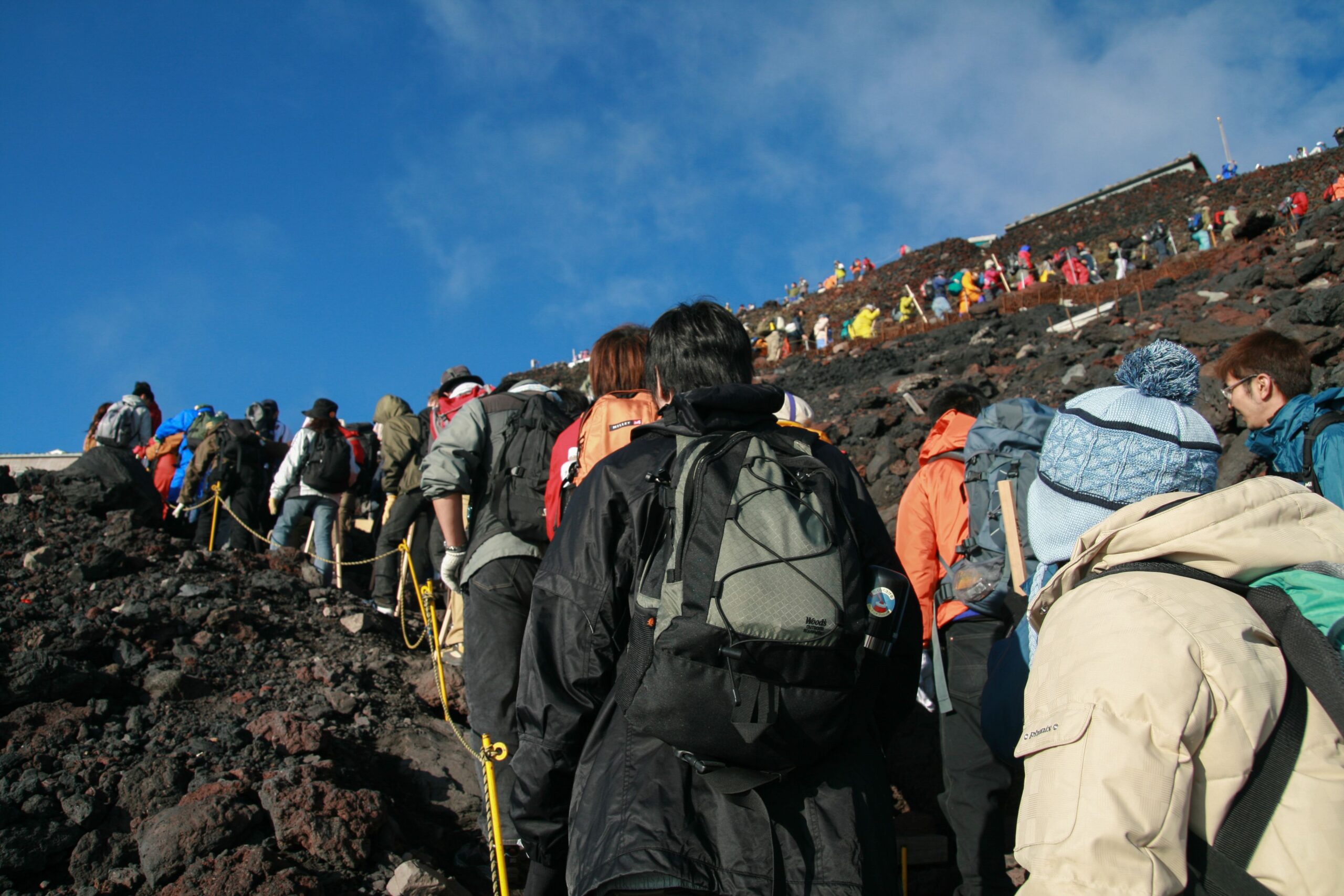
With the climbing season set to begin in a little more than three months in Japan, the Shizuoka and Yamanashi prefectures want climbing enthusiasts planning on scaling the popular tourist attraction and UNESCO World Heritage Site, Mount Fuji, to be aware that some changes have been made in terms of permit costs and additional requirements for the new year.
In an effort to combat overtourism, particularly on Mount Fuji, which officials state has been labeled ‘trash mountain’ due to the overcrowding of millions of tourists that scale the country’s tallest mountain, both prefectures that reign over the shared pilgrimage site have chosen to increase the permit fee costs associated with climbing the mountain, while introducing “comprehensive safety measures,” which require climbers to take a test before they will be permitted to ascend 12,388 feet (3,776 meters) up to the summit.
Here’s what you need to know before the July to September 2025 climbing season begins.
Related
Mount Fuji Finally Receives Snowfall After Two Month Delay: Climate Change to Blame
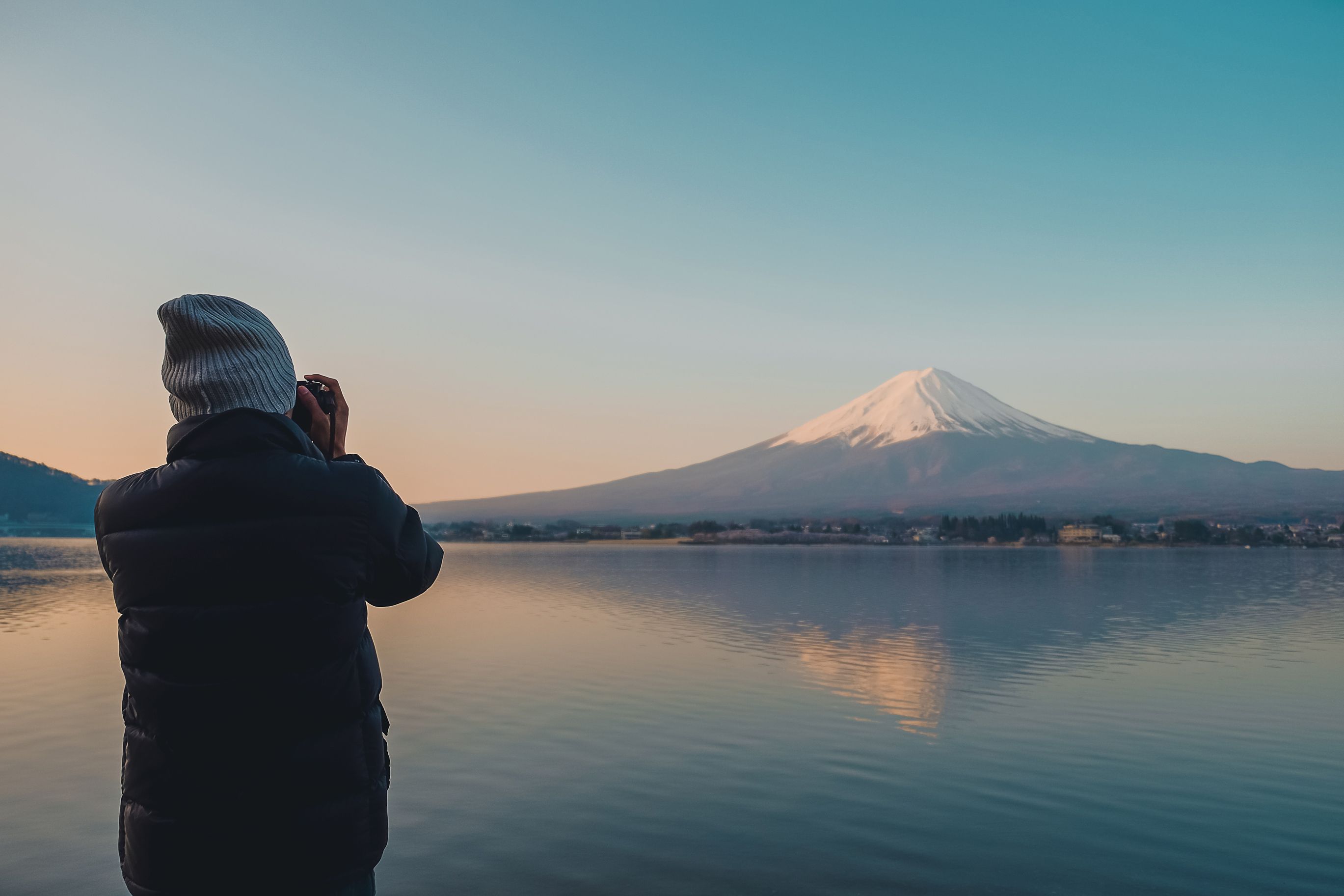
This morning, Mount Fuji’s famous peak appears to be dazzling with white snow after nearly two months without any of the white stuff
Increased Fee and New Rules and Requirements for Mount Fuji’s Climbing Season 2025
Let’s start with the increased climbing permit fee, shall we? Last year, the cost to scale Mount Fuji required climbers to invest in a permit and pay a fee of $12.40 (2,000 yen) per person. For 2025, that fee has doubled. Beginning on July 1st, climbers will now need to pay $27.00 (4,000 yen) per person.
In addition, climbers must book their expedition up the mountain online, by choosing a time slot, and providing their details when doing so, such as name, contact information, etc.
In response to the increased number of rescues that medical emergency responders have to handle when climbers find themselves lost on the mega-mountain, injured, or worse, the Shizuoka prefecture has decided to add new rules and regulations for climbers interested in hiking
Mount Fuji
this year and going forward.
Additional safety measures have been put into place for Mount Fuji’s trails. According to the Shizuoka prefecture, three out of four of the mountain trails will require hikers, climbers, and walkers to attend a brief hiking safety class while learning about the local rules that must be followed. Once they have completed the class, they will be quizzed on a short test to ensure they have absorbed what they have learned and will put it into practice.
“By strongly promoting comprehensive safety measures for climbing Mount Fuji, we will ensure that Mount Fuji, a treasure of the world, is passed on to future generations,” said Koutaro Nagasaki, governor of Yamanashi Prefecture, stated last year.
Related
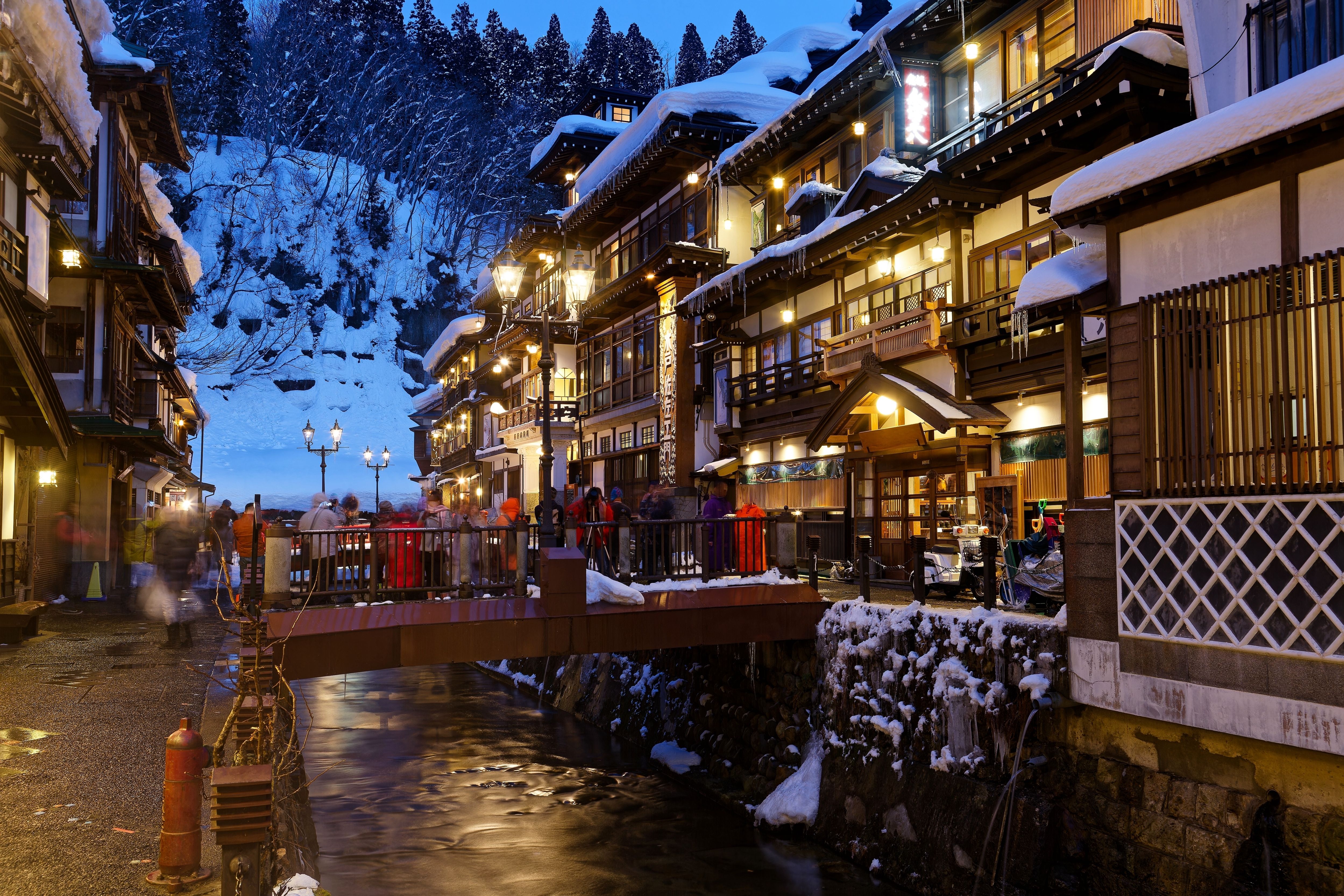
Popular Hot Springs Town in Japan Takes Measures To Prevent Overtourism Beginning January 2025
Going Into the New Year, Visitor Restrictions and Advanced Booking Are Required Before Visiting Ginzan Onsen
New Restrictions For Mount Fuji Closing Times Begin on July 1st
The two prefectures have also decided to change the closing time to enter the starting point of Mount Fuji to further ramp up security and safety measures.
Beginning July 1st, new restrictions come into play for climbers who are not spending the night in one of the mountain huts along the
hiking trails
. A closing time of 2 p.m. every day, including weekends will go into effect at the beginning of the climbing season, and the starting point will not reopen until 3 a.m.
The huts, which are quite popular with climbers and hikers who have difficulty completing a mountain climb due to inclement weather, lack of daylight, and exhaustion, come in quite handy when a climber needs to take that energy break before beginning their ascent up the mountain again.
And, while many wonder why Japan is curbing tourism on Mount Fuji, government officials are merely following in the footsteps of other countries around the globe who have grown tired of witnessing mass throngs of tourists arrive at their sites only to damage them, and ease the overcrowding for residents who once relished a more peaceful surrounding and existence before the pandemic.
AloJapan.com