
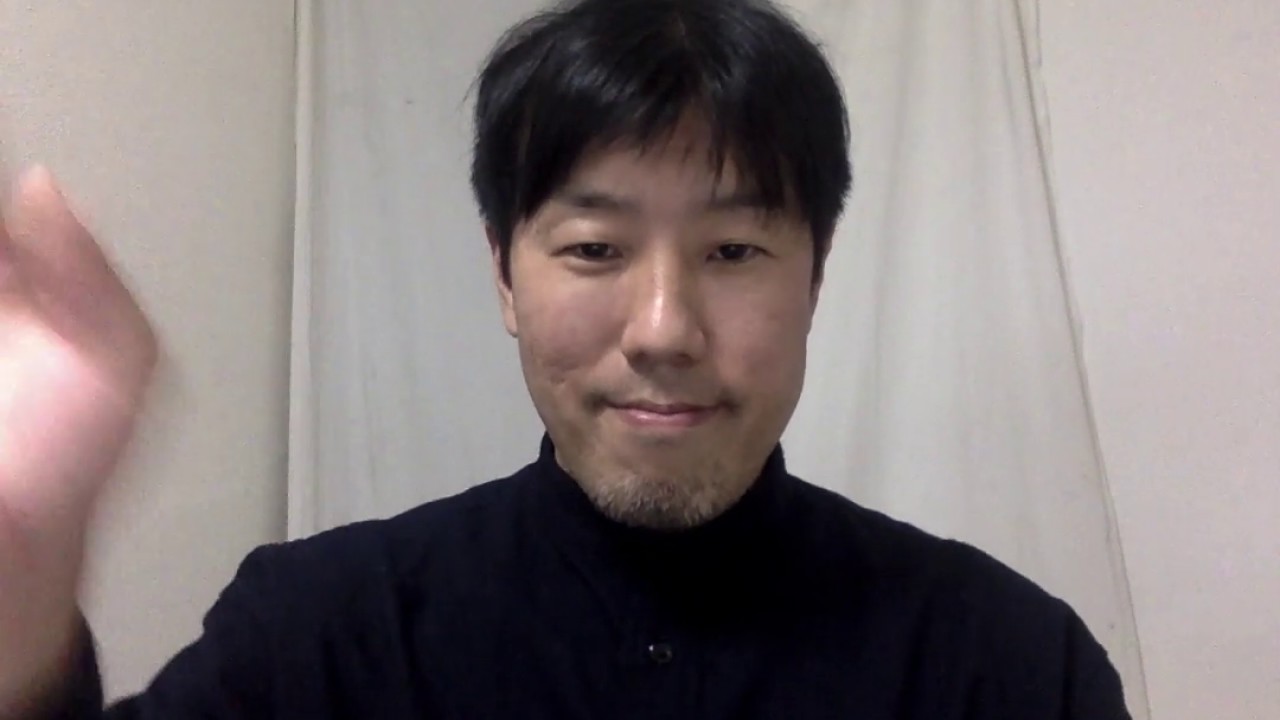
Takahiro Iwasaki was to be Portland Japanese Garden’s first Artist-In-Residence starting in June of 2020. With the COVID-19 outbreak postponing Iwasaki’s time in Portland, the artist sent along this message to the community. (Translation here. More about the Artist below)
“Hi everyone at Portland Japanese Garden, its members, and Japanese art & culture lovers across the U.S.. I am Takahiro Iwasaki based in Hiroshima, Japan. Hope all is well with you all.
As you may know, due to the turmoil and uncertainty caused by the COVID-19 pandemic, the Garden’s first-ever artist-in-residency program and my visit to Portland was postponed and I am very sad to miss the beautiful Spring/Summer time in Portland this time.
The numerous bridges of huge scale linking the West and East sides of the city, along with the famous bookstore were among the things that I truly was looking forward to revisiting many times during my residency in Portland.
When the dust settles and is safe to travel, I will reschedule my visit to Portland and eagerly look forward to meeting you then at one of the best and most authentic Japanese gardens which took my breath away – even coming from Japan.
These are truly unprecedented times all across the world but I am sending all my best and well wishes from Hiroshima to you all in the U.S. and beyond!”
***
Born in Hiroshima, 1975. Lives and works in Hiroshima.
Takahiro Iwasaki transforms everyday objects and materials such as toothbrushes, towels, bookmarks, and duct tape into pylons, cranes, and delicate landscapes. Through the transformation of these familiar household items, the artwork invites viewers to adopt new perspectives on the everyday. Towers made of towel, threads built on randomly stacked cloth, remind us of the pylons we see in the mountains, and cranes made of bookmarks on books give the illusion of a building site.
Another series of his, ‘Reflection Model’, consists of detailed three-dimensional wooden models of traditional Japanese architecture, which give the impression of being united with its reflection on water. The influence in creating such fragile sceneries comes from the devastation wreaked upon Hiroshima by the atomic bomb, a city where he still lives and works. His art in its mirror imagery alludes to the 180 degrees turn that the city made from a city at the center of a military operation into the City of Peace after its reconstruction – as such his work can also be interpreted as representing the perception of time.
AloJapan.com