
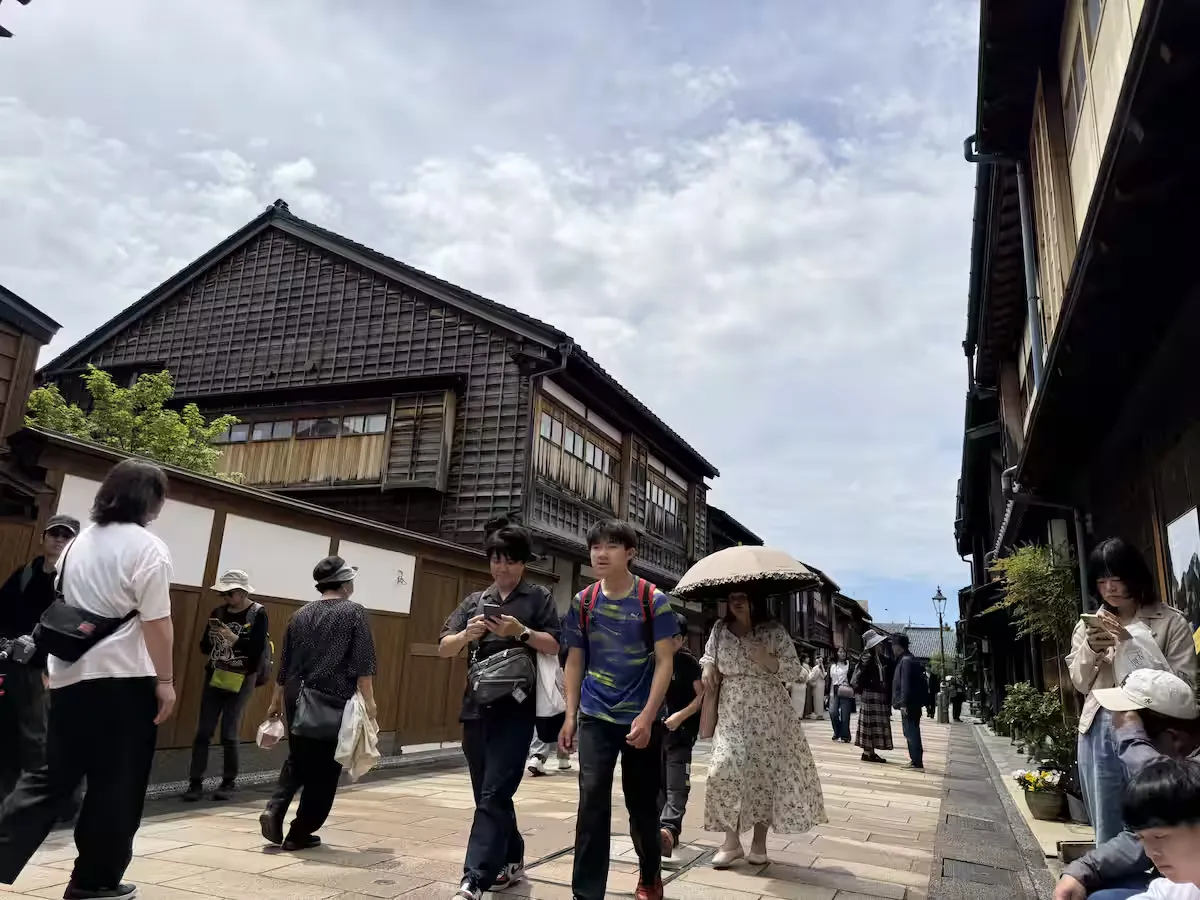
The term “Little Kyoto” is used by some Japanese municipalities whose landscapes resemble Kyoto or that have historical ties to the ancient capital. It has helped them promote their regions, but many are now moving away from it.
The National Kyoto Conference, established in 1985 and made up of municipalities known as “Little Kyotos,” promotes tourism in member communities by linking them to the widely recognized name.
To join the organization, a municipality must meet at least one of three criteria: having a landscape resembling Kyoto, historical ties to the city, or traditional industries or performing arts.
However, the conference does not officially certify or manage the “Little Kyoto” brand, so municipalities outside the organization can also use the term.
According to the group, membership grew from 27 cities and towns when it was established to 36 the following year. It peaked at 56 municipalities in 1999.
In recent years, a growing number of municipalities have withdrawn from the conference. As of April this year, membership stood at 37 municipalities. Kanazawa in Ishikawa Prefecture and Takayama in Gifu Prefecture have also dropped the label.
The conference says there is a growing trend toward highlighting the unique appeal of each region rather than relying on a shared name.
Promoting Local Identity
Kanazawa is known for its traditional teahouse architecture and historic streetscapes. It joined the conference in 1988 and was also known as the “Little Kyoto of Hokuriku,” but withdrew at the end of fiscal 2008.
According to the city’s tourism policy division, efforts to develop a distinct approach to urban development accelerated after Kanazawa joined the League of Historical Cities in 2009.
Another factor was that some had questioned from the outset whether the city was culturally similar enough to Kyoto to warrant the comparison. The “Little Kyoto” catchphrase has since disappeared from the city’s tourism brochures and website.
Takayama in Gifu Prefecture also withdrew from the conference as it pursued its own approach to tourism. The city says the term “Little Kyoto” is no longer used in travel-agency brochures, either.
Benefits and Limits of Branding
At the same time, some municipalities have newly joined the conference. Tanagura in Fukushima Prefecture suffered a decline in tourists due to reputational damage following the 2011 Great East Japan Earthquake and nuclear power plant accident.
Seeking to improve its image, the town joined the conference in 2015 and began promoting itself as the “Little Kyoto of Tohoku.” Its tourism association says the town’s visibility has improved since then.
Such strategies can help raise a destination’s profile and improve its image on a limited budget. But there is also a downside: when the “Little Kyoto” label takes precedence, the unique characteristics of a region can become less visible.
“Tourism is constantly changing, and strategies are changing with it,” said Satomi Yamato, a professor of tourism and regional marketing at Osaka University of Economics.
In recent years, demand has grown among travelers seeking to experience the history and culture unique to each region, she added. Yamato expects tourism strategies that do not rely on shared brands such as “Little Kyoto” to become increasingly common.
She also pointed to intensifying competition among regions as municipalities step up their promotion efforts.
“The trend toward moving away from shared brands and differentiating individual destinations is likely to spread,” she said.

RELATED:
Author: Akari Horiguchi, The Sankei Shimbun
Continue Reading
AloJapan.com