
Italian fashion house Miu Miu has never limited itself to the field of fashion – of simply adorning women in pretty clothes. Through schemes like Women’s Tales (a platform for commissioning female-led short films) and various artistic collaborations, it has championed women’s empowerment and supported those expressing themselves in other fields.
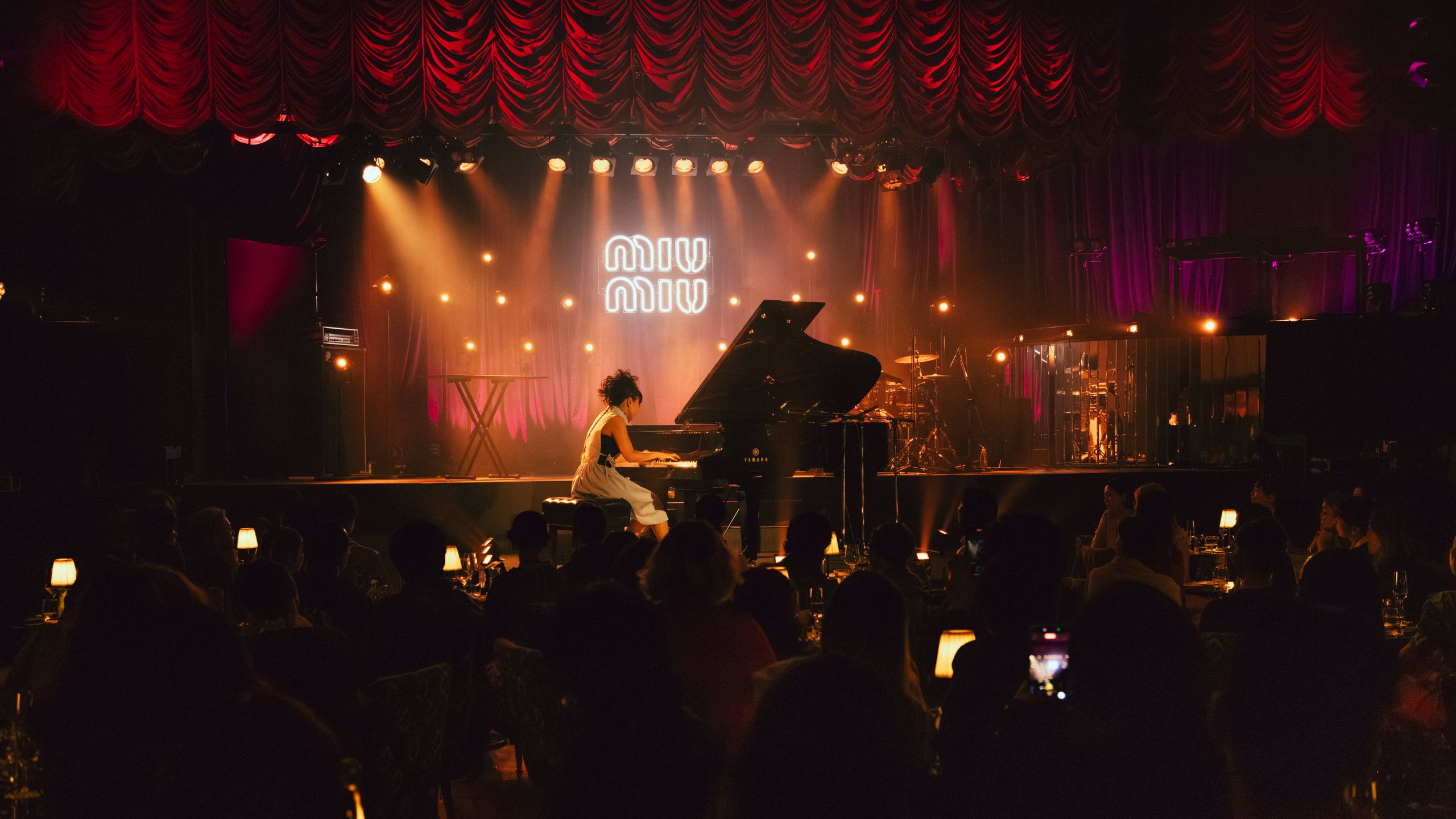
And, while the house recently organised the Miu Miu Literary Club during Milan Design Week – encouraging attendees to read books and discover more about female authors – on 13 May 2026, the house arrived in Tokyo, and turned to music, to mark the reopening of its store in the city’s Ginza neighbourhood with a one-night-only jazz club.
Inside the Miu Miu Jazz Club, Tokyo
(Image credit: Miu Miu)
Indeed, Miu Miu has always embraced the diverse cultures of the various countries where it has a retail base. When its London store reopened in late 2025, the brand celebrated the occasion at Koko, the iconic music club in Camden that recently marked its 125th anniversary. In honouring the reopening of the Ginza store, Miu Miu paid tribute to Japan’s distinctive jazz culture.
Originating in the United States, jazz was brought to Japan as early as the 1920s by Japanese people who had travelled to America via the Pacific, and has been a part of the country’s culture ever since. With the opening of Japan’s first dance halls during the same period, jazz took root in Japanese society, alongside ballroom dancing. It also spawned a distinctive local listening culture, what is known as the ‘jazz kissa’ – a café to listen to jazz.

Miu Miu’s newly reopened store in Tokyo’s Ginza neighbourhood
(Image credit: Miu Miu)
Following the unveiling of the renewed Ginza store, which houses Miu Miu’s first VIP salon in the country – aligned with the brand’s philosophy to be tailored to Japanese customers who appreciate intimate hospitality – the venue for the one-night-only jazz club was the Dance Hall Shinseiki, which opened in 1948, shortly after the Second World War. Located near Ueno, a cultural district in Tokyo where Japan’s first public art museum (Tokyo Metropolitan Art Museum) and art university (Tokyo University of the Arts) are still based. It is now the only remaining dance hall in Japan.
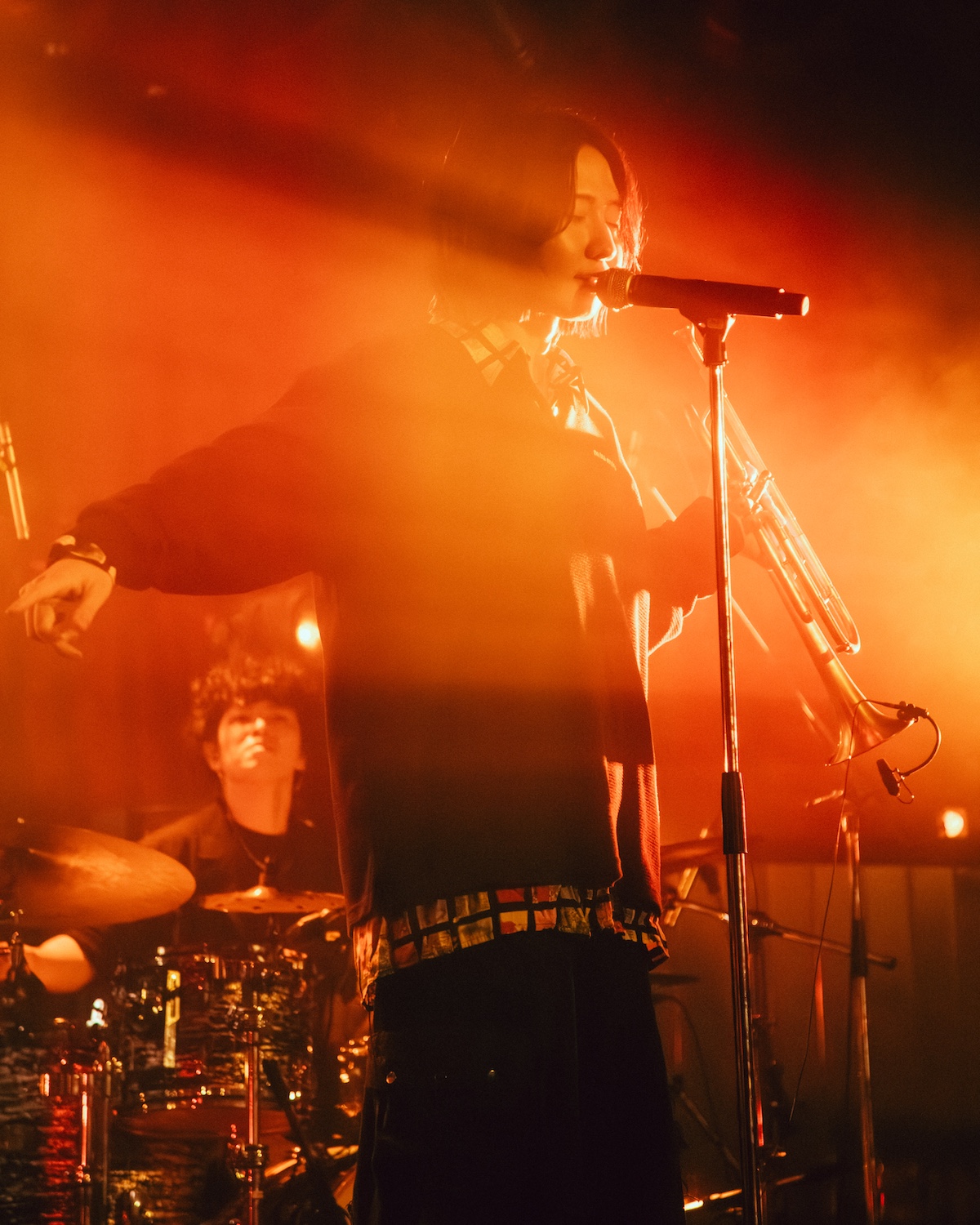
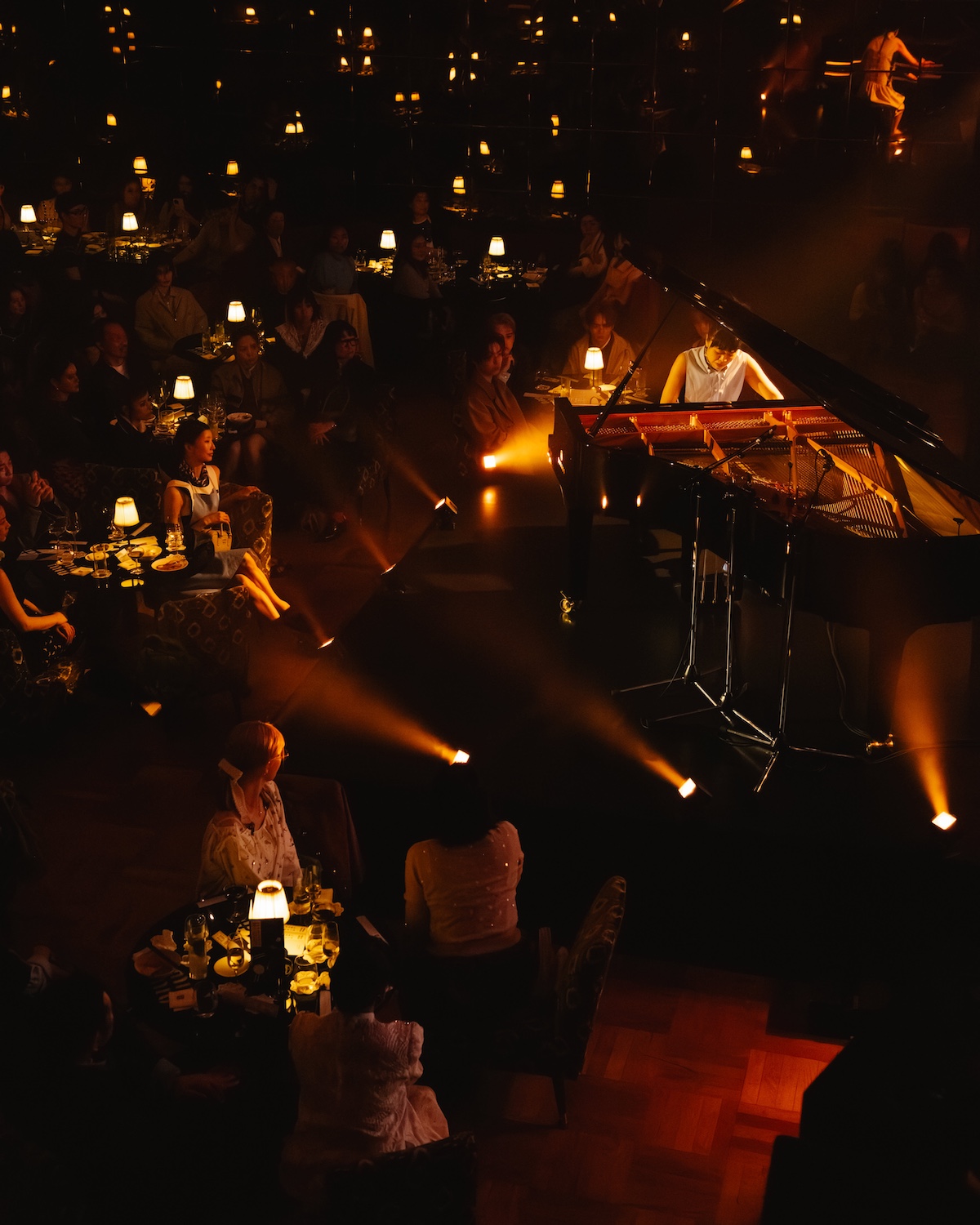
It was an apt location for the jazz club, with the evening unfolding against the backdrop of a nostalgic dance hall, where the original interior from some 80 years ago remains intact – complete with velvet stage curtains and Victoriana-style damask wall coverings. Performances included young Japanese trumpeter Reiya Terakubo and jazz pianist Hiromi Uehara, the latter acclaimed worldwide. A Grammy Award winner, Uehara is a fearless artist who, at the age of 17, was invited by the late jazz pianist and composer (and legend in his field) Chick Corea to join him on stage.
(Image credit: Miu Miu)
Immersed in the rich and versatile melodies, it felt as if Uehara was playing in a quartet rather than solo. Incorporating elements of Latin, rock and classical music, she nonetheless encapsulated the unique character of Japanese jazz. Her performance also saw her use her body as if dancing, the smoky stage lighting only adding to the atmosphere. A revelation, the pianist transfixed even Miu Miu’s younger fans, who might not usually be drawn to jazz.
miumiu.com
AloJapan.com