
FAQ: Real-Life Anime Locations in JapanWhat is anime pilgrimage in Japan?
Anime pilgrimage, known as seichi junrei, is the practice of visiting real-world locations that appeared in or inspired your favorite anime. Japan’s Anime Tourism Association officially recognizes and promotes these sites, publishing a list of 88 locations annually. Most major sites in Tokyo are free to visit and accessible by public transit.
Where are the real-life Digimon locations in Tokyo?
The main Digimon Adventure locations are in Odaiba, Tokyo Bay. Key spots include the Fuji TV building, Odaiba Beach, and the Rainbow Bridge, which is where the battle against Armagemon takes place in Diablomon Strikes Back. Nakano Broadway in central Tokyo is the setting for Digimon Cyber Sleuth.
Can I visit the stairs from Your Name in real life?
Yes. The stairs are at Suga Shrine in the Yotsuya neighborhood of Shinjuku, about an 8-minute walk from Yotsuya-Sanchome Station. Entry is free at any time. The location matches the film closely and is one of the most visited anime pilgrimage sites in Tokyo.
Which anime series feature Tokyo Tower as a major location?
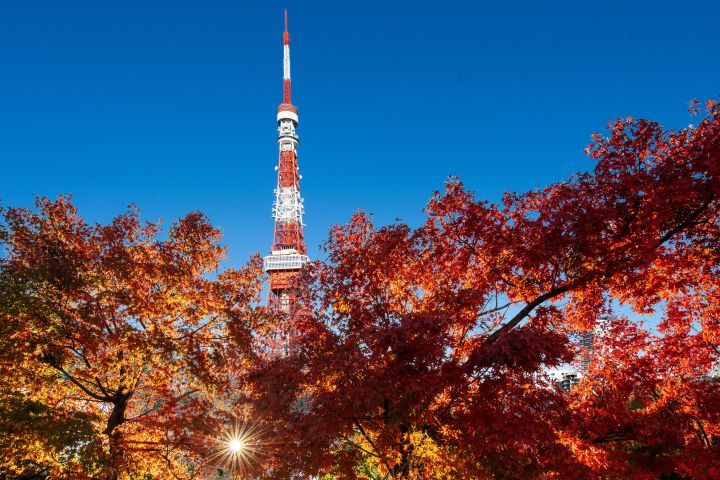
Tokyo Tower is central to Cardcaptor Sakura (the Final Judgement battle), Magic Knight Rayearth (where the three girls meet and are transported to Cephiro), and Sailor Moon (near the home district of Azabu-Juban). It also appears in Neon Genesis Evangelion, Bleach, and numerous CLAMP series. It’s arguably the most-used dramatic location in anime history.
What is the real-life inspiration for the Spirited Away bathhouse?
The most widely cited inspiration is Dogo Onsen Honkan in Matsuyama, Ehime Prefecture. Its multi-story wooden architecture closely resembles Yubaba’s bathhouse in the film. Director Miyazaki has said the design came from multiple Japanese sources rather than a single location.
Where are the real-life Demon Slayer locations?
Asakusa in Tokyo is the setting for Demon Slayer’s Taisho-era scenes, particularly where Tanjiro first encounters Muzan. Start at Sensoji Temple and walk Nakamise Street. For the Swordsmith Village arc, Ginzan Onsen in Yamagata Prefecture is the most cited real-world architectural inspiration.
How do I get to the Slam Dunk crossing in Kamakura?
Take JR Shonan-Shinjuku Line or JR Yokosuka Line to Kamakura Station or Fujisawa Station, then transfer to the Enoden Line to Kamakurakōkōmae Station. Total travel time from Tokyo is about 60 to 90 minutes. The crossing is a 1-minute walk from the station exit and pairs well with a full Kamakura day trip.
Do I need to speak Japanese to visit anime pilgrimage sites?
No. Most major sites have multilingual signage, the Butai Meguri app works in English, and Japan’s train system is extensively signposted in multiple languages. Google Maps handles navigation reliably throughout the country.
AloJapan.com