
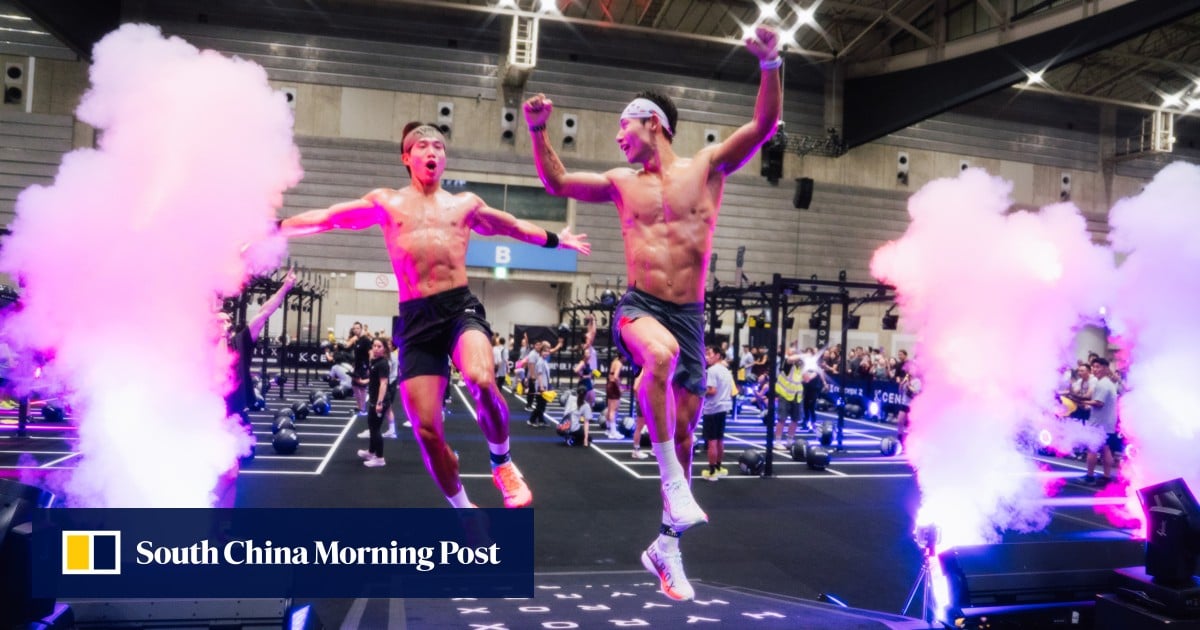
Asia’s fitness scene received a shot of adrenaline when Hyrox hosted its inaugural race in Hong Kong in 2022. The European-born hybrid race quickly gained traction in regional hubs like Hong Kong, Kuala Lumpur and Jakarta, reflecting a broader shift in wellness trends across these markets. Now, there are dozens of races across Asia – not least this weekend’s event in Hong Kong – and between the ubiquitous branded backpacks, social media posts and gyms promoting their race-focused training, Hyrox has become impossible to miss.
Explaining the race’s sudden popularity, Gary Wan, managing director of Hyrox APAC, says, “Asia-Pacific is often recognised for having a fast-growing and thriving fitness industry, driven by rising incomes, urbanisation and stronger health awareness. However, there’s been a dramatic shift from traditional gym memberships to community-led, event-based fitness experiences.”
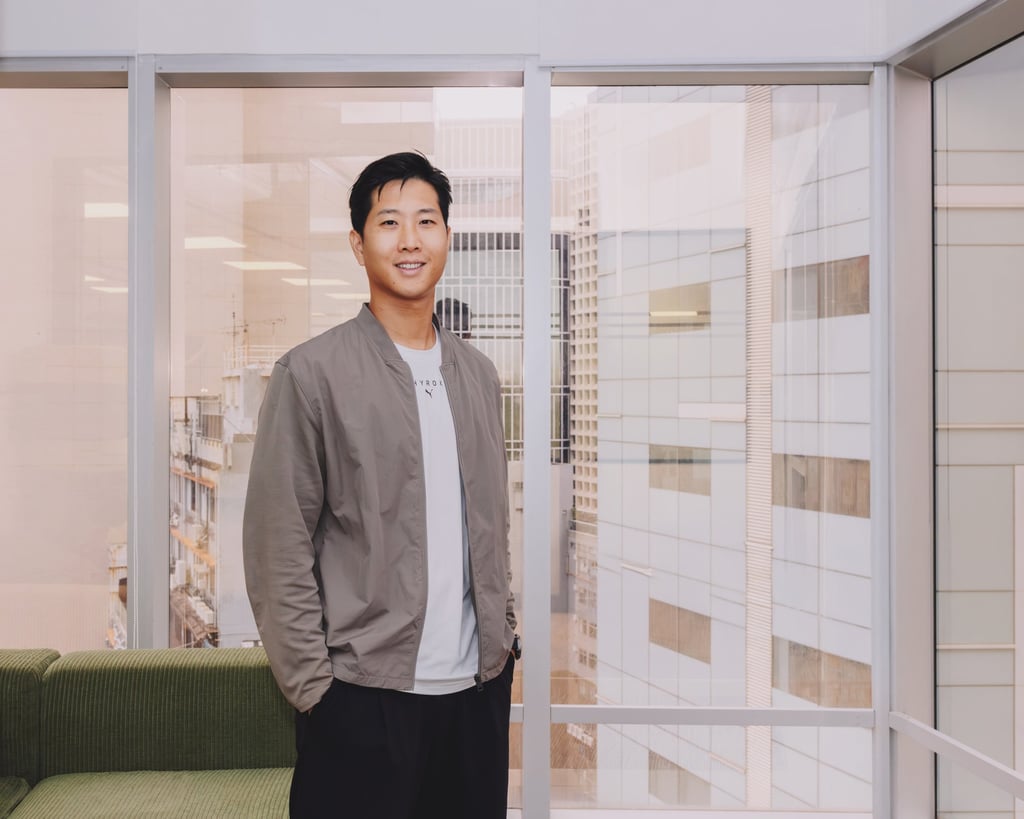 Gary Wan, managing director of Hyrox APAC, believes the social factor is one of the biggest attractions of Hyrox. Photo: Jocelyn Tam
Cody Yeung, studio manager at BFT Causeway Bay, one of Hyrox’s Hong Kong-based training gym partners, adds that the Asian mentality is also particularly primed for what the race offers: “People [here] like structure, clear progress and measurable outcomes – Hyrox gives all of that.”
But what else is driving the seemingly inexorable rise of this fitness phenomenon across Asia?
The social factor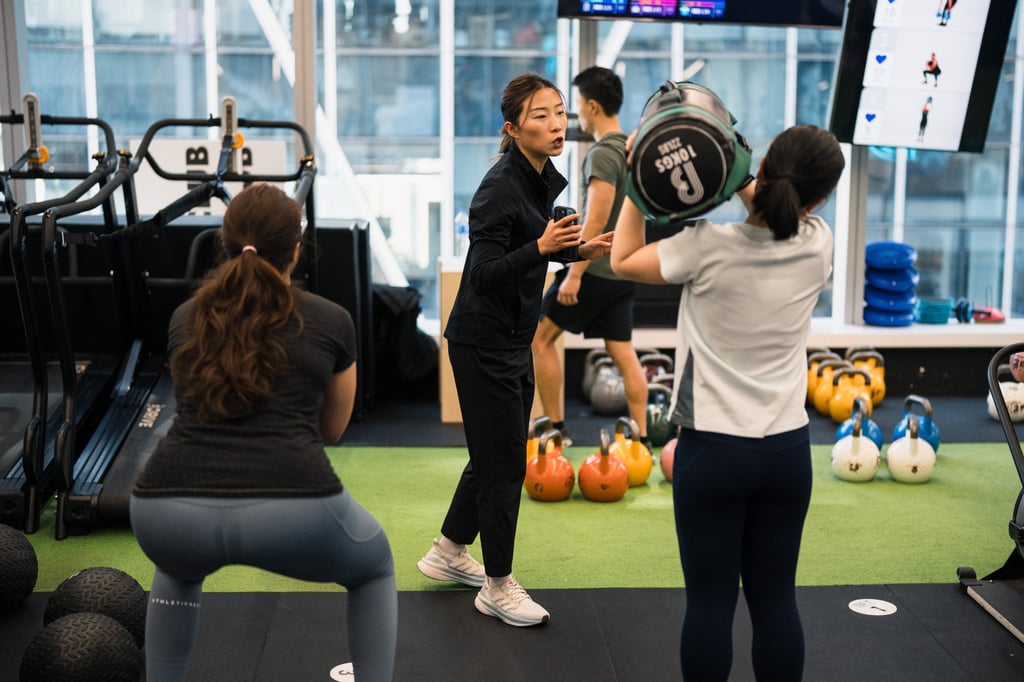 Cody Yeung supervises Hyrox Training at BFT Fitness in Hong Kong. Photo: Handout
Wan describes Hyrox’s social appeal as “the biggest motivator for taking part” in the races. The need for communal fitness gained increasing significance in post-pandemic Asia, with residents wanting to “rebuild the fitness they’d lost and adopt more health-conscious lifestyles” after strict lockdowns and work-from-home measures. They were looking for “more structure, motivation and community in their training”, Wan continues. This shift translated easily to Hyrox’s community-first nature, allowing people to train and compete together.
In many cases, previous participants encourage friends to join their next race, or friends and couples compete together in doubles or as relay teams. Not only does this fuel collaboration as much as competition, but it’s also organically driving Hyrox’s popularity across Asia.
Collaborative approaches also help people push through the mental and physical challenges of training. And when it comes to competition, having friendly support can be incredibly helpful. “The doubles format is a big reason why people start,” says Yeung. “It makes [the race] less intimidating and more fun, so a lot of people sign up because a friend asks them.”
The races themselves have become festival-like, with activations beyond the competition and hundreds of spectators cheering participants on. “We customise the event atmosphere for each market … integrating local cultural elements, from venue entry and food selections to regional performers and DJs,” Wan says. “The culture is electric. Take Japan, for example, where a number of competitors wear crazy, eye-catching outfits and spectators cheer on celebrities … atmosphere like this can’t be artificially created.”
Accessible fitness meets familiar training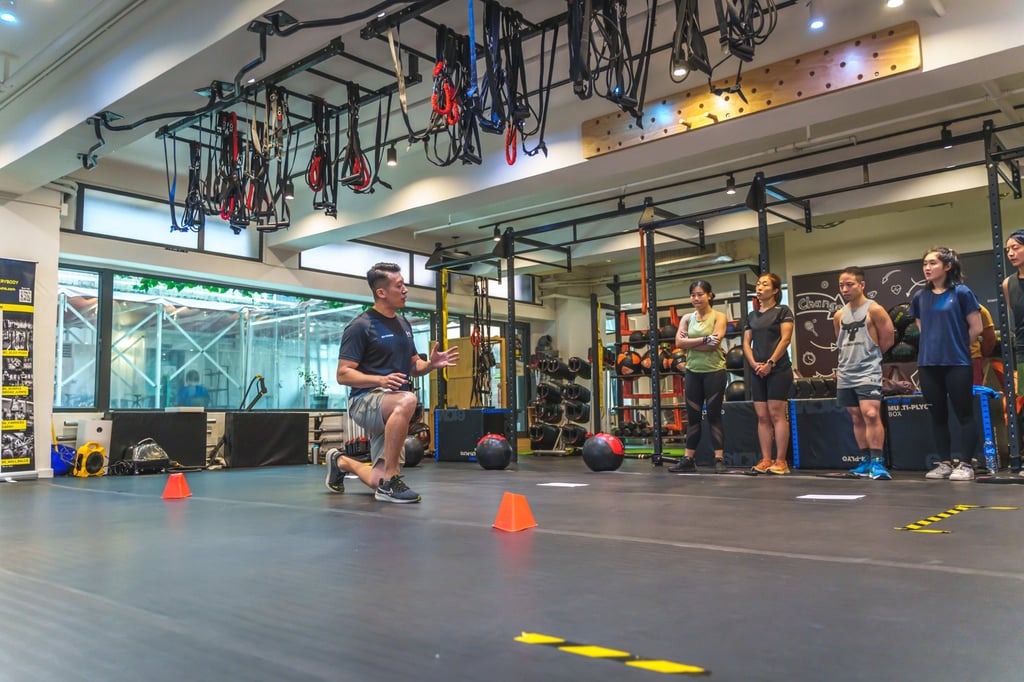 A coach takes racers through training for Hyrox workouts. Photo: Gayatri Bhaumik
An additional factor in Hyrox’s popularity in Asia is its relative accessibility. Unlike marathons or triathlons – which require specialised training, outdoor environments and significant time commitments – Hyrox capitalises on the training most gym-goers are already doing.
“The barrier to entry is low, so you don’t need high-level skills like Olympic lifting or gymnastics,” Yeung says. “The movements are simple but challenging, so it opens the door for a lot more people to step into something competitive.”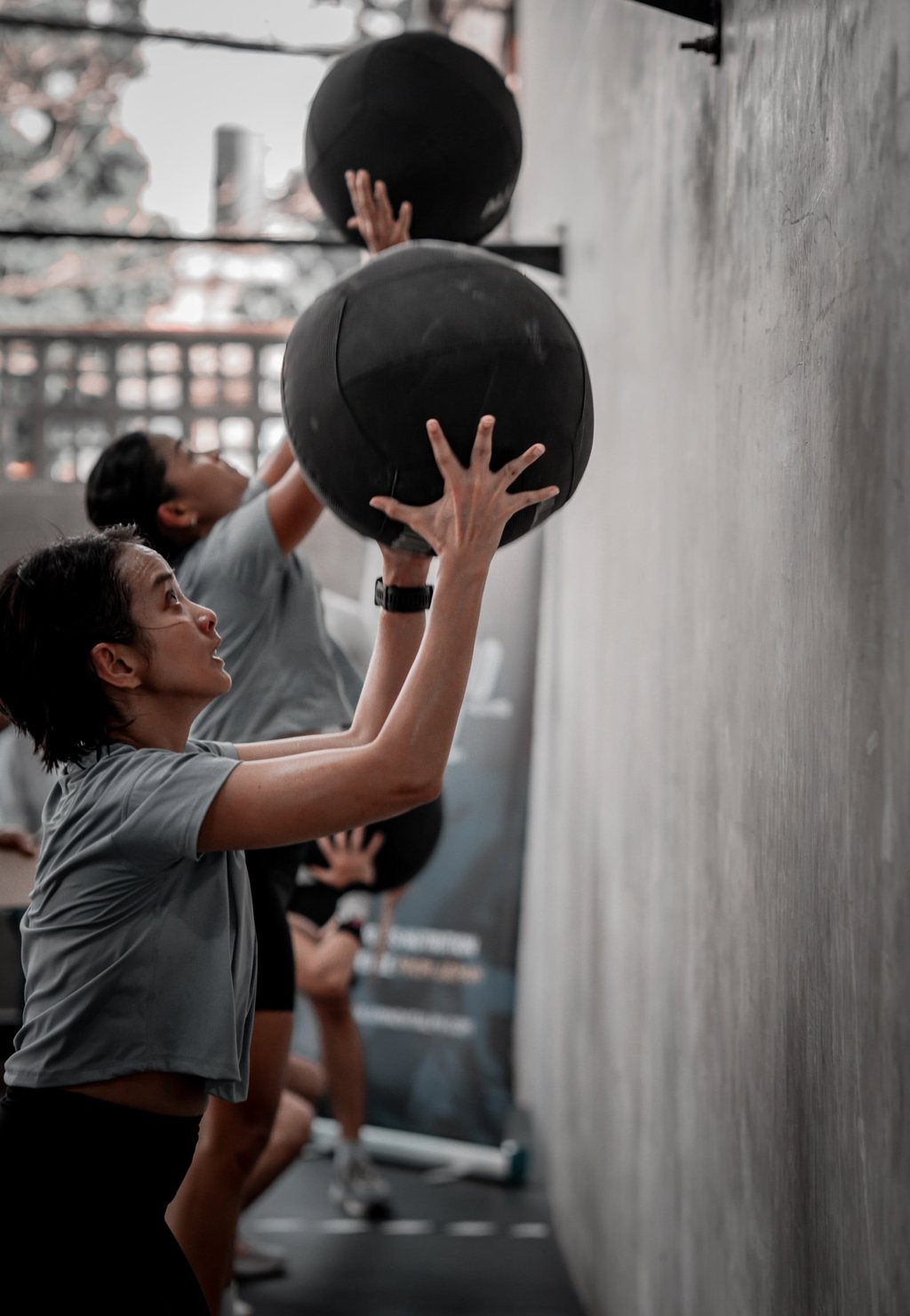 Practising wall balls. Photo: Gayatri Bhaumik
The standard race format includes eight functional workout stations – movements such as sled pushes, wall balls, rowing and lunges, all of which are standard in gyms and training centres across Asia – interspersed with one-kilometre runs. Participants don’t generally need to learn new skills, and know exactly what to expect regardless of location. This familiarity eases the transition from training to competition, while also reducing any potential intimidation.
Still, athletes in Asia face some unique challenges to their training. In cities like Hong Kong, Singapore or Shanghai, crowded streets, heat and the location of gyms in high-rise buildings can make it tough to combine running seamlessly with gym work, as would be required to simulate a Hyrox race. “You have to be creative with training,” Yeung quips.
Partnering for greater goals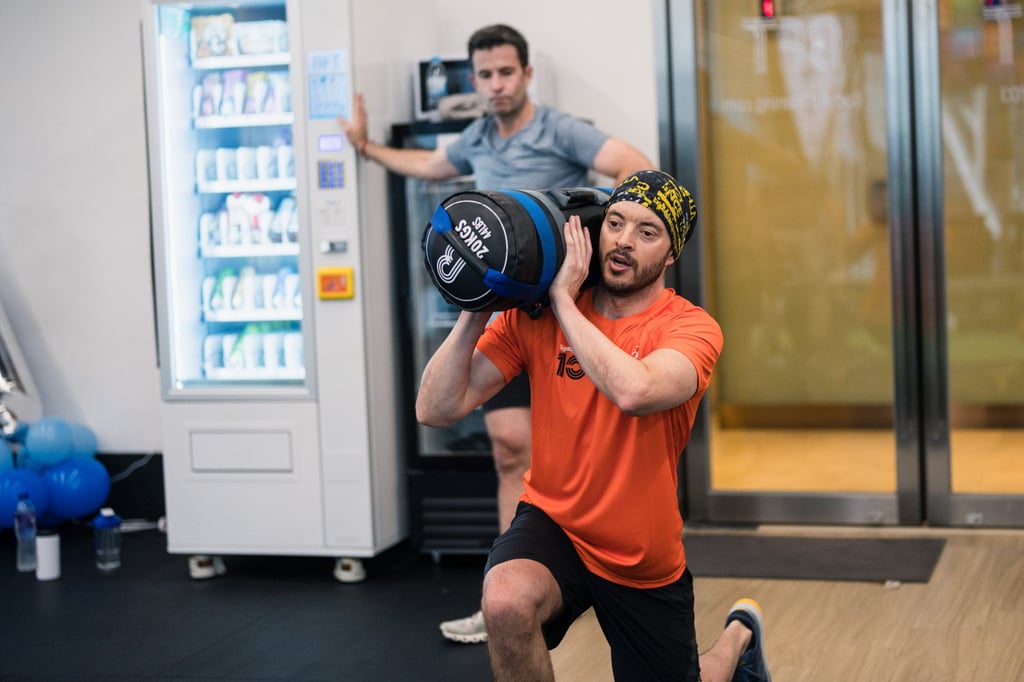 A Hyrox trainer practising weighted lunges at BFT Fitness. Photo: Handout
From a business perspective, partnering with the right facilities and brands has also fuelled Hyrox’s massive growth in Asia. Building a grassroots community through the Hyrox Training Club ecosystem has been “central to the sport’s expansion”, says Wan.
For first-timers, finding the right gym or club for training is a major priority when they sign up for a race. Hyrox’s official training club partners simplify the process, giving them quick access to an existing community that can help them train to compete. Conversely, athletes already working out in Hyrox-affiliated gyms are drawn to sign up, as exposure to the brand encourages them to learn about the race and move towards targeted training.
“Our gym partners are the frontline of a cultural shift in fitness,” says Wan. “Our ever-growing network of over 1,800 official Hyrox Training Clubs serves as the vital entry point where everyday gym-goers evolve into athletes.” Yeung agrees that word of mouth and increased awareness through gyms are driving Hyrox participation in Asia, explaining that many of her clients were “seeing Hyrox everywhere – online, or through friends – and they just wanted to try it”.
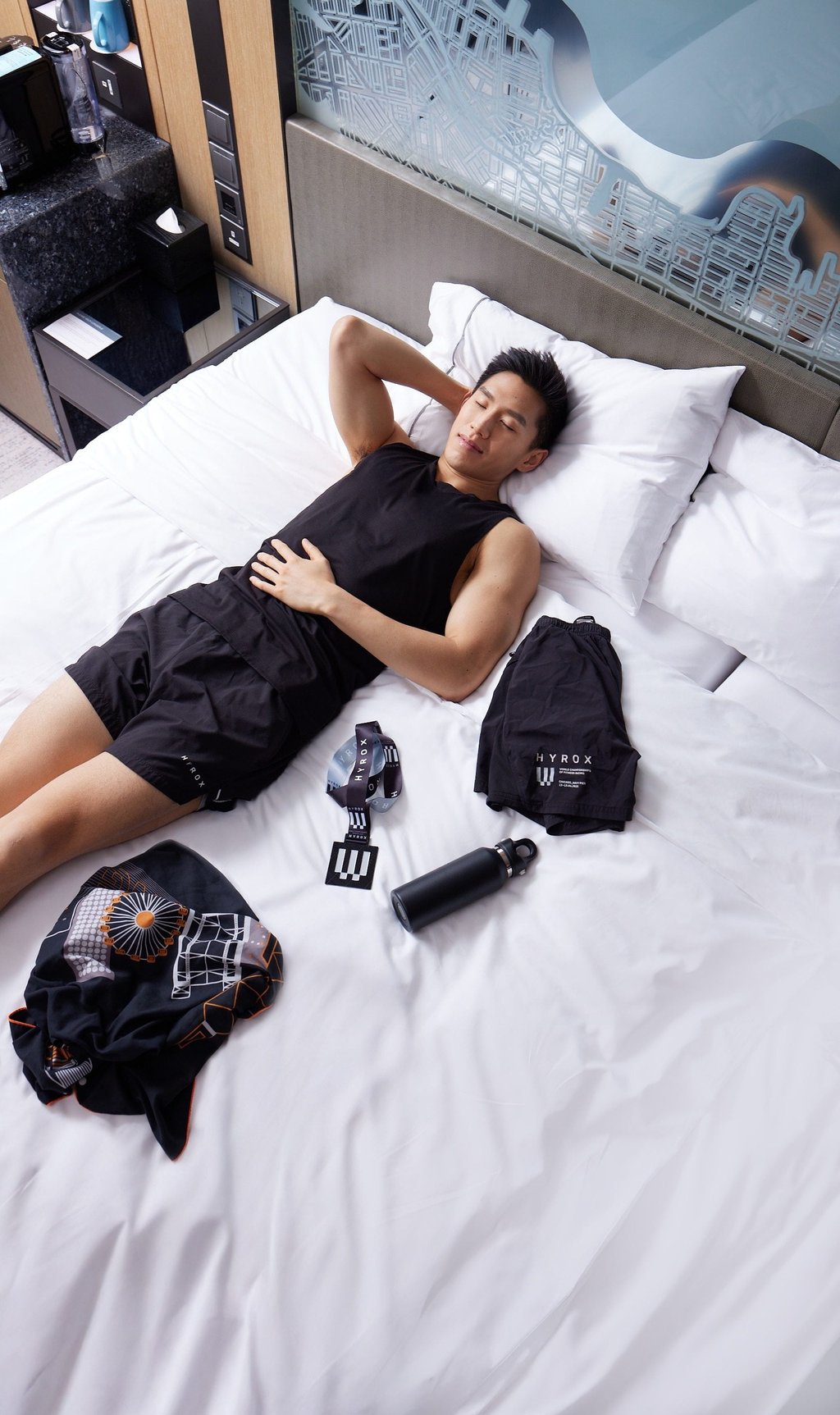 Building on the race’s momentum across the region, major brands like Hyatt are partnering with Hyrox. Photo: Handout
As Hyrox maintains its trajectory across Asia, brands are leaning into strategic collaborations that signal a shift toward long-term investment in the fitness racing community. Late last year, Hyatt announced that it would become the official hotel partner for Hyrox Asia-Pacific. Through this partnership, athletes in Asia can stay at Hyatt hotels with tailored packages designed to support their race. Along with discounted room rates and dining offers, participants also enjoy specialised amenities to aid race preparation and recovery, as well as curated destination guides.
“We are hosting more races across Asia and are increasingly seeing participants shape their holidays around Hyrox events,” say Wan. “These partnerships help us improve the experience for racers beyond the race, allowing everyone to travel seamlessly to and from cities, placing both Hyrox and our brands at the intersection of fitness, community and mobility.”
AloJapan.com